The Beginner’s Guide to Thermostats in HVAC

In the intricate world of home heating, ventilation, and air conditioning (HVAC) systems, the thermostat is often the unsung hero. While the furnace or air conditioner may grab all the attention, the thermostat is the critical interface that ensures your home stays at a comfortable temperature year-round. Whether you’re a new homeowner, a first-time HVAC system user, or just looking to understand how your thermostat functions within your HVAC system, this guide will provide you with a comprehensive overview. By the end of this article, you’ll have a better grasp of how thermostats work, why they’re important, and how you can use them effectively to optimize both comfort and energy savings.
What Is a Thermostat?
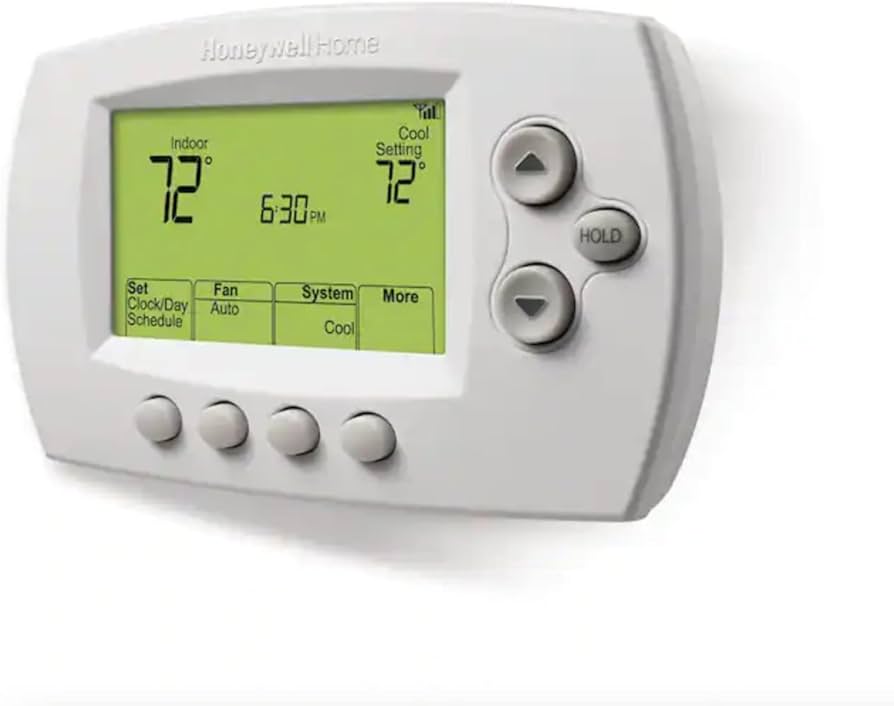
A thermostat is a device that controls the temperature within a building. It works by sensing the temperature of the surrounding air and then signaling your HVAC system to either heat or cool the space to the desired setting. Essentially, it is the brain of the HVAC system, making sure the system operates efficiently and maintains your preferred indoor climate.
The basic principle behind a thermostat is quite simple: when the temperature deviates from the preset level, the thermostat prompts the HVAC system to kick in and adjust the temperature until it reaches the set point again. While that might sound straightforward, there are various types of thermostats with differing capabilities, ranging from simple manual devices to complex smart thermostats. Let’s explore these in more detail.
Types of Thermostats
1. Manual Thermostats (Non-Programmable)
The most basic type of thermostat is the manual, non-programmable model. These thermostats typically allow you to set the temperature manually, and once you adjust the settings, they will maintain that temperature until you change it again. Though they are inexpensive and easy to use, manual thermostats lack the convenience of modern features like scheduling or remote control. Their primary advantage is simplicity, which works well in homes where the heating and cooling needs are relatively constant throughout the day.
2. Programmable Thermostats
Programmable thermostats offer a step up in terms of convenience and efficiency. These models allow you to set a schedule, meaning the thermostat can automatically adjust the temperature based on your daily routine. For example, you could program it to lower the temperature while you’re at work during the day and then raise it again shortly before you return home. This can save energy by preventing the HVAC system from running when it’s not needed, leading to reduced utility bills.
The main advantage of programmable thermostats is that they offer automated control without requiring constant manual adjustments. Many models allow you to set multiple daily programs, such as different temperatures for mornings, evenings, and weekends.
3. Smart Thermostats
Smart thermostats represent the latest in thermostat technology, combining convenience with cutting-edge features. These thermostats can connect to your Wi-Fi network, allowing you to control them remotely via a smartphone app, voice assistant, or even through smart home systems like Amazon Alexa or Google Assistant. In addition to basic programming features, smart thermostats can learn your habits and make adjustments on their own to maximize comfort and energy efficiency. For example, a smart thermostat might recognize when you tend to leave for work and automatically adjust the temperature to save energy while you’re gone.
Many smart thermostats offer energy reports that show how much energy you’ve used and provide tips for savings. They can also integrate with other smart devices in your home, such as lighting and security systems, creating a truly connected home environment.
4. Zoning Thermostats
In larger homes, zoning thermostats can be especially beneficial. These systems divide your home into multiple temperature zones, allowing you to control the temperature in different areas independently. This is achieved through a combination of additional thermostats and motorized dampers installed within your ductwork. Zoning thermostats are ideal for homes with multiple floors or rooms that have varying heating and cooling needs, as they allow for personalized temperature control, improving comfort and reducing energy waste.
How Does a Thermostat Work?
The operation of a thermostat may seem deceptively simple, but it involves several sophisticated components working together to maintain your desired temperature. Here’s an overview of how a thermostat functions:
-
Sensing the Temperature: The thermostat is equipped with a temperature sensor that detects the current temperature of the room or area where it is installed. Some advanced models use multiple sensors to capture more accurate readings.
-
Comparing the Current Temperature to the Setpoint: Once the thermostat senses the room’s temperature, it compares it to the temperature you’ve set on the device. If the room’s temperature is too high or too low, the thermostat will send a signal to your HVAC system to either heat or cool the space.
-
Activating the HVAC System: Based on the signal, the thermostat will prompt the HVAC system to either turn on or off. If the temperature is below the set point and you have the heating mode activated, the thermostat will instruct your furnace or heat pump to start running. Conversely, if the temperature is above the set point and cooling is required, it will trigger your air conditioner.
-
Maintaining the Temperature: The thermostat continuously monitors the temperature and makes adjustments as needed. Once the desired temperature is achieved, the system will turn off to conserve energy. When the temperature starts to deviate again, the thermostat will reactivate the HVAC system.
Why Your HVAC Strategy Needs a Thermostat
A thermostat is integral to your HVAC system because it helps regulate your indoor environment with efficiency and precision. Without a thermostat, your heating and cooling system would run continually, leading to wasted energy, higher utility bills, and an uncomfortable living environment.
1. Energy Savings
The most immediate benefit of a thermostat is its ability to save energy. Programmable and smart thermostats allow you to control when your HVAC system is on and off, reducing energy usage during times when heating or cooling isn’t necessary. According to the U.S. Department of Energy, using a programmable thermostat can save you as much as 10% per year on heating and cooling costs. By reducing the load on your HVAC system during off-peak hours, you can avoid excessive energy consumption.
2. Increased Comfort
Maintaining a consistent temperature in your home is key to comfort, and a thermostat helps achieve that by regulating the system’s operation. Smart thermostats, in particular, take this a step further by adjusting the temperature based on your schedule and preferences. For example, they can automatically lower the temperature when you’re asleep and raise it before you wake up, ensuring a comfortable environment at all times.
3. Extended HVAC Lifespan
A well-functioning thermostat helps reduce wear and tear on your HVAC system by ensuring that it operates only when needed. When a thermostat is properly calibrated and used effectively, it can help your HVAC system run more efficiently, reducing the likelihood of breakdowns or the need for costly repairs.
4. Control and Flexibility
With a smart thermostat, you gain more control over your home’s climate, even when you’re away. Whether you’re at work, on vacation, or simply out for the day, you can adjust the temperature remotely via a smartphone app. This level of flexibility not only helps conserve energy but also gives you the ability to create the ideal environment in your home no matter where you are.
Tips for Choosing the Right Thermostat
When selecting a thermostat for your home, there are a few key considerations to keep in mind:
-
Compatibility: Ensure that the thermostat you choose is compatible with your HVAC system. For instance, some thermostats are designed specifically for heating-only or cooling-only systems, while others work with both.
-
Budget: While smart thermostats offer many advanced features, they may come at a higher price. Consider your budget and whether you need advanced features or if a basic programmable model would suffice.
-
Ease of Use: Choose a thermostat that fits your lifestyle and level of technical comfort. Some models come with touch screens, while others have physical buttons. Consider the interface and whether it is intuitive for you to use.
-
Smart Features: If you’re looking for convenience, smart thermostats are an excellent choice. Look for features like remote access, learning capabilities, and integration with other smart devices in your home.
Conclusion
Incorporating a thermostat into your HVAC strategy is essential for achieving an efficient, comfortable, and cost-effective home environment. From basic models to advanced smart thermostats, there are plenty of options to meet your needs and budget. By understanding how thermostats work and the different types available, you can make an informed decision on how best to regulate the temperature in your home. Ultimately, a good thermostat ensures that your HVAC system works smarter, not harder, helping you save energy, money, and maintain a comfortable living space year-round.