Importance of Waterproofing in Residential Roofing Systems
Introduction
Residential roofing systems are constantly exposed to weather fluctuations, moisture intrusion, temperature shifts, and environmental pollutants. Without proper waterproofing, even well-constructed roofs can gradually deteriorate, leading to structural damage and costly repairs. Waterproofing is not simply an optional upgrade. It is a protective strategy that strengthens the roof’s durability, improves indoor comfort, and safeguards the entire home structure over time.
This article explains why waterproofing plays a central role in residential roofing performance and how it contributes to long-term protection and value.
Property owners searching for roof replacement Calgary services may be considering an upgrade because of aging materials, extensive damage, or recurring roofing problems. A professional inspection can determine whether replacement is appropriate. Roofing specialists can also explain available materials, preparation requirements, installation considerations, and maintenance practices to help homeowners plan the project effectively.
What Is Roof Waterproofing
Roof waterproofing refers to the process of applying protective materials or systems that prevent water penetration into roofing layers. These materials create a barrier against rainwater, humidity, and seepage that could otherwise weaken structural components.
Common waterproofing approaches include
- Liquid waterproof coatings
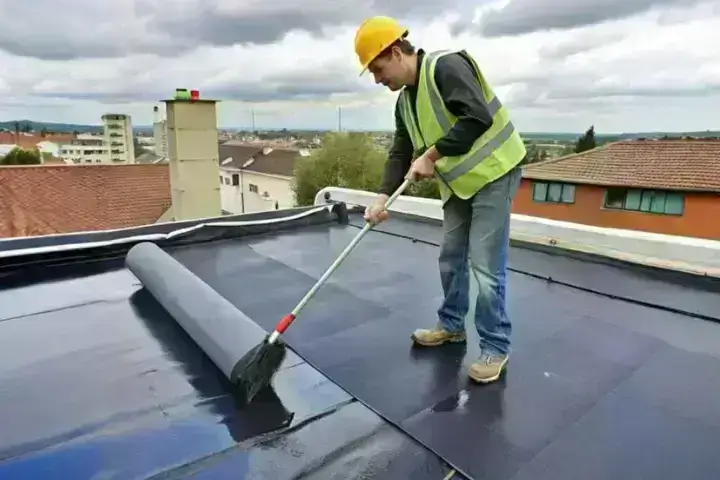
- Bituminous membranes
- Polyurethane waterproof layers
- Cementitious waterproof coatings
- Elastomeric roof sealants
Each method is selected based on roof type, climate conditions, and expected exposure levels.
Why Waterproofing Is Essential for Residential Roofs
Protects Structural Integrity
Water infiltration weakens roof decks, beams, insulation layers, and ceiling surfaces. Over time, repeated exposure leads to cracks, corrosion, and material fatigue. Waterproofing prevents moisture from reaching these critical components, helping the structure maintain strength and stability.
Prevents Leakage and Interior Damage
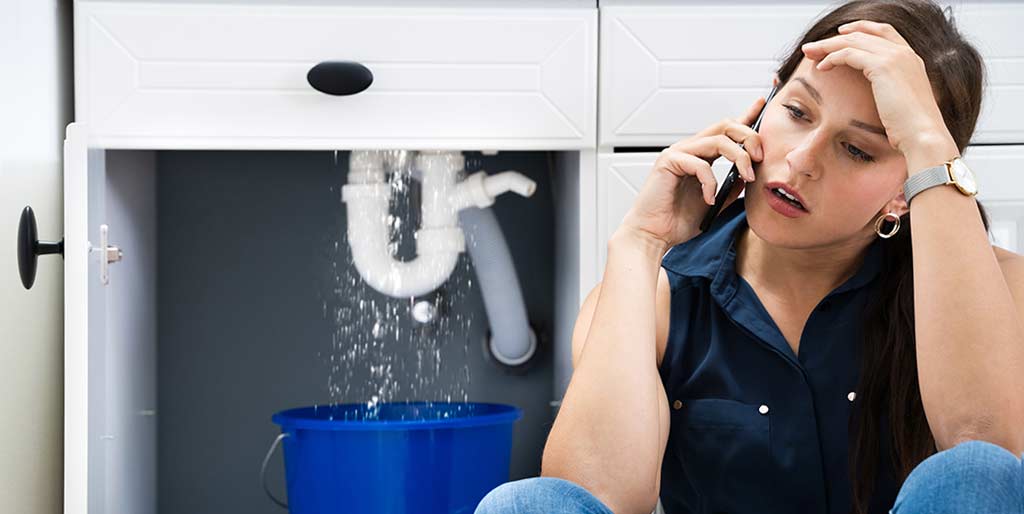
Roof leakage can damage ceilings, walls, electrical systems, and furniture. Waterproofing creates a continuous barrier that blocks water entry and minimizes the risk of unexpected indoor deterioration.
Extends Roof Lifespan
Roofing systems exposed to moisture without protection age faster. Waterproof coatings reduce wear caused by rain, sunlight, and temperature variation, allowing roofing materials to perform effectively for a longer duration.
Improves Energy Efficiency
Waterproofing materials often reflect heat and reduce thermal absorption. This helps regulate indoor temperatures and decreases reliance on cooling systems, particularly in warm climates.
Prevents Mold and Mildew Formation
Moist environments encourage mold growth, which affects indoor air quality and can create health concerns. Waterproof roofing prevents moisture accumulation that supports fungal development.
Common Causes of Roof Water Damage
Understanding the causes of roof leakage highlights the importance of waterproof protection.
Major contributing factors include
- Cracks in roof surfaces
- Improver sealing at joints
- Poor drainage systems
- Aging roofing materials
- Expansion and contraction due to temperature changes
- Improper installation during construction
Timely waterproofing helps eliminate these risks before they become serious structural concerns.
Types of Waterproofing Solutions for Residential Roofing
Liquid Waterproof Coatings
Liquid coatings form seamless protective layers that adapt to roof shapes and cover minor surface irregularities effectively. They are commonly used for terraces and flat roofs.
Bituminous Membrane Waterproofing
Bituminous membranes provide strong resistance against water penetration and are widely used for long-term protection in both flat and sloped roofs.
Polyurethane Waterproofing
Polyurethane coatings offer flexibility and excellent adhesion. They are suitable for roofs exposed to heavy rainfall and temperature fluctuations.
Cementitious Waterproofing
This method is widely used due to its easy application and compatibility with concrete roof structures.
Key Benefits of Roof Waterproofing
Proper waterproofing delivers multiple long-term advantages
- Enhances roof durability
- Reduces maintenance frequency
- Prevents structural weakening
- Improver indoor comfort levels
- Protects electrical systems from moisture exposure
- Increases overall property value
These benefits make waterproofing a cost-effective preventive investment rather than a reactive repair solution.
Signs Your Roof Needs Waterproofing
Homeowners should monitor early warning indicators that signal waterproofing requirements
- Damp patches on ceilings
- Peeling interior paint
- Musty odors indoors
- Water stains near corners
- Cracked terrace surfaces
- Visible roof seepage after rainfall
Addressing these signs early helps avoid extensive repair costs later.
Best Time to Apply Roof Waterproofing
Waterproofing is most effective when applied
- During initial construction
- Before monsoon seasons
- After detecting minor surface cracks
- During roof renovation projects
Early treatment ensures stronger bonding and longer protection performance.
How Waterproofing Enhances Property Value
A well-protected roofing system improves the long-term reliability of a home. Buyers often consider roof condition before purchasing property. Waterproofing assures potential buyers that the structure has been properly maintained and safeguarded against moisture-related risks.
Homes with durable roofing systems typically require fewer repairs and attract higher market confidence.
Maintenance Tips After Waterproofing
To maximize the effectiveness of waterproofing treatments
- Inspect roof surfaces periodically
- Keep drainage outlets clear
- Remove debris accumulation
- Repair minor cracks immediately
- Schedule professional inspections annually
Routine monitoring ensures continued protection and performance.
Frequently Asked Questions
How long does residential roof waterproofing typically last
Most waterproofing systems last between five and fifteen years depending on material quality, climate conditions, and maintenance practices.
Can waterproofing be applied over an existing roof surface
Yes. Many waterproofing solutions are designed for application over existing roofs after proper surface preparation and cleaning.
Is waterproofing suitable for both flat and sloped roofs
Different waterproofing systems are available for both roof types. The selection depends on slope angle, material compatibility, and exposure conditions.
Does waterproofing reduce roof repair costs over time
Yes. Preventing water damage significantly reduces long-term repair and maintenance expenses.
Can waterproofing help during heavy rainfall seasons
Waterproof coatings provide strong resistance against intense rainfall by preventing seepage and surface penetration.
Is professional installation necessary for roof waterproofing
Professional installation ensures correct material selection, proper application thickness, and long-term performance reliability.
How often should residential roofs be inspected after waterproofing
Roofs should be inspected at least once a year and after major weather events to maintain protective effectiveness.