

Homeownership is a continuous journey of improvement, maintenance, and strategic upgrades. While it’s easy to get lost in the aesthetic appeal of a home, the real value lies in its functionality, efficiency, and sustainability. One of the most effective ways to enhance both the comfort and value of your home is by focusing on maintenance and energy-saving measures. A well-maintained home is not only more comfortable but also more cost-effective in the long run, reducing energy consumption and promoting a healthier, more sustainable living environment.
In this article, we will explore how regular maintenance combined with energy-saving strategies can dramatically improve your home. By adopting a proactive approach, homeowners can increase the lifespan of their systems, reduce environmental impact, and lower utility bills. From the basics of home upkeep to more advanced energy-saving techniques, there are numerous strategies that can help you enhance your living space while saving both money and resources.
The Role of Home Maintenance in Improving Efficiency
Before diving into energy-saving measures, it’s crucial to understand the importance of maintenance. Proper maintenance prevents small issues from escalating into major, costly repairs. By performing regular upkeep on your home’s systems—whether that be plumbing, electrical, or HVAC—you ensure they run at peak efficiency, saving both time and money.
HVAC Maintenance: The Heart of Energy Savings
Your HVAC (Heating, Ventilation, and Air Conditioning) system is one of the largest consumers of energy in your home. Regular maintenance of your HVAC system is essential to ensure it is working efficiently, thereby reducing unnecessary energy consumption. Simple tasks such as cleaning or replacing air filters can significantly improve the system’s efficiency. Clogged filters restrict airflow, forcing the system to work harder and use more energy.
In addition to filter replacement, scheduling annual professional HVAC inspections is crucial. A technician can check the refrigerant levels, clean the coils, and verify that the system is functioning optimally. These small maintenance tasks ensure that your heating and cooling systems don’t waste energy and run as efficiently as possible.
Plumbing Maintenance: Leak Detection and Prevention
Another often-overlooked aspect of home maintenance is plumbing. Leaky pipes, faucets, or running toilets can lead to significant water wastage. Over time, this not only increases your water bills but also puts unnecessary strain on your home’s plumbing system. Regular plumbing maintenance can help you detect and resolve leaks early, preventing them from developing into more severe problems like mold growth or water damage.
Insulating pipes, especially those in unheated spaces like attics and basements, can also reduce the need for extra heating. Frozen pipes are a common winter issue, but with a little foresight and insulation, you can avoid this problem entirely. By taking the time to maintain your plumbing system, you ensure that water flows efficiently, and the home’s overall energy footprint is minimized.
Roof and Exterior Maintenance: Insulation and Efficiency
The roof is one of the most essential components of a home’s energy efficiency. Poor insulation or a damaged roof can lead to significant energy loss, especially in extreme weather. Regular roof maintenance is necessary to identify and fix any issues that could allow heat to escape in the winter or cool air to escape in the summer. Ensure that your attic is well-insulated and that the roof is free of leaks, cracks, or debris that could hinder insulation.
Additionally, don’t overlook the importance of properly sealed windows and doors. Air leaks around windows or under doors allow warm or cool air to escape, forcing your HVAC system to work harder to maintain the desired temperature. Regularly checking and replacing weatherstripping and sealing gaps around windows will go a long way in improving your home’s energy efficiency.
Energy-Saving Tips for Long-Term Home Improvement
Once the basics of maintenance are covered, it’s time to turn attention to specific energy-saving measures. Implementing these strategies can reduce your home’s energy consumption, lower utility bills, and minimize its environmental impact. Some energy-saving solutions are easy to implement, while others require a more significant investment.
Upgrade to Energy-Efficient Appliances
One of the most direct ways to reduce your home’s energy usage is to upgrade to energy-efficient appliances. From refrigerators and dishwashers to washing machines and dryers, modern appliances are designed with energy savings in mind. Look for appliances with the Energy Star label, which indicates that the product meets stringent energy efficiency guidelines set by the U.S. Environmental Protection Agency.
Although energy-efficient appliances may come with a higher initial cost, they often pay for themselves over time by reducing energy consumption. For instance, Energy Star-rated refrigerators use less electricity, while energy-efficient washing machines use less water, both contributing to long-term savings.
Use Programmable and Smart Thermostats
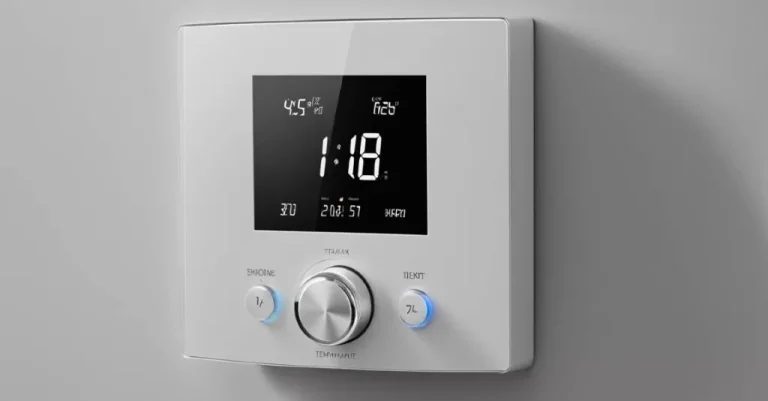
A programmable or smart thermostat is an invaluable tool for saving energy. Unlike traditional thermostats, which require manual adjustments, a smart thermostat learns your habits and adjusts the temperature in your home automatically. For example, it can lower the temperature when you’re not home and increase it just before you return, ensuring that you’re not wasting energy on heating or cooling an empty house.
In addition to controlling temperature, smart thermostats allow you to adjust settings remotely via a smartphone app, giving you control over your home’s environment from anywhere. Some models even use motion sensors or geofencing technology to detect when you’re approaching your home, adjusting the temperature accordingly for optimal comfort and energy efficiency.
Insulate Your Home
Proper insulation is a cornerstone of energy efficiency. Without adequate insulation, your home is likely to lose a significant amount of heat during the winter and cool air during the summer, leading to higher energy bills. Insulating key areas like the attic, walls, floors, and basement can significantly improve your home’s energy performance.
If you live in a colder climate, consider adding extra insulation to prevent heat loss in the winter. On the other hand, if you live in a warmer climate, ensure your home is adequately insulated to keep it cooler and reduce the need for air conditioning. Proper insulation reduces the workload on your HVAC system and helps maintain a comfortable, consistent temperature inside your home.
Seal Gaps and Leaks
A common source of energy loss is air leaks. Gaps and cracks around windows, doors, and even outlets allow warm or cool air to escape, forcing your HVAC system to work overtime. Sealing these gaps with caulk or weatherstripping is an inexpensive and easy way to boost energy efficiency. Don’t forget to check the areas around electrical outlets, ducts, and vents, as these can also be sources of air leakage.
A professional energy audit can help identify the most critical areas in need of sealing. Many utility companies offer free or low-cost energy audits that can pinpoint leaks and suggest solutions to improve your home’s efficiency.
Install Solar Panels
For those looking to make a more substantial investment in energy savings, solar panels offer a long-term solution. Installing solar panels on your roof can generate clean, renewable energy, reducing your reliance on the local grid. Over time, the savings on your electricity bills can outweigh the initial installation costs, especially if you qualify for tax incentives or rebates.
Solar panels are an excellent way to future-proof your home and contribute to a more sustainable world. While the upfront costs can be significant, the financial and environmental benefits in the long term are well worth considering.
Utilize Energy-Efficient Lighting
Switching to LED bulbs is one of the simplest ways to save energy in your home. LED bulbs use significantly less electricity than traditional incandescent bulbs and last much longer. This small change can lead to noticeable reductions in your energy consumption, especially when you replace multiple bulbs in high-traffic areas like kitchens and living rooms.
Consider installing motion-sensing lights in rooms or hallways that are infrequently used. This will ensure that lights are only on when needed, further reducing unnecessary energy consumption.
The Long-Term Benefits of Maintenance and Energy Saving
When you combine regular home maintenance with energy-saving strategies, the result is a more comfortable, cost-effective, and sustainable home. Maintaining the essential systems in your home, such as HVAC, plumbing, and roofing, reduces the likelihood of expensive repairs and ensures your home is functioning at its best. By making energy-saving improvements, you can lower your utility bills, reduce your environmental footprint, and increase the overall value of your property.
In a world where energy costs continue to rise, making smart choices about home maintenance and energy efficiency is more important than ever. Whether you’re upgrading to energy-efficient appliances, sealing leaks, or installing solar panels, each step you take brings you closer to a more sustainable and cost-effective living environment.
By focusing on both the immediate needs of maintenance and the long-term benefits of energy savings, homeowners can create a home that is not only more comfortable but also better for the planet and the wallet. With the right strategies in place, the path to a greener, more efficient home is both achievable and rewarding.
You May Also Like

Long-Term Financial Benefits ...
24 November 2025

How HVAC Choices Impact Util ...
20 November 2025
Why Your HVAC Strategy Needs ...
08 April 2025
Popular Post


Recent Posts
- How PV Panel Installation Can Reduce Your Energy Costs September 12, 2026
- The Importance of Labeling Boxes During a Move August 5, 2026
- Importance of Property Verification Before Final Purchase March 10, 2026
- How to Label Boxes Efficiently While Moving February 27, 2026
- Emergency Plumbing Situations That Require Immediate Professional Help February 25, 2026
Categories
- Cleaning & Maintenance (8)
- Flooring (4)
- Gardening & Outdoor (9)
- Home Decor (8)
- Home Improvement (7)
- HVAC (7)
- Interior Design (4)
- Moving (9)
- Pest Control (1)
- Plumbing (8)
- Real Estate & Property (8)
- Roofing (9)
- Smart Home (5)
- Solar (1)
Archives
- September 2026 (1)
- August 2026 (1)
- March 2026 (1)
- February 2026 (3)
- January 2026 (2)
- December 2025 (6)
- November 2025 (4)
- October 2025 (7)
- September 2025 (5)
- August 2025 (5)
- July 2025 (1)
- May 2025 (1)
- April 2025 (13)
- March 2025 (11)
- February 2025 (5)
- January 2025 (7)
- December 2024 (2)
- November 2024 (5)
- October 2024 (4)
- September 2024 (3)
- January 2024 (1)