
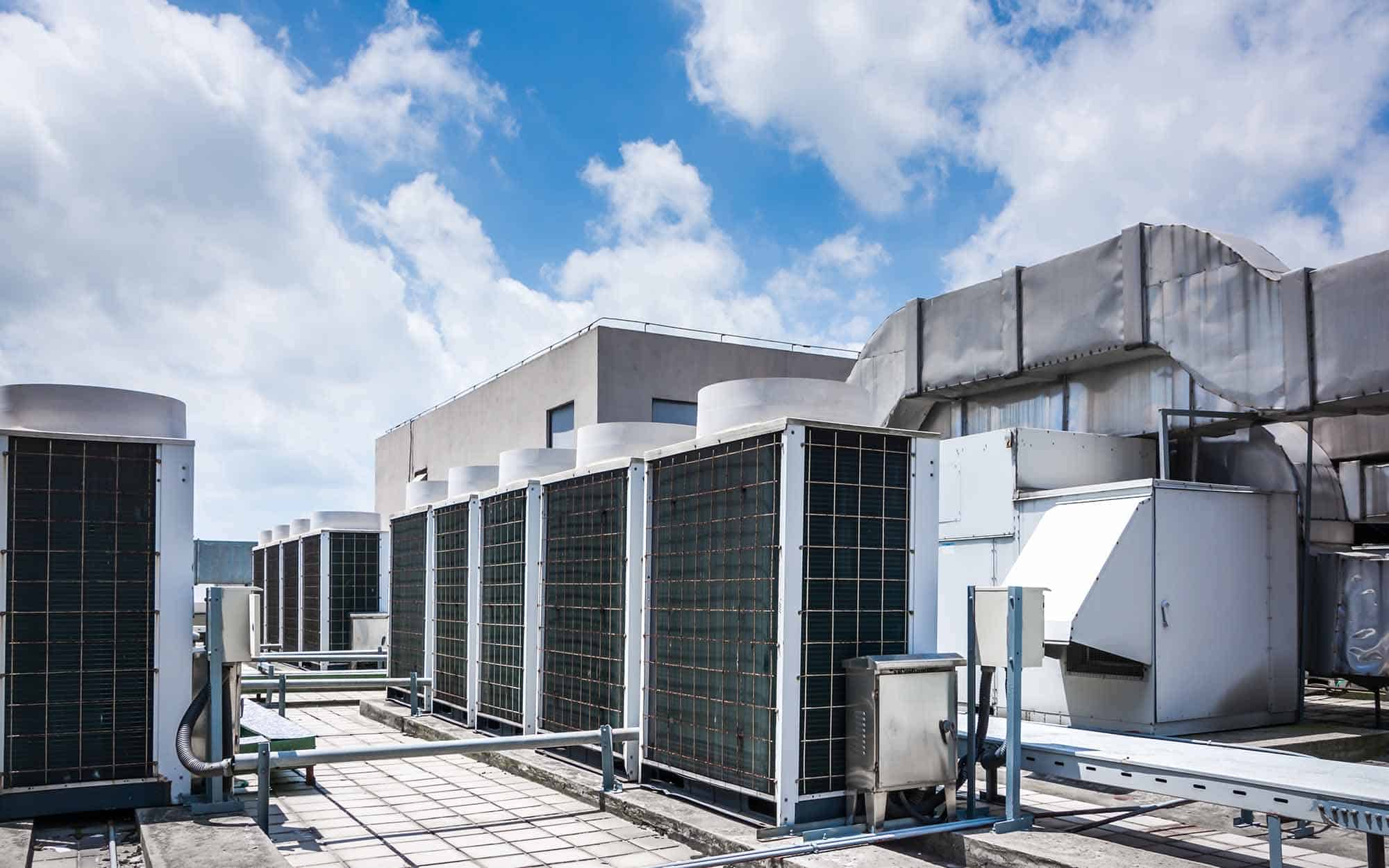
Efficient heating, ventilation, and air conditioning (HVAC) systems are no longer a luxury reserved for new constructions or high-end properties. They represent a strategic financial decision that delivers measurable returns over time. While the upfront cost may appear higher, the long-term savings and added value often outweigh the initial investment by a wide margin.
This article explores how efficient HVAC systems contribute to lasting financial advantages for homeowners and businesses alike.
Reduced Energy Costs Over Time
One of the most immediate and impactful benefits of an efficient HVAC system is lower monthly energy bills. Modern systems are designed to deliver optimal heating and cooling using significantly less energy than outdated units.
Key contributors to energy savings include:
-
High SEER and AFUE ratings that indicate superior efficiency
-
Variable-speed motors that adjust output based on demand
-
Improved airflow design that minimizes energy loss
Over the lifespan of the system, these reductions can translate into thousands of dollars saved on utility costs.
Lower Maintenance and Repair Expenses
Efficient HVAC systems are built with advanced components that experience less operational strain. This results in fewer breakdowns and reduced wear on critical parts.
Financial advantages of lower maintenance include:
-
Fewer emergency repair calls
-
Extended intervals between servicing
-
Reduced replacement of major components
Routine maintenance remains essential, but newer systems tend to be more predictable and less costly to maintain.
Extended System Lifespan
Older HVAC systems often operate at full capacity regardless of actual demand, accelerating wear and shortening their lifespan. In contrast, energy-efficient systems operate more intelligently.
Benefits of longer system life:
-
Delayed replacement costs
-
Better return on the initial investment
-
More years of consistent performance
A well-maintained efficient HVAC system can last 5–10 years longer than older, inefficient models.
Increased Property Value
Energy efficiency has become a major selling point in real estate markets. Properties equipped with modern HVAC systems often attract higher offers and sell faster.
Financial value drivers include:
-
Lower projected operating costs for buyers
-
Improved comfort and indoor air quality
-
Strong appeal to eco-conscious purchasers
An efficient HVAC upgrade is frequently viewed as a capital improvement, not merely a mechanical replacement.
Eligibility for Rebates and Tax Incentives
Many regions offer financial incentives to encourage energy-efficient upgrades. These programs can significantly offset installation costs.
Common incentives include:
-
Utility company rebates
-
Government tax credits
-
Local energy-efficiency grants
Taking advantage of these programs shortens the payback period and increases overall return on investment.
Improved Energy Cost Predictability
Efficient HVAC systems deliver more consistent performance, reducing unexpected spikes in energy usage. This predictability is especially valuable for businesses managing operational budgets.
Stable energy consumption allows for:
-
Better long-term financial planning
-
Reduced exposure to rising energy prices
-
More accurate forecasting of operating expenses
Reduced Environmental Impact with Financial Upside
Lower energy consumption doesn’t just benefit the environment—it also protects against future regulatory costs and energy price volatility.
Financially relevant environmental benefits include:
-
Reduced carbon-related fees in regulated markets
-
Alignment with sustainability standards
-
Improved corporate or personal energy ratings
Efficiency today can prevent costly compliance challenges tomorrow.
Strong Return on Investment Over Time
When all factors are considered—energy savings, maintenance reduction, incentives, and property value—efficient HVAC systems often deliver a compelling long-term ROI.
The initial expense is typically recovered within several years, after which the system continues generating savings throughout its remaining lifespan.
Frequently Asked Questions (FAQs)
1. How long does it take to recover the cost of an efficient HVAC system?
Most homeowners recover their investment within 5 to 8 years, depending on energy usage, system size, and available incentives.
2. Are efficient HVAC systems suitable for older homes?
Yes. With proper ductwork evaluation and installation, efficient systems can significantly improve performance in older properties.
3. Do efficient HVAC systems require special maintenance?
They require standard maintenance, but advanced diagnostics often make servicing more precise and less frequent.
4. Can an efficient HVAC system reduce energy bills year-round?
Absolutely. Savings occur during both heating and cooling seasons, leading to consistent annual cost reductions.
5. Are smart thermostats necessary to achieve maximum efficiency?
While not mandatory, smart thermostats enhance efficiency by optimizing temperature control and reducing wasted energy.
6. Do commercial buildings benefit more than residential properties?
Commercial buildings often see greater absolute savings due to higher energy usage, though residential systems still deliver strong relative returns.
7. How does HVAC efficiency affect indoor comfort?
Efficient systems provide more consistent temperatures, improved humidity control, and quieter operation, enhancing overall comfort.
You May Also Like

How HVAC Choices Impact Util ...
20 November 2025

How to Improve Your Home wit ...
14 April 2025
Why Your HVAC Strategy Needs ...
08 April 2025


