
Heating, ventilation, and air conditioning systems quietly shape one of the largest recurring expenses in any home: utility bills. The type of HVAC system you choose, how it’s sized, and how efficiently it operates can mean the difference between manageable monthly costs and bills that keep climbing year after year. Understanding these factors empowers homeowners to make smarter, cost-conscious decisions without sacrificing comfort.
The Direct Connection Between HVAC Systems and Energy Use
HVAC systems account for a significant portion of household energy consumption. Heating and cooling often represent 40–50% of total utility costs, making system efficiency a top financial consideration.
When an HVAC unit runs inefficiently, it:
-
Uses more electricity or fuel to reach the desired temperature
-
Cycles on and off more frequently
-
Struggles to maintain consistent indoor comfort
These inefficiencies translate directly into higher monthly bills.
Energy Efficiency Ratings Matter More Than You Think
One of the most important indicators of HVAC performance is its efficiency rating.
Key ratings to understand include:
-
SEER (Seasonal Energy Efficiency Ratio): Measures cooling efficiency
-
AFUE (Annual Fuel Utilization Efficiency): Applies to furnaces
-
HSPF (Heating Seasonal Performance Factor): Used for heat pumps
A higher rating means the system delivers more heating or cooling for every unit of energy consumed. While high-efficiency systems may cost more upfront, they typically pay for themselves through long-term energy savings.
System Type and Its Cost Implications
Different HVAC systems consume energy in very different ways.
Common system types include:
-
Central air conditioners: Effective but energy-intensive if outdated
-
Heat pumps: Highly efficient, especially in moderate climates
-
Ductless mini-splits: Reduce energy loss and allow zoned control
-
Furnaces: Fuel type (gas, oil, electric) strongly affects operating costs
Choosing a system suited to your climate and home layout can dramatically reduce wasted energy.
Proper Sizing Prevents Energy Waste
An HVAC system that’s too large or too small can inflate utility bills.
Oversized systems:
-
Cycle on and off rapidly
-
Consume excess energy
-
Wear out components faster
Undersized systems:
-
Run continuously
-
Struggle to reach set temperatures
-
Increase electricity or fuel usage
A professional load calculation ensures the system matches your home’s square footage, insulation, and layout.
Smart Controls and Thermostats Lower Monthly Bills
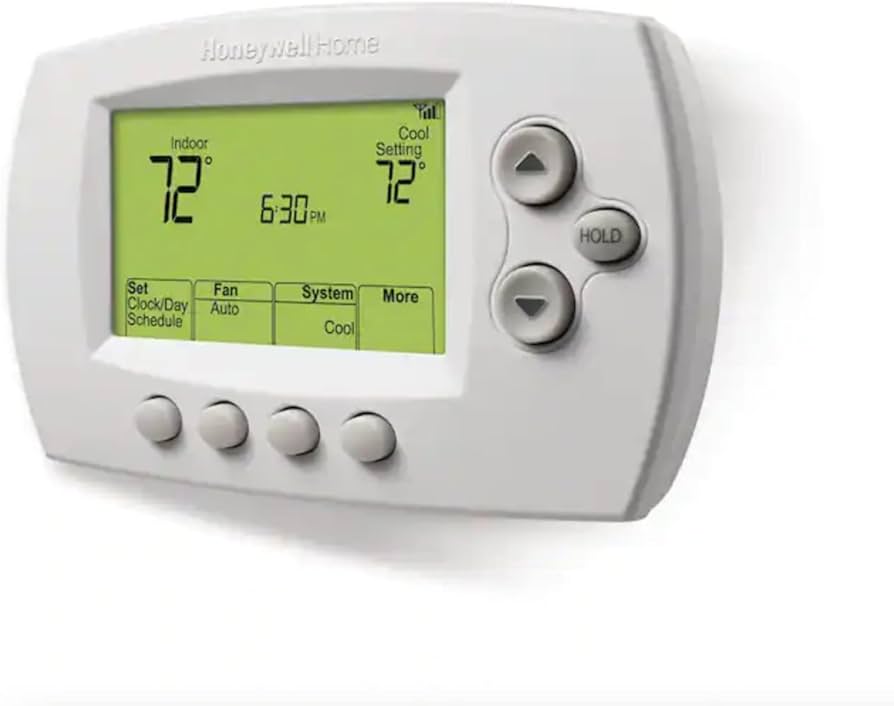
Modern HVAC systems paired with smart thermostats offer significant savings. These controls learn your habits, optimize run times, and adjust temperatures automatically.
Benefits include:
-
Reduced energy use during unoccupied hours
-
Better temperature consistency
-
Real-time energy monitoring
Even small adjustments, such as lowering heating by a few degrees at night, can add up to noticeable savings.
Maintenance Plays a Critical Role in Efficiency
Even the best HVAC system loses efficiency without regular care. Dirty filters, clogged coils, and worn components force systems to work harder.
Routine maintenance helps by:
-
Maintaining peak efficiency
-
Preventing sudden energy spikes
-
Extending system lifespan
A well-maintained system uses less energy to do the same job.
Ductwork and Insulation Affect HVAC Performance
Energy loss doesn’t always come from the HVAC unit itself. Leaky ducts and poor insulation can waste a significant portion of conditioned air.
Improving duct sealing and insulation:
-
Keeps heated or cooled air where it belongs
-
Reduces system runtime
-
Lowers overall energy demand
These upgrades often deliver quick returns on investment.
Long-Term Savings vs. Upfront Costs
While budget-friendly HVAC options may seem appealing, lower upfront prices often lead to higher long-term expenses. Energy-efficient systems reduce monthly bills, offsetting initial costs over time.
When evaluating HVAC choices, consider:
-
Expected lifespan
-
Annual energy consumption
-
Maintenance requirements
A system that costs more today may save thousands over its lifetime.
Environmental Impact and Utility Costs
Efficient HVAC systems don’t just lower bills—they also reduce environmental impact. Lower energy use means reduced demand on power grids and fewer emissions, which can also protect homeowners from future rate increases tied to energy shortages.
Frequently Asked Questions
How much can an energy-efficient HVAC system reduce utility bills?
High-efficiency systems can lower heating and cooling costs by 20–40%, depending on usage habits and system type.
Are heat pumps cheaper to operate than traditional furnaces?
In many climates, yes. Heat pumps transfer heat rather than generate it, making them more energy-efficient and cost-effective.
Does replacing an old HVAC unit really make a difference?
Older systems often operate at half the efficiency of modern models, leading to noticeably higher utility bills.
How often should HVAC maintenance be performed?
Professional maintenance is recommended once or twice per year to maintain efficiency and prevent costly energy waste.
Do smart thermostats actually save money?
Yes. Many homeowners see savings of 10–15% annually by optimizing temperature schedules automatically.
Can ductless systems lower utility bills?
Ductless mini-splits reduce energy loss from ducts and allow room-by-room control, often resulting in lower energy consumption.
Is HVAC efficiency important even in mild climates?
Absolutely. Even limited heating or cooling use adds up over time, and efficient systems reduce unnecessary energy consumption year-round.
You May Also Like

Long-Term Financial Benefits ...
24 November 2025

How to Improve Your Home wit ...
14 April 2025
Why Your HVAC Strategy Needs ...
08 April 2025


