
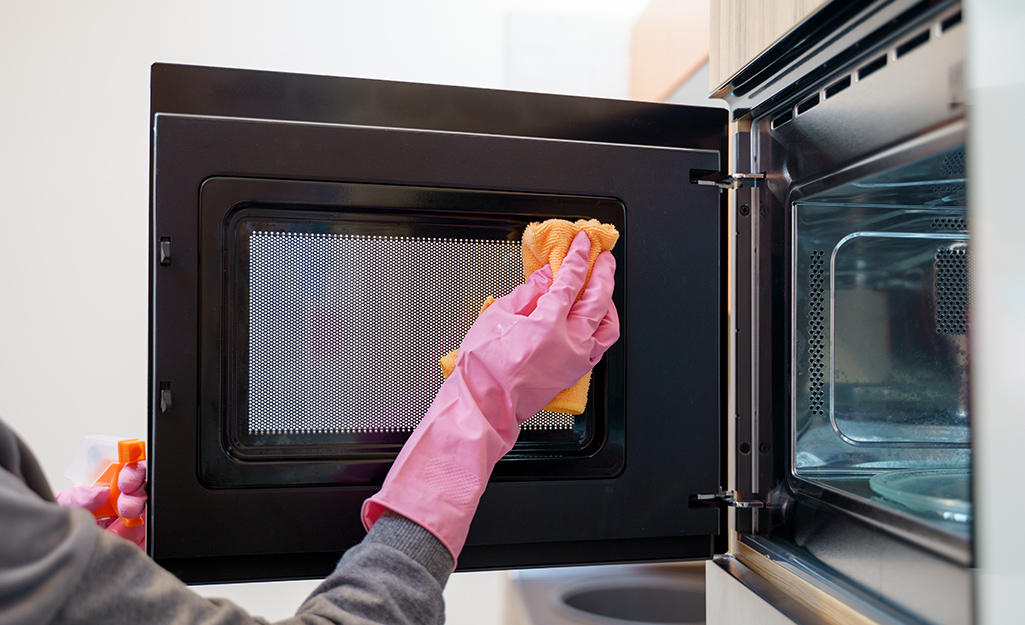
Keeping household appliances clean is essential not only for hygiene but also for performance, safety, and long-term durability. Modern appliances include advanced electronics, sensors, coatings, and smart features that require thoughtful care rather than aggressive cleaning methods. Using safe techniques helps prevent accidental damage while maintaining efficiency and extending product life.
Choosing an experienced servicio tecnico electrodomesticos barcelona ensures appliance problems are handled professionally and efficiently. Whether dealing with kitchen equipment or laundry appliances, expert technicians use proven repair methods to restore performance, minimize downtime, and help homeowners avoid the expense of premature replacements.
Why Safe Appliance Cleaning Matters
Improper cleaning can lead to electrical hazards, corrosion, reduced efficiency, and even permanent malfunction. Safe maintenance protects both the appliance and the household environment.
Key benefits include:
- Improved appliance lifespan
- Better energy efficiency
- Reduced risk of electrical faults
- Enhanced hygiene and indoor air quality
- Lower repair and replacement costs
Adopting the right approach ensures that delicate components remain protected during routine maintenance.
General Safety Rules Before Cleaning Any Appliance
Before cleaning any appliance, following universal precautions reduces risks significantly.
Always:
- Disconnect the appliance from power before cleaning
- Allow hot appliances to cool completely
- Avoid excessive water near electrical components
- Use soft microfiber cloths instead of abrasive materials
- Check manufacturer guidelines for specific cleaning instructions
Avoid using harsh chemicals unless they are specifically approved for appliance surfaces.
Safe Cleaning Practices for Refrigerators
Refrigerators require regular cleaning to prevent bacterial growth and odor buildup.
Follow these steps safely:
- Remove all food items before cleaning
- Take out removable shelves and wash with mild soap
- Clean interior surfaces using warm water and baking soda solution
- Wipe door seals gently to maintain flexibility
- Dry all surfaces before restoring power
Avoid spraying liquids directly inside the refrigerator, especially near vents or lighting units.
Safe Cleaning Practices for Washing Machines
Modern washing machines accumulate detergent residue, lint, and moisture that can cause odor and mold.
Safe cleaning methods include:
- Running an empty hot-water cycle with vinegar
- Cleaning detergent drawers separately
- Wiping the rubber gasket regularly
- Leaving the door open after washing for ventilation
Avoid using excessive bleach unless recommended by the manufacturer.
Safe Cleaning Practices for Microwave Ovens
Microwaves accumulate food splashes quickly, which may affect performance and hygiene.
Safe cleaning approach:
- Heat a bowl of water with lemon slices for steam cleaning
- Remove the turntable and wash separately
- Wipe interior walls using a soft cloth
- Clean vents gently without inserting sharp tools
Never operate a microwave while empty during cleaning procedures.
Safe Cleaning Practices for Dishwasher
Dishwashers require maintenance to prevent grease buildup and blocked spray arms.
Recommended cleaning steps:
- Remove and rinse the filter regularly
- Run a vinegar rinse cycle monthly
- Inspect spray arms for debris
- Clean door edges and seals carefully
Avoid using regular dish soap inside dishwashers, as it creates excessive foam.
Safe Cleaning Practices for Induction Cooktops and Electric Stoves
Modern cooktops often feature glass or ceramic surfaces that require gentle cleaning techniques.
Best practices include:
- Cleaning spills immediately after cooling
- Using non-abrasive cleaners designed for glass surfaces
- Avoiding steel scrubbers
- Using soft cloths for polishing
Harsh scrubbing may permanently scratch the surface.
Safe Cleaning Practices for Air Conditioners
Air conditioners collect dust that affects airflow and cooling performance.
Routine cleaning steps:
- Remove and wash air filters every two to four weeks
- Let filters dry completely before reinstalling
- Clean vents using a dry brush
- Schedule professional servicing annually
Never attempt to clean internal coils without proper training.
Safe Cleaning Practices for Smart Appliances
Smart appliances include sensors, touch panels, and connectivity modules that require extra care.
Important precautions:
- Avoid spraying liquids directly on touchscreens
- Use lightly damp microfiber cloths
- Keep moisture away from control panels
- Update firmware regularly for optimal performance
Electronic components are especially sensitive to water exposure.
Choosing Safe Cleaning Materials
Selecting the right cleaning materials protects appliance surfaces and internal systems.
Recommended options:
- Microfiber cloths
- Mild dish soap solution
- Baking soda paste for stains
- White vinegar for deodorizing
- Manufacturer-approved cleaners
Avoid:
- Steel wool
- Strong solvents
- Acidic cleaners on metal interiors
- Excessive moisture near wiring areas
Proper material selection prevents accidental surface damage.
Common Cleaning Mistakes to Avoid
Many appliance failures occur due to incorrect cleaning methods.
Avoid these mistakes:
- Cleaning while the appliance is plugged in
- Using excessive water
- Ignoring ventilation areas
- Mixing cleaning chemicals
- Scrubbing delicate surfaces aggressively
Careful handling ensures safe and effective maintenance.
FAQ Section
How often should household appliances be cleaned?
Most appliances benefit from light weekly cleaning and deeper monthly maintenance. Filters and seals should be checked more frequently depending on usage.
Is vinegar safe for cleaning all appliances?
Vinegar works well for many surfaces but should not be used on rubber components repeatedly or inside certain metallic interiors unless recommended.
Can I clean appliance control panels with wet cloths?
Control panels should only be cleaned with lightly damp microfiber cloths to prevent moisture entering electronic circuits.
Why do appliance door seals need regular cleaning?
Door seals collect dirt and moisture that may cause leakage, odor buildup, and reduced efficiency if not maintained.
Is it safe to use multipurpose cleaners on modern appliances?
Multipurpose cleaners may damage coatings or electronics. It is safer to use appliance-specific cleaning solutions.
Should air conditioner filters be cleaned or replaced?
Reusable filters should be cleaned regularly, while disposable filters must be replaced according to manufacturer instructions.
What is the safest way to remove stubborn stains from appliance surfaces?
A baking soda paste applied gently with a microfiber cloth removes stains safely without scratching most surfaces.
You May Also Like

Eco-Friendly Cleaning Hacks ...
09 December 2025
Rise of Non-Toxic Cleaning S ...
09 December 2025

Stain Removal vs. Maintenanc ...
07 April 2025


