
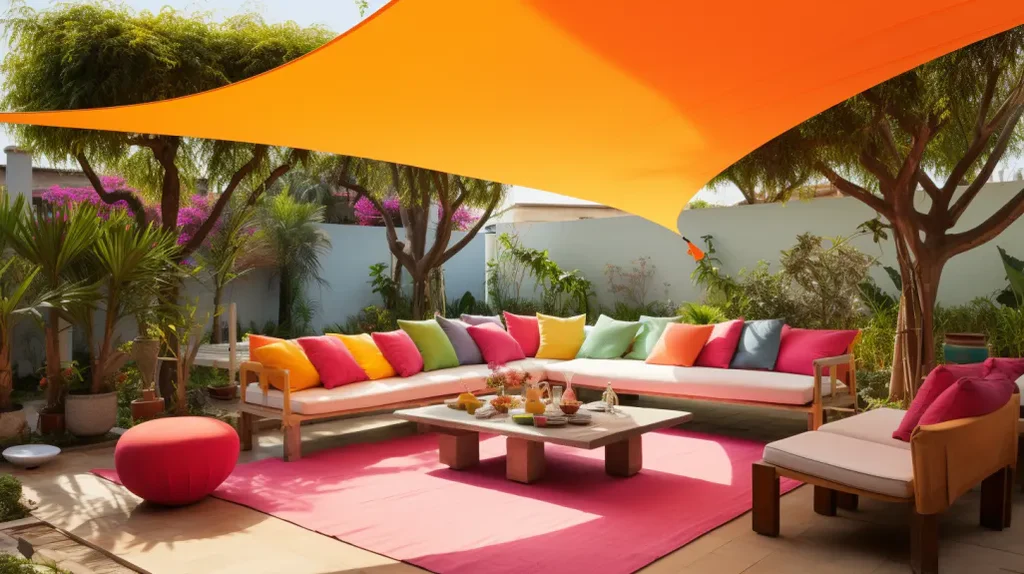
The modern outdoor living movement has revolutionised how homeowners approach their external spaces, turning forgotten gardens and patios into functional extensions of their homes. As more families recognise the value of outdoor entertaining and relaxation areas, the demand for practical solutions that provide comfort whilst maintaining aesthetic appeal continues to grow. Traditional shade structures often prove cumbersome, expensive, or unsuitable for contemporary architectural styles.
Shade sails have emerged as the innovative solution to this challenge, offering versatile coverage that adapts to various outdoor configurations whilst adding striking visual elements to residential spaces. These tensioned fabric structures provide effective sun protection without the bulk and complexity of conventional pergolas or gazebos, making them particularly appealing to homeowners who value both form and function in their outdoor designs.
The transformation potential of these fabric canopies extends far beyond simple sun protection, creating comfortable microclimates that encourage extended outdoor use throughout the day. Their installation can dramatically alter how families interact with their gardens, patios, and pool areas, turning previously unusable spaces into favourite gathering spots for entertaining and relaxation.
Design Versatility and Aesthetic Appeal
Modern outdoor shade solutions offer remarkable flexibility in terms of size, shape, and configuration. Triangular installations create dynamic geometric patterns that complement contemporary architecture, whilst rectangular designs provide maximum coverage for dining and entertainment areas. Multiple sail configurations allow homeowners to create complex shade patterns that follow the natural contours of their outdoor spaces.
Colour selection plays a crucial role in both functionality and visual impact. Neutral tones like charcoal, sand, and cream integrate seamlessly with existing architectural elements, whilst bold colours can create focal points that define outdoor rooms. The fabric choice also affects light filtration, with tighter weaves providing more complete sun protection and looser weaves creating dappled lighting effects.
The three-dimensional nature of tensioned fabric structures adds architectural interest that flat awnings cannot match. The gentle curves and flowing lines created by properly tensioned installations introduce organic elements that soften hard landscaping features and complement natural garden elements.
Practical Benefits for Outdoor Living
Sun protection represents the primary functional advantage, with quality fabrics blocking up to 98% of harmful UV radiation. This protection extends not only to people but also to outdoor furniture, preventing fading and deterioration that shortens the lifespan of expensive patio sets and cushions. The cooler environment created beneath these structures can reduce ambient temperatures by several degrees, making outdoor spaces comfortable even during peak summer heat.
Weather resistance varies significantly between different fabric types and installation methods. Marine-grade materials withstand harsh coastal conditions, whilst standard residential fabrics perform well in typical suburban environments. Proper installation with adequate drainage prevents water pooling that could damage both the fabric and supporting structures.
Maintenance requirements remain minimal compared to traditional shade structures. Most installations require only periodic cleaning with mild detergent and water, along with seasonal inspections of connection points and fabric condition. This low-maintenance characteristic appeals to busy homeowners who want attractive outdoor solutions without ongoing commitments.
Installation Considerations and Structural Requirements
Successful installations require careful planning regarding attachment points and load distribution. Existing structures like homes, garages, and sturdy fencing can serve as anchor points, whilst purpose-built posts provide flexibility for installations in open areas. Professional assessment ensures adequate structural support for the forces generated by tensioned fabric, particularly during high winds.
Proper tensioning techniques prevent sagging and flapping that can damage both the fabric and supporting structures. The installation process typically involves creating slight curves that shed rainwater effectively whilst maintaining the aesthetic appeal that makes these structures attractive alternatives to rigid shade solutions.
Local building regulations may apply to larger installations, particularly those requiring new support posts or significant structural modifications. Understanding these requirements before beginning installation prevents costly modifications or removal orders that can derail outdoor improvement projects.
Cost-Effectiveness and Value Addition
Investment costs for fabric shade structures typically fall well below those of permanent pergolas or gazebos whilst providing comparable functionality. The materials and installation expenses vary depending on size and complexity, but most residential installations cost significantly less than equivalent rigid structures.
Property value enhancement occurs through improved outdoor usability and aesthetic appeal. Real estate professionals report that well-designed outdoor living spaces contribute meaningfully to property values, particularly in markets where outdoor entertaining plays an important cultural role.
Long-term cost considerations include fabric replacement cycles, which typically range from five to fifteen years depending on environmental conditions and fabric quality. This planned replacement cycle allows homeowners to update colours and configurations as their needs and preferences evolve.
Shade sails represent a sophisticated solution for modern outdoor living challenges, combining practical sun protection with striking visual appeal that transforms underutilised outdoor spaces into comfortable, attractive areas for family enjoyment and social entertaining throughout the warmer months.
You May Also Like
Natural Fertilizers That Imp ...
14 December 2025
Turning Gardening Into a Lif ...
07 October 2025
The Role of Patience in Succ ...
06 September 2025


