
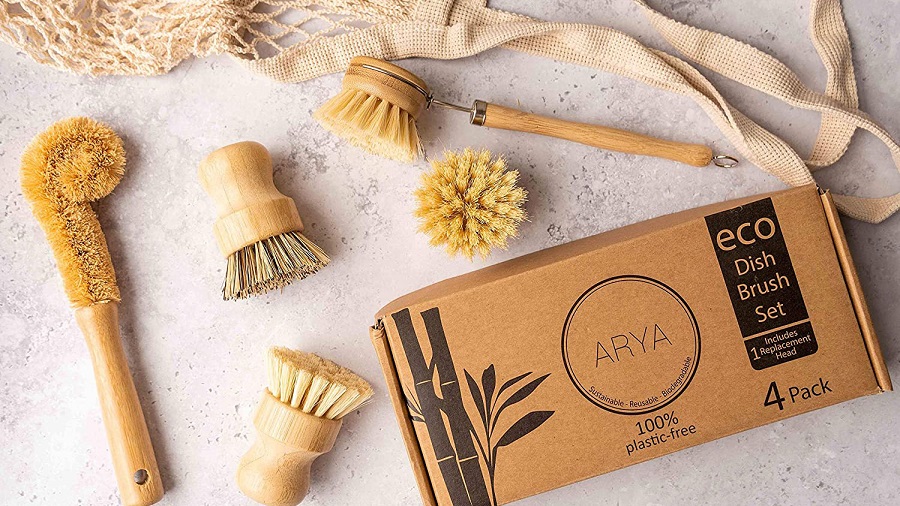
Green cleaning has become a cornerstone of professional housekeeping because it delivers powerful results without hazardous chemicals. These methods not only protect the environment but also support healthier indoor air, reduce waste, and utilize cost-friendly ingredients already found in most homes.
Why Many Professionals Choose Eco-Friendly Cleaning
Professional cleaners recognize that natural cleaning products offer remarkable benefits. They help minimize chemical exposure, protect sensitive surfaces, and create a safer home environment for families, pets, and allergy-prone individuals. Eco-cleaning also supports sustainability by reducing plastic consumption and lowering overall environmental impact.
1. White Vinegar as a Natural All-Purpose Cleaner
White vinegar is a staple in eco-friendly cleaning thanks to its acidic nature, which dissolves grime effectively.
Common professional uses include:
-
Streak-free glass cleaning when diluted with water
-
Removing hard water stains from faucets and shower fixtures
-
Neutralizing odors in kitchens and bathrooms
Why it’s effective:
Its acidity cuts through buildup and bacteria, making it a trusted natural alternative to chemical sprays.
2. Baking Soda for Gentle Abrasive Cleaning
Baking soda provides scrubbing power without scratching surfaces.
How professionals use it:
-
Deodorizing carpets by sprinkling and vacuuming
-
Polishing stainless steel appliances
-
Unclogging drains when paired with vinegar
Why it’s effective:
Its gritty texture and odor-absorbing ability make it a versatile cleaning essential.
3. Lemon Juice for Natural Disinfection
Lemon juice offers antibacterial properties and a fresh scent.
Professional applications:
-
Cutting through grease on stovetops and counters
-
Brightening cutting boards when combined with salt
-
Shining copper and brass
Why it’s effective:
The citric acid dissolves oils and stains while imparting a fresh, clean aroma.
4. Castile Soap as a Plant-Based Cleaner
Castile soap is highly concentrated and biodegradable.
How professionals rely on it:
-
Mopping floors safely without residue
-
Cleaning bathroom surfaces
-
Washing reusable microfiber cloths
Why it’s effective:
It works like conventional detergent but without synthetic fragrances, dyes, or harsh surfactants.
5. Essential Oils for Sanitizing and Deodorizing
Professional cleaners often add essential oils to natural solutions for added cleaning strength and pleasant scents.
Popular choices:
-
Tea tree oil for antimicrobial properties
-
Lavender oil for deodorizing
-
Lemon oil for degreasing
Why they’re effective:
Essential oils enhance natural cleaners and contribute to long-lasting freshness.
6. Microfiber Cloths to Reduce Chemical Use
Microfiber cloths trap dust and bacteria mechanically, reducing the need for chemical sprays.
Professional uses:
-
Dusting without polish
-
Cleaning mirrors and glass streak-free
-
Wiping spills efficiently
Why they’re effective:
Their ultra-fine fibers lift dirt more effectively than cotton, even when used with only water.
7. Steam Cleaning for Chemical-Free Sanitization
Steam cleaners provide high-temperature sanitation without detergents.
Where professionals use steam:
-
Tile and grout cleaning
-
Deep-cleaning upholstery
-
Disinfecting bathrooms
Why it’s effective:
Steam eliminates pathogens using heat alone, making it one of the most eco-friendly cleaning methods available.
Frequently Asked Questions
1. Are eco-friendly cleaning methods as effective as chemical cleaners?
Yes, when used correctly. Many natural ingredients like vinegar, lemon, and baking soda perform as well as commercial products for everyday cleaning.
2. Can eco-friendly cleaners disinfect surfaces?
Steam, tea tree oil, and vinegar offer strong antimicrobial properties, though for critical sanitization tasks, steam cleaning is often preferred by professionals.
3. Are natural cleaning ingredients safe for all surfaces?
Most are, but acidic ingredients such as vinegar and lemon should not be used on natural stone surfaces like marble or granite.
4. How can I make my home smell fresh without chemical sprays?
A mix of water, vinegar, and essential oils creates an effective natural deodorizing spray.
5. Do natural cleaners expire?
Homemade cleaners without preservatives can degrade over time. It’s best to make small batches and remake every few weeks.
6. Can eco-friendly cleaning save money?
Yes. Most ingredients such as vinegar and baking soda are inexpensive and multipurpose, reducing the need for multiple commercial products.
7. What tools pair best with eco-friendly cleaning recipes?
Reusable microfiber cloths, spray bottles, steam cleaners, and soft-bristle brushes complement natural cleaning solutions effectively.
You May Also Like
Rise of Non-Toxic Cleaning S ...
09 December 2025
Safe Cleaning Practices for ...
14 May 2025

Stain Removal vs. Maintenanc ...
07 April 2025


