Stain Removal vs. Maintenance: What Works Best in Cleaning & Maintenance?

When it comes to keeping our homes clean, two fundamental approaches dominate the discussion: stain removal and ongoing maintenance. While both are essential for maintaining a pristine living environment, the question remains: which is more effective in the long term? Is it better to focus on eliminating stains as they appear, or should we concentrate on proactive maintenance to prevent stains from even happening? Both approaches offer valuable benefits, but understanding when and how to use them can make all the difference in ensuring a clean and well-maintained home. In this article, we’ll delve into the nuances of stain removal versus maintenance, weighing their respective strengths and helping you determine which strategy works best for your lifestyle.
The Importance of Stain Removal
Stain removal is one of the most immediate and necessary tasks when it comes to cleaning. From the accidental coffee spill on the rug to the splatter of sauce on your favorite shirt, stains are an inevitable part of life. Addressing them promptly is crucial for maintaining the appearance of your home and personal items, as stains that aren’t treated right away can become permanent.
Immediate Action and Effectiveness
The primary appeal of stain removal is its ability to address visible messes quickly. Whether it’s a wine stain on your white tablecloth or a grease mark on your kitchen counter, removing stains as soon as they occur ensures that they don’t set into fabrics or surfaces. Many cleaning professionals recommend acting immediately to blot the stain, avoiding rubbing it in, and using the right cleaning agent. The key to successful stain removal is timing. The longer a stain is left untreated, the more challenging it becomes to eliminate.
Stain removal techniques can vary widely depending on the type of stain. Organic stains, such as those from food, drink, or sweat, are often easier to tackle because they consist of natural substances that respond well to common cleaning agents. In contrast, synthetic stains, such as ink, grease, or paint, may require specialized solutions and more extensive efforts. Common household items like vinegar, baking soda, and hydrogen peroxide can often do the trick for most everyday stains, offering a cost-effective and straightforward solution.
The Short-Term Focus
While stain removal is undoubtedly effective in the short term, it is inherently reactive. Stains occur, and you clean them up—but this doesn’t prevent the next spill or accident from happening. In some cases, stain removal might even lead to a cycle of constant cleaning, as stains continue to appear without any structural solution in place to prevent them.
The Role of Maintenance in Cleaning
Maintenance, on the other hand, takes a more proactive approach. Rather than focusing on cleaning up after a mess, maintenance involves setting up systems and habits that help prevent messes from occurring in the first place. Regular upkeep ensures that surfaces stay clean, organized, and well-preserved, reducing the frequency of stains and the effort required to maintain a pristine environment.
The Power of Prevention
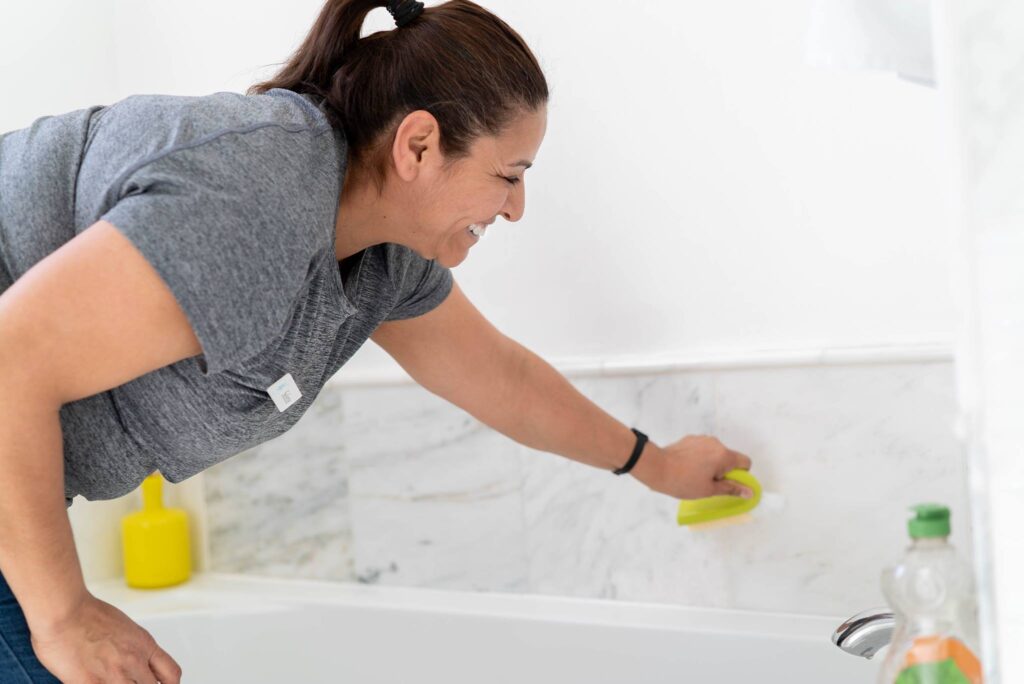
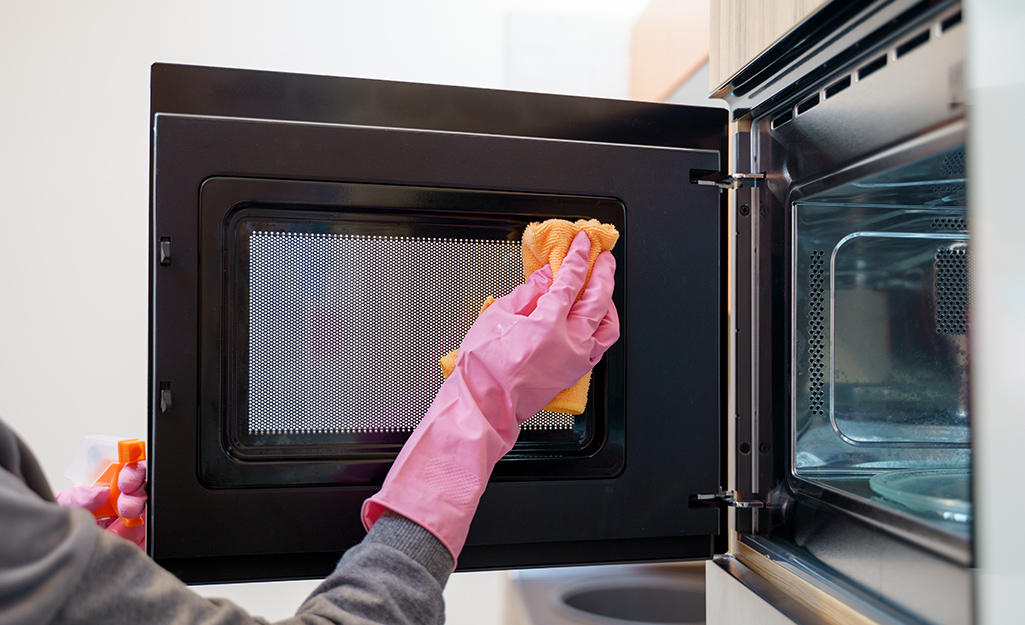
The main strength of maintenance is its ability to prevent stains and dirt from accumulating in the first place. By adopting a regular cleaning routine and being diligent about upkeep, you can significantly reduce the likelihood of stains and spills. Maintenance can include regular vacuuming to keep floors clean, wiping down counters after each use, and organizing spaces to prevent clutter from becoming a breeding ground for dirt and grime.
For example, using protective covers on furniture, such as slipcovers for couches or rugs in high-traffic areas, can shield your fabrics from the possibility of stains. A well-maintained entryway with a doormat can reduce the amount of dirt tracked into your home. Moreover, regular maintenance tasks such as sealing grout or applying stain-resistant treatments to fabrics and carpets can extend the life of your furnishings and prevent long-term staining issues.
Long-Term Benefits
The most significant advantage of maintenance is its long-term impact on cleanliness. When you invest in regular cleaning habits and upkeep, you’re creating an environment that is easier to manage and maintain. While stain removal offers a quick fix for immediate messes, maintenance tackles the root causes of messiness—dirt, dust, clutter, and wear and tear—making your space less susceptible to stains and other issues in the first place.
In addition, maintenance can save you time and money in the long run. Regular cleaning prevents the buildup of grime and the need for intense, time-consuming stain removal sessions. Furthermore, maintaining the condition of your furniture, carpets, and appliances helps to preserve their value and longevity, reducing the need for costly replacements or repairs.
Comparing Stain Removal and Maintenance
Effectiveness: Immediate vs. Long-Term Solutions
Stain removal offers quick, targeted results, but it’s reactive by nature. It works well for isolated incidents and provides instant gratification when dealing with specific stains. However, it doesn’t address the underlying issue of how and why stains are occurring in the first place. This can lead to a constant cycle of cleaning, as new stains pop up with regularity.
Maintenance, on the other hand, provides long-term effectiveness. By establishing good habits and regularly cleaning your home, you reduce the likelihood of stains occurring and make your space easier to maintain overall. While it may take more effort upfront, maintenance leads to a cleaner, more organized living space that requires less effort to keep in pristine condition over time.
Time and Effort: Quick Fixes vs. Consistent Upkeep
Stain removal tends to require more immediate bursts of effort, usually in response to an unexpected mess. While it may not take long to deal with a single stain, repeated incidents can quickly add up, requiring you to spend more time cleaning. The effort involved in stain removal can be exhausting, especially when multiple stains appear in a short period.
In contrast, maintenance requires consistency but often less intensive effort over time. If you take the time to vacuum regularly, wipe down surfaces daily, and declutter weekly, you’ll spend less time in the long run tackling larger messes. It’s about building habits that prevent big issues from arising, allowing you to stay ahead of potential problems.
Cost: Reactive vs. Preventive Measures
From a financial perspective, stain removal can be inexpensive, especially when using common household products. However, if you’re consistently dealing with stains, it may become costly to purchase specialized stain-removal products or invest in professional cleaning services.
Maintenance, while requiring an initial investment in cleaning supplies, equipment, and possibly protective treatments, can be more cost-effective in the long run. Regular upkeep prevents the need for more expensive cleaning services or replacing stained furniture and carpets. Furthermore, organizing your space and maintaining appliances can increase their longevity, providing a better return on your investment.
Which Is Best for You?
In reality, neither stain removal nor maintenance is superior in all cases. They are both essential components of a comprehensive cleaning and maintenance strategy, and the best approach depends on your priorities and the specific needs of your home.
-
If you have small children or pets, you may find that stain removal is a more pressing concern, as accidents and messes are bound to happen. However, implementing maintenance habits such as wiping up spills immediately or using stain-resistant fabrics can make cleaning easier in the long run.
-
If you live in a busy household with multiple people, maintenance may be more effective in keeping your home organized and preventing clutter from becoming a problem. Regular cleaning and tidying will minimize the need for intensive stain removal sessions.
In general, combining both strategies is the best way to keep your home looking its best. Use stain removal techniques to deal with immediate messes, but prioritize regular maintenance to prevent future issues and create a space that is easier to clean and manage.
Conclusion
Stain removal and maintenance are two sides of the same coin when it comes to home cleanliness. While stain removal offers quick, targeted solutions to individual messes, maintenance provides the long-term benefits of prevention, organization, and upkeep. The key to an effective cleaning routine is finding the right balance between the two—addressing stains as they arise while consistently maintaining a clean and well-organized home environment. With the right approach, you can ensure that your space remains spotless and inviting, without the stress and effort of constant cleaning.