
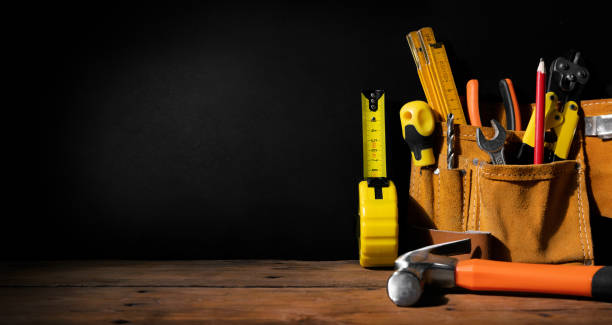
Home improvement can often seem like an intimidating, expensive endeavor, especially when professional contractors and high-end materials are involved. However, with the right tools, a bit of creativity, and a well-planned budget, transforming your home into a more functional and aesthetically pleasing space is entirely achievable. Whether you are a seasoned DIY enthusiast or a beginner looking to tackle your first home project, understanding how to leverage both tools and budget effectively can make all the difference in achieving beautiful results without overspending.
The idea of improving your home doesn’t always require large-scale renovations or extravagant expenses. Often, small changes can have a profound impact, and these changes can be accomplished with a minimal financial outlay if you make smart decisions. The key is knowing how to use the right tools for the job, understanding where to spend and where to save, and approaching each project with both creativity and practicality. This article explores how to improve your home efficiently using a combination of the right tools and a reasonable budget, offering a variety of tips and strategies to help you achieve the home of your dreams.
1. Start with a Clear Plan
The foundation of any successful home improvement project — whether large or small — is a clear, well-thought-out plan. Jumping into a project without a solid idea of what you want can lead to overspending, mistakes, and frustration. Start by setting a realistic budget and listing your goals for the project. Break down the tasks and decide which are within your skill level and which might require more advanced expertise. This will help you prioritize what tools to purchase and what materials you can afford.
Create a timeline for the project, considering how much time each task will realistically take. Keep in mind that rushing through a project can lead to subpar results or unforeseen costs, so be realistic about the time you can devote to the work. A clear plan will help keep you on track, avoid unnecessary expenses, and ensure that your improvements align with your vision for the space.
2. Invest in Essential Tools
While some home improvement tasks may require specialized tools, many jobs can be accomplished with a set of essential tools that will serve you for a variety of projects. Investing in quality tools — even on a budget — is crucial, as they will last longer and provide better results.
Key tools that every homeowner should consider include:
-
Power Drill/Driver: This tool is a must-have for a wide range of tasks, from installing shelving to assembling furniture. Many modern power drills come with adjustable speeds and multiple attachments, allowing you to perform a variety of jobs with just one tool.
-
Circular Saw: If you’re working with wood or cutting larger materials, a circular saw is a versatile and budget-friendly option. It allows for precise cuts, making it ideal for DIY projects like building shelves, trimming wood, or cutting paneling.
-
Screwdrivers and Wrenches: A good set of hand tools like screwdrivers, wrenches, and pliers will help you handle small tasks, from tightening loose bolts to assembling flat-pack furniture.
-
Tape Measure and Level: Precision is essential for any project, so having a reliable tape measure and a level will ensure that your work is accurate, whether you’re installing shelves or hanging artwork.
You May Also Like
Easy Weekend Home Improvemen ...
15 January 2026

How to Ensure Your Pool Meet ...
28 August 2025

Step-by-Step: Mastering Exte ...
05 April 2025


