Furnace vs. Energy Saving: What Works Best in HVAC?
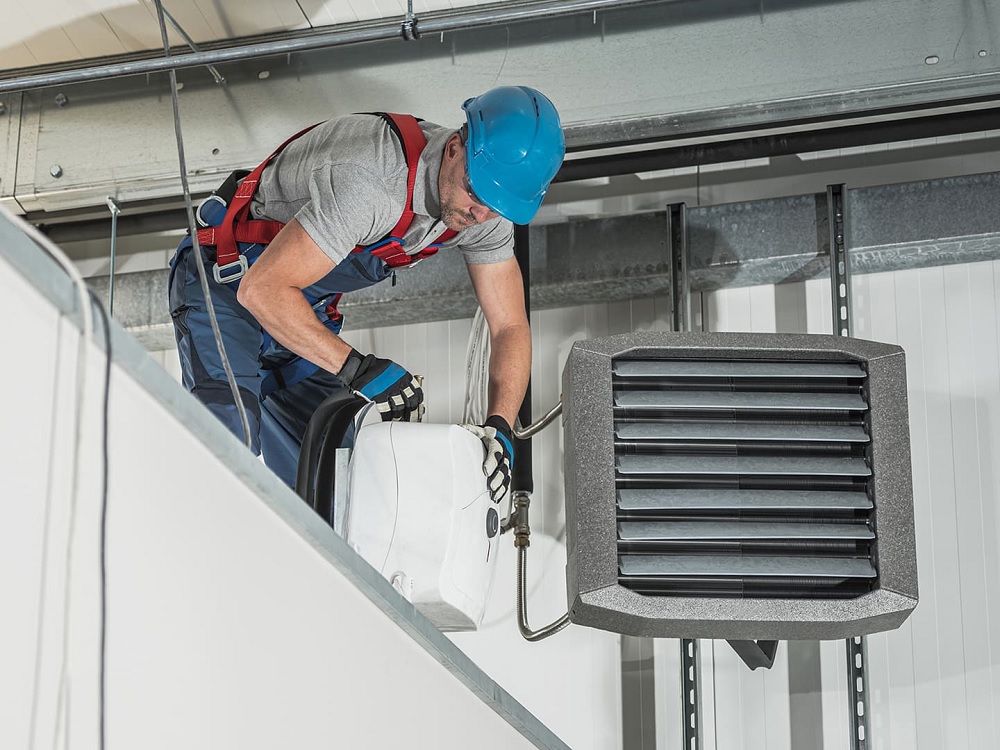
In the world of heating, ventilation, and air conditioning (HVAC), understanding how different components and systems function can be a game-changer when it comes to maintaining comfort, saving money, and optimizing energy efficiency in your home. Among the many questions that homeowners often face, one of the most common is whether to focus on upgrading their furnace or to invest in energy-saving solutions for their HVAC systems. Both options are crucial to maintaining a comfortable living environment, but each offers distinct benefits depending on the specific needs of the household and the existing system.
In this article, we will explore the fundamental differences between investing in a new furnace and implementing energy-saving strategies, as well as discuss which option works best in various scenarios. Ultimately, understanding the dynamics between furnace efficiency and energy-saving measures will help homeowners make more informed decisions when it comes to HVAC maintenance and upgrades.
The Role of a Furnace in HVAC
A furnace is one of the most critical components of any heating system, and it is responsible for generating the heat needed to warm a home during colder months. Furnaces work by burning fuel (such as natural gas, propane, or oil) or using electricity to heat air, which is then circulated throughout the house via ducts. In modern HVAC systems, furnaces are designed to be more energy-efficient than their older counterparts, but the efficiency of the furnace can still vary widely depending on its age, make, and model.
When Should You Replace Your Furnace?
-
Old Age: A furnace typically has a lifespan of 15 to 30 years, depending on how well it is maintained and the quality of the unit itself. If your furnace is approaching or exceeding this age range, it may no longer operate at peak efficiency, leading to higher energy consumption and a less comfortable indoor environment.
-
Frequent Repairs: If your furnace requires constant repairs or has had a series of costly breakdowns, it may be time for a replacement. Continuing to patch up an aging system can be a drain on both your finances and your comfort, especially if repairs are becoming increasingly frequent.
-
Inefficiency: Older furnaces often have lower energy efficiency ratings, which means they consume more energy to produce the same amount of heat as a newer, more efficient model. The U.S. Department of Energy uses the Annual Fuel Utilization Efficiency (AFUE) rating to measure how efficiently a furnace converts fuel into heat. A furnace with an AFUE of 80% means that 80% of the energy goes into heating your home, while the remaining 20% is lost. Modern furnaces can have an AFUE rating of 90% or higher, which means they waste less energy.
-
Inconsistent Heating: If you notice that certain rooms in your home are warmer or cooler than others, this could be a sign that your furnace is struggling to distribute heat evenly. While some variation in temperature is normal, large discrepancies in comfort may indicate that your furnace is malfunctioning or that the ductwork needs attention.
Benefits of Replacing an Old Furnace
-
Improved Energy Efficiency: A new furnace with a high AFUE rating can significantly reduce your energy bills by using less fuel to generate the same amount of heat. This makes a new furnace an excellent long-term investment, especially if your current system is inefficient and consuming excessive energy.
-
Better Comfort: Newer furnaces typically offer more consistent and even heating throughout the home. They also operate more quietly, which enhances the overall comfort and livability of your space. Additionally, modern furnaces may be paired with advanced thermostats and zoning systems that allow you to control temperatures in different areas of your home, further increasing comfort.
-
Increased Home Value: If you’re planning to sell your home in the near future, installing a new furnace can improve your home’s value and appeal. Buyers are likely to be more interested in a property with an updated, efficient HVAC system, as it promises lower utility costs and fewer maintenance issues.
Energy-Saving Measures for HVAC Systems
Energy-saving measures go beyond replacing an old furnace. While upgrading to a new, high-efficiency furnace can offer significant savings, there are many other strategies and technologies available to homeowners that can help reduce energy consumption and enhance the overall efficiency of the HVAC system.
Energy-Saving Options in HVAC Systems
-
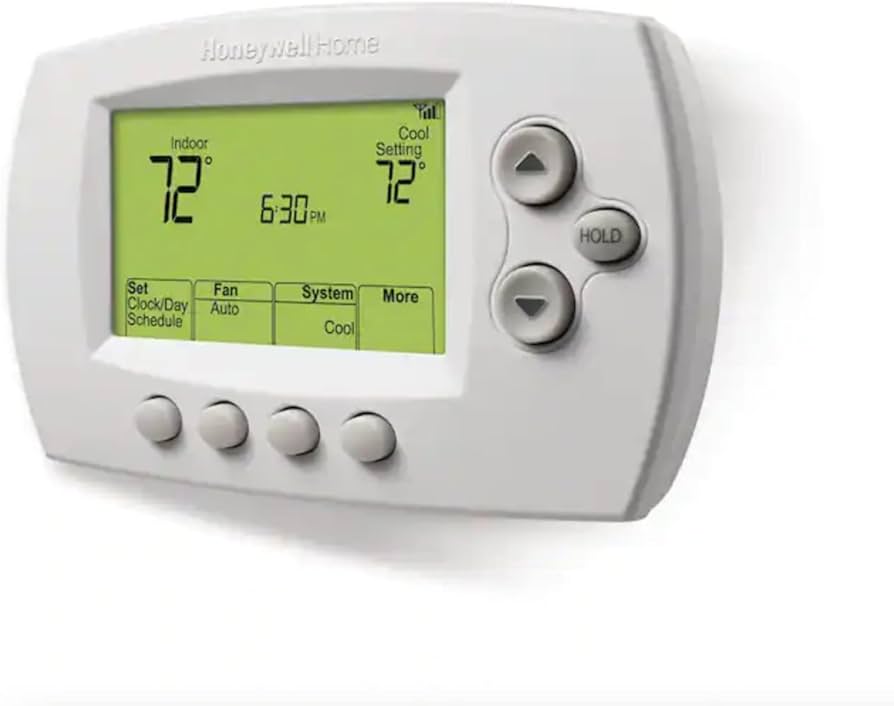
Programmable Thermostats: One of the simplest and most effective ways to save energy is by installing a programmable thermostat. These devices allow you to set temperature schedules for your home, so the system only runs when necessary. For example, you can program the thermostat to lower the temperature while you’re at work or asleep, and then raise it before you return home or wake up. By reducing heating or cooling during periods of inactivity, you can cut down on your energy consumption without sacrificing comfort.
-
Zoning Systems: A zoning system divides your home into different areas or “zones,” each of which can be controlled separately. This means you can heat or cool only the rooms that are in use, rather than wasting energy on spaces that are unoccupied. For instance, if you spend most of your time in the living room, you can set that zone to a comfortable temperature while turning off heating in other rooms.
-
Insulation and Sealing: Proper insulation is key to preventing heat loss during the winter and reducing the need for your furnace to run constantly. Ensuring that your attic, walls, and floors are properly insulated can help maintain a more consistent indoor temperature. Additionally, sealing gaps around doors, windows, and ducts will prevent drafts that allow heated air to escape, further reducing energy waste.
-
Regular Maintenance: Regular maintenance, such as changing the air filters, cleaning the ducts, and having the system professionally serviced, can improve the efficiency of your HVAC system. For furnaces, a dirty air filter can restrict airflow, making the furnace work harder and use more energy. Similarly, a dirty or clogged burner can decrease combustion efficiency, leading to wasted fuel and higher energy bills.
-
Energy-Efficient Appliances: Beyond the furnace itself, upgrading other components of your HVAC system, such as the air conditioner, can also save energy. Many modern air conditioning units and heat pumps are built to be far more energy-efficient than older models, offering substantial savings on cooling costs during the hotter months.
-
Smart HVAC Technology: Advancements in smart home technology now allow for even greater energy efficiency in HVAC systems. Smart thermostats, like Nest or Ecobee, learn your habits over time and adjust the temperature accordingly, further optimizing energy usage. These systems can also be controlled remotely via smartphone apps, giving you more control over your home’s temperature and helping you avoid heating or cooling an empty house.
Benefits of Energy-Saving Measures
-
Lower Energy Bills: Implementing energy-saving measures can lead to significant reductions in your monthly utility bills. Whether you opt for a programmable thermostat, improve your home’s insulation, or install a zoning system, each of these steps can contribute to a more efficient HVAC system and lower overall energy consumption.
-
Environmental Impact: Reducing energy consumption not only saves money but also helps reduce your carbon footprint. By using less energy to heat and cool your home, you are contributing to the conservation of natural resources and minimizing the environmental impact of your household.
-
Increased Comfort: Many energy-saving measures, such as installing a programmable thermostat or improving insulation, can also enhance the comfort of your home. By optimizing temperature control and reducing drafts, these measures create a more stable and pleasant indoor environment.
Furnace vs. Energy Saving: What Works Best for You?
So, which is the better option for improving your HVAC system: replacing the furnace or focusing on energy-saving measures? The answer depends on your specific circumstances.
-
If Your Furnace is Old or Inefficient: If your furnace is aging, inefficient, or in constant need of repairs, investing in a new, high-efficiency furnace is likely the best option. A new furnace will improve your home’s comfort, reduce your energy bills, and provide long-term value.
-
If Your Furnace is in Good Condition: If your furnace is relatively new and in good condition, focusing on energy-saving measures such as upgrading your thermostat, improving insulation, and performing regular maintenance is a cost-effective way to improve efficiency without the expense of a full furnace replacement.
-
For Maximum Efficiency: The best approach often involves a combination of both. Upgrading to an energy-efficient furnace can offer immediate improvements in heating performance, while also implementing energy-saving strategies like improved insulation, zoning, and smart thermostats to optimize the system’s overall efficiency.
Conclusion
When it comes to optimizing your HVAC system, there is no one-size-fits-all solution. If your furnace is old, inefficient, or constantly in need of repair, replacing it with a more energy-efficient model is a smart move. However, if your furnace is still performing well, focusing on energy-saving measures can help you lower your energy bills, reduce your carbon footprint, and enhance your overall comfort. Ultimately, the best approach to improving your HVAC system depends on the condition of your furnace, your long-term goals, and the level of investment you’re willing to make. By carefully weighing your options, you can create a more comfortable, energy-efficient home while also saving money in the long run.