
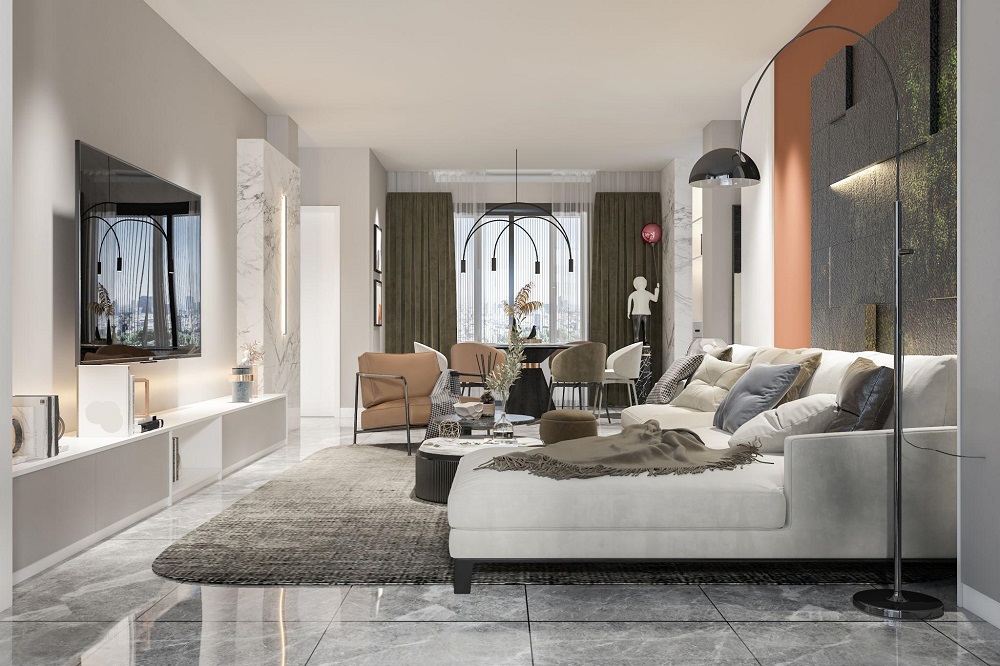
Creating a comfortable living room is not only about selecting attractive furniture. The way pieces are arranged directly influences how the space feels, functions, and supports daily living. Thoughtful placement improves movement flow, conversation quality, relaxation, and visual harmony without requiring major renovations or expensive upgrades.
This guide explains practical, effective strategies that help transform any living room into a more welcoming and functional environment.
Understand the Purpose of the Living Room First
Before moving furniture, identify how the space is actually used. Comfort increases when layout decisions match real lifestyle needs rather than decoration trends.
Consider whether the room primarily supports:
- Family gatherings
- Watching television
- Reading and quiet relaxation
- Hosting guests
- Multi-purpose daily activities
For example, a conversation-focused layout differs greatly from a media-focused arrangement. Defining priorities prevents cluttered or awkward setups later.
Anchor the Layout with a Strong Focal Point
Every comfortable living room benefits from a clear visual anchor. A focal point gives structure to the entire arrangement and helps furniture placement feel intentional.
Common focal points include:
- Television wall
- Fireplace
- Large window with outdoor view
- Accent wall or artwork
- Central coffee table arrangement
Arrange major seating pieces so they naturally face or support this feature. This improves visual balance and reduces the feeling of randomness in the layout.
Maintain Clear Walking Paths
Comfort depends heavily on how easily people move through a room. Even beautifully styled spaces feel stressful when navigation is difficult.
Follow these spacing recommendations:
- Keep main walkways open and direct
- Avoid blocking entry points
- Leave space between seating and tables
- Ensure doors open freely
A well-planned path makes the room feel larger, calmer, and more welcoming.
Position Seating for Natural Conversation
Comfort increases when seating supports interaction rather than isolation.
Effective conversation-friendly arrangements include:
- Facing sofas across a central table
- L-shaped sectional layouts
- Sofa paired with two accent chairs
- Circular seating around a central rug
Keep seating within a comfortable conversational distance. This helps guests interact naturally without raising their voices.
Balance Furniture Size with Room Dimensions
Oversized furniture can overwhelm small spaces, while undersized pieces make large rooms feel empty.
To improve comfort:
- Match sofa size to wall length
- Use compact chairs in smaller rooms
- Choose proportional coffee tables
- Avoid pushing every piece against walls unnecessarily
Balanced proportions create a relaxed visual experience and improve usability.
Use Area Rugs to Define Seating Zones
Area rugs help visually organize the room and make seating arrangements feel grounded rather than scattered.
For best results:
- Place front legs of sofas and chairs on the rug
- Center the rug beneath the main seating cluster
- Choose rug sizes large enough to connect furniture visually
This technique makes even open-plan living rooms feel structured and cohesive.
Optimize Lighting Through Furniture Placement
Lighting strongly affects comfort levels. Smart placement ensures both natural and artificial light enhance the space.
Improve lighting effectiveness by:
- Keeping tall furniture away from windows
- Positioning reading chairs near light sources
- Placing lamps beside sofas and accent chairs
- Avoiding shadows over main seating areas
Balanced lighting supports relaxation and reduces eye strain during daily activities.
Create Functional Zones in Larger Living Rooms
Large living rooms benefit from dividing space into purposeful sections rather than keeping everything centered in one cluster.
Possible zone combinations include:
- Conversation zone with sofas and chairs
- Reading corner with lamp and armchair
- Media viewing area facing television
- Small workspace corner
This approach improves usability while maintaining visual harmony.
Avoid Common Furniture Placement Mistakes
Comfort often improves immediately once a few typical layout mistakes are corrected.
Watch for these issues:
- Furniture pushed too tightly against walls
- Blocking windows with tall pieces
- Oversized coffee tables restricting movement
- Poor alignment with focal points
- Ignoring walkway flow
Correcting even one of these can noticeably improve the room’s feel.
Add Flexible Furniture for Adaptability
Movable pieces increase long-term comfort because layouts can evolve with changing needs.
Helpful flexible furniture choices include:
- Lightweight accent chairs
- Nesting tables
- Storage ottomans
- Modular sofas
These pieces allow quick adjustments for gatherings, quiet evenings, or seasonal changes.
FAQs
How far should a coffee table be from the sofa
A comfortable distance is typically between 40 and 45 centimeters. This allows easy reach without restricting leg movement.
Should all furniture be placed against the wall
Not always. Pulling seating slightly away from walls often creates a more inviting and balanced layout.
What is the best position for a television in the living room
The television should align with primary seating at eye level when seated, avoiding glare from nearby windows.
How can furniture placement make a small living room feel larger
Use fewer bulky items, maintain clear walkways, choose raised-leg furniture, and keep sightlines open across the room.
Is symmetry necessary for a comfortable layout
Symmetry helps create visual calm but is not required. Balanced asymmetry can feel equally comfortable and more natural.
How many seating pieces should a living room include
The ideal number depends on room size and usage. Most living rooms benefit from one main sofa and two supporting seats.
Can rugs really improve comfort in a living room layout
Yes. Rugs visually anchor furniture, soften acoustics, and help define seating zones, which enhances both physical and visual comfort.
You May Also Like
Designing Interiors for Heal ...
25 September 2025
Designing Interiors for Crea ...
12 September 2025
Mastering Interior Design wi ...
14 August 2025


