

Gardening is more than a weekend hobby or a seasonal task—it can become a deeply fulfilling, lifelong passion that grows alongside you. Whether you begin with a single potted plant or a full backyard plot, gardening has a unique way of nurturing patience, curiosity, and a lasting connection to nature. With the right mindset and approach, what starts as a simple interest can evolve into a meaningful part of your daily life.
Why Gardening Resonates at Every Stage of Life
Gardening appeals across generations because it adapts to changing lifestyles, physical abilities, and interests. It offers calm during stressful periods, purpose during transitions, and joy through visible progress.
Some of the most enduring reasons people stay connected to gardening include:
-
A sense of accomplishment from growing something tangible
-
Daily moments of mindfulness and calm
-
A deeper relationship with nature and seasons
-
Continuous learning and experimentation
Gardening never truly reaches an endpoint. There is always another plant to try, a better method to learn, or a new challenge to solve.
Starting Small Without Losing Motivation
One of the biggest mistakes beginners make is taking on too much too soon. Passion grows best when early experiences are positive and manageable.
Begin with:
-
A few easy plants suited to your climate
-
Containers or raised beds if space is limited
-
Herbs or vegetables that grow quickly and reward effort
Early success builds confidence, and confidence fuels long-term interest. Over time, small wins naturally inspire bigger projects.
Learning to Work With Nature, Not Against It
A lifelong gardener understands that control is limited. Weather shifts, pests appear, and plants sometimes fail despite best efforts. Accepting this reality is essential for long-term enjoyment.
Instead of frustration, focus on:
-
Observing soil, sunlight, and moisture patterns
-
Choosing plants that thrive naturally in your environment
-
Improving soil health rather than forcing growth
This mindset turns setbacks into lessons rather than reasons to quit.
Creating a Personal Gardening Routine
Consistency transforms gardening from a task into a habit. A regular routine keeps you connected even during busy periods.
A sustainable routine may include:
-
Morning or evening check-ins with plants
-
Weekly watering, pruning, or harvesting sessions
-
Seasonal planning and reflection
These small rituals create rhythm and deepen emotional attachment to your garden.
Letting Curiosity Drive Long-Term Growth
Passion stays alive when curiosity stays active. Gardening offers endless paths to explore, making boredom unlikely.
You might explore:
-
Native plants and pollinator gardens
-
Composting and soil regeneration
-
Organic pest control methods
-
Seed saving and plant propagation
Each new skill adds depth to your experience and keeps gardening intellectually engaging.
Connecting Gardening to Personal Values
Gardening becomes lifelong when it aligns with what matters most to you. For some, it’s sustainability. For others, it’s creativity, self-reliance, or family bonding.
Gardening can support:
-
Environmental responsibility through reduced waste
-
Health and nutrition via homegrown food
-
Creative expression in garden design
-
Community connection through sharing produce or plants
When gardening reflects your values, it stops feeling optional and becomes essential.
Adapting Your Garden as Life Changes
A lifelong passion must be flexible. As time, space, and energy change, gardening can evolve rather than disappear.
Adaptations might include:
-
Switching from large plots to container gardening
-
Choosing low-maintenance perennials
-
Focusing on indoor plants during certain seasons
Gardening does not require perfection—only presence.
Passing the Passion Forward
One of the most rewarding aspects of lifelong gardening is sharing it. Teaching children, friends, or neighbors creates continuity and purpose beyond your own space.
Sharing knowledge, seeds, or harvests reinforces the idea that gardening is not just personal—it’s communal and enduring.
Frequently Asked Questions
How long does it take to develop a true passion for gardening?
Passion often develops gradually. For many people, it grows after a few successful seasons when confidence and enjoyment begin to outweigh frustration.
What if I don’t have enough space for gardening?
Limited space doesn’t prevent passion. Balconies, windowsills, and indoor setups can be just as rewarding as large gardens.
Is gardening expensive to maintain long-term?
Gardening can be as affordable or as costly as you choose. Seed saving, composting, and plant propagation significantly reduce expenses over time.
How do I stay motivated during failed growing seasons?
Viewing failures as learning experiences helps maintain motivation. Every season provides insights that improve future results.
Can gardening remain enjoyable as I age?
Yes. Gardening adapts easily to physical changes through raised beds, container gardening, and low-effort plant choices.
What’s the best way to keep learning about gardening?
Observation, experimentation, and seasonal reflection are powerful teachers. Over time, your own garden becomes your most reliable source of knowledge.
Does gardening require a fixed daily commitment?
No. Consistency matters more than duration. Even short, regular interactions can sustain a strong and lasting connection to gardening.
You May Also Like
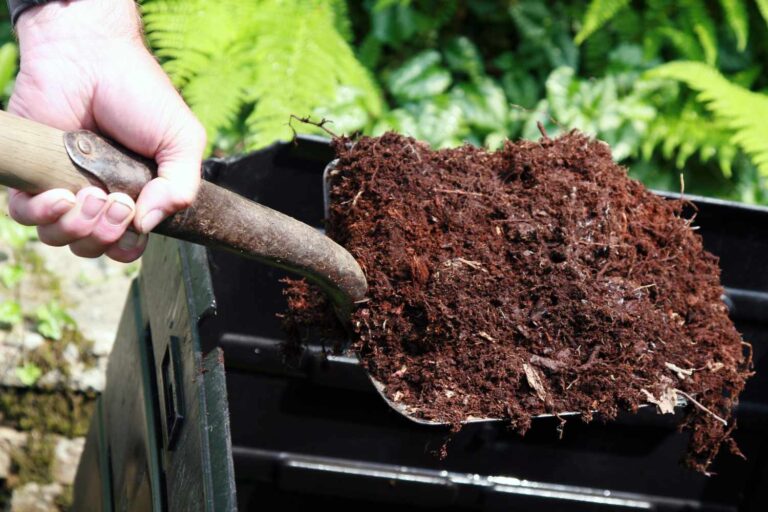
Natural Fertilizers That Imp ...
14 December 2025
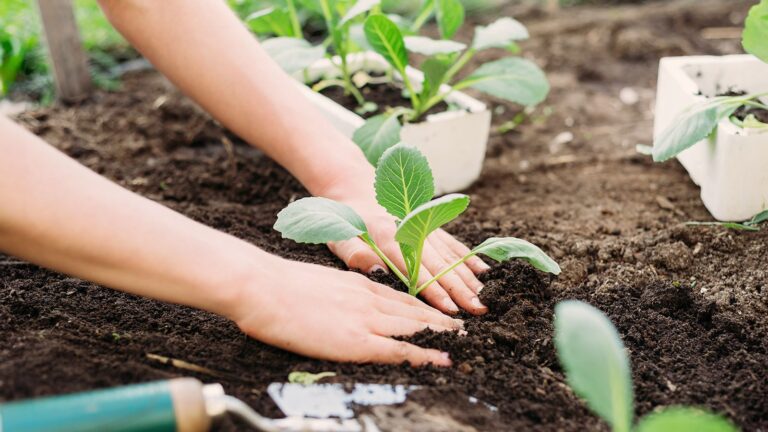
The Role of Patience in Succ ...
06 September 2025

How Shade Sails Transform Ou ...
26 August 2025


