
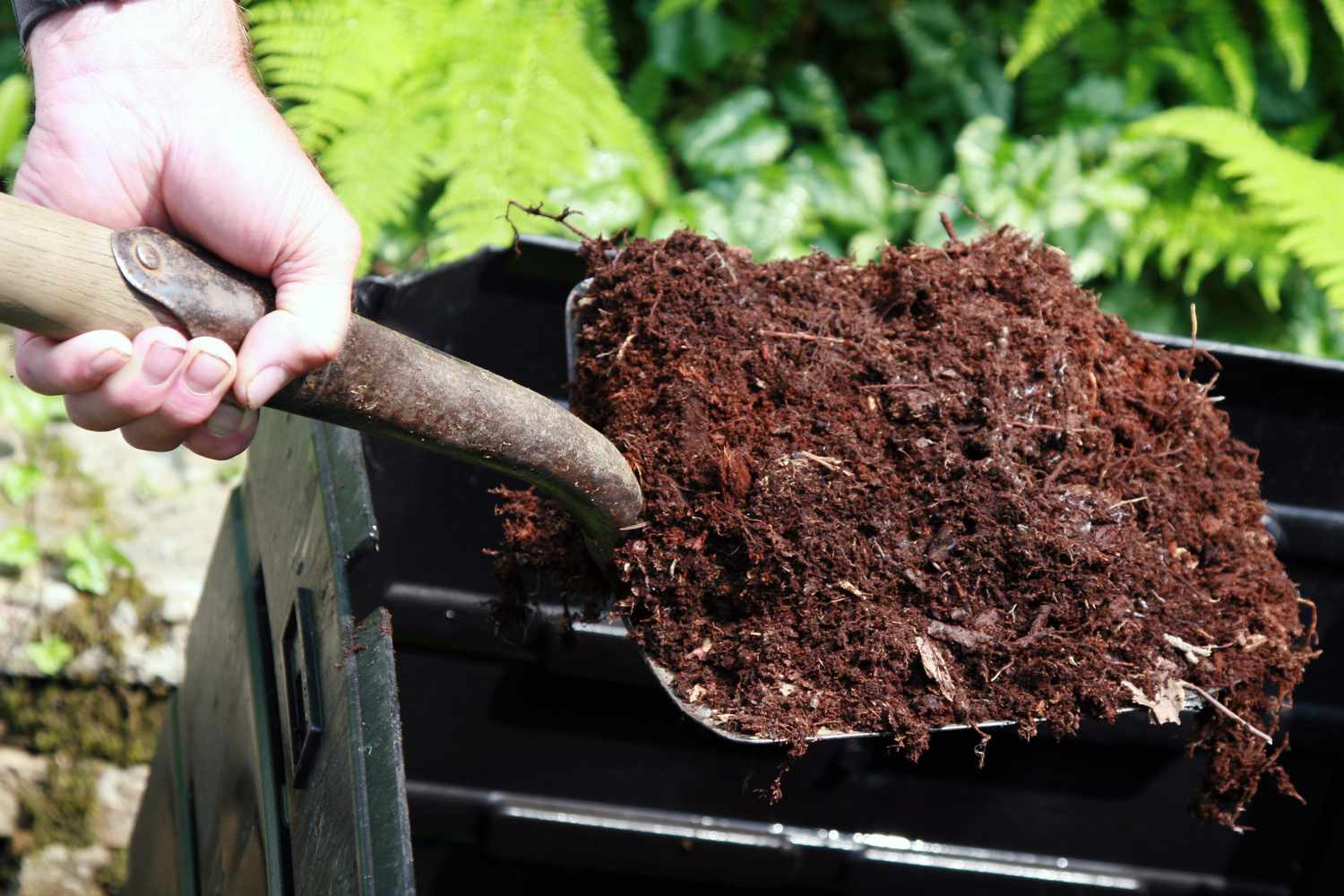
Healthy soil is the foundation of a productive backyard garden. Instead of relying on synthetic inputs, many gardeners are turning to natural fertilizers that strengthen soil structure, enrich nutrients, and support beneficial microorganisms. These organic options not only improve plant growth but also help create a sustainable ecosystem right in your backyard.
This guide explains the most effective natural fertilizers and how to use them properly to transform poor soil into fertile ground.
Why Natural Fertilizers Are Better for Backyard Soil
Natural fertilizers improve soil quality gradually while strengthening its biological activity. Unlike chemical alternatives that offer quick results but degrade soil over time, organic amendments build long-term fertility.
Key benefits include:
- Improved soil texture and drainage
- Increased microbial activity
- Enhanced nutrient retention
- Better root development
- Reduced environmental impact
Healthy soil supports healthier plants with stronger resistance to pests and diseases.
Compost: The Foundation of Healthy Soil
Compost is one of the most powerful natural fertilizers available for backyard gardens. It enriches soil with organic matter and supports beneficial organisms that improve soil health naturally.
Benefits of compost include:
- Adds essential nutrients slowly over time
- Improves soil aeration and moisture retention
- Encourages earthworm activity
- Enhances soil structure
Common compost ingredients:
- Vegetable peels
- Dry leaves
- Grass clippings
- Coffee grounds
- Fruit scraps
Apply compost by mixing it into the top layer of soil before planting or spreading it as a surface layer around existing plants.
Animal Manure: Nutrient-Rich Organic Support
Well-aged animal manure supplies essential nutrients such as nitrogen, phosphorus, and potassium that improve plant growth naturally.
Best types of manure for backyard gardens:
- Cow manure
- Chicken manure
- Horse manure
- Goat manure
Always use aged or composted manure rather than fresh manure to avoid plant damage and reduce pathogens.
Apply manure before planting season and mix thoroughly into soil.
Kitchen Waste Fertilizers You Can Make at Home
Many everyday kitchen leftovers can be converted into effective soil enhancers.
Examples include:
Banana peels
Rich in potassium and support flowering plants
Eggshells
Provide calcium that strengthens plant cell walls
Vegetable scraps
Improve soil organic matter when composted
Coffee grounds
Add nitrogen and improve soil texture
These materials can be composted or directly incorporated into soil after drying and crushing.
Green Manure Crops for Natural Soil Enrichment
Green manure refers to crops grown specifically to improve soil quality. These plants are later turned into the soil where they decompose and release nutrients.
Common green manure crops include:
- Mustard
- Clover
- Alfalfa
- Legumes
Benefits of green manure:
- Fixes nitrogen naturally
- Prevents soil erosion
- Improves soil structure
- Encourages beneficial microbes
Plant these crops during off-seasons and mix them into soil before flowering.
Leaf Mulch: A Free and Powerful Soil Booster
Dry leaves are an excellent natural fertilizer that many gardeners overlook. As they decompose, they enrich soil with organic matter and improve moisture retention.
Advantages of leaf mulch:
- Prevents weed growth
- Maintains soil temperature
- Improves microbial activity
- Enhances soil fertility gradually
Spread shredded leaves around plants or mix them lightly into garden beds.
Wood Ash as a Natural Mineral Supplement
Wood ash is rich in potassium and calcium, making it a useful addition to backyard soil when used correctly.
Best practices for using wood ash:
- Apply small amounts only
- Mix evenly into soil
- Avoid using near acid-loving plants
- Use only untreated wood ash
Proper use improves soil mineral balance and supports plant growth.
Vermicompost: Nutrient-Rich Earthworm Fertilizer
Vermicompost is produced through the digestion of organic matter by earthworms. It contains beneficial microbes and plant nutrients in highly absorbable forms.
Benefits include:
- Improves soil aeration
- Enhances microbial activity
- Supports root development
- Boosts plant immunity
Mix vermicompost into planting beds or use it as a top dressing around plants.
Tips for Applying Natural Fertilizers Effectively
To get the best results from organic fertilizers:
- Apply fertilizers before planting season when possible
- Mix materials evenly into soil
- Avoid overapplication
- Water soil after adding fertilizers
- Rotate fertilizer types for balanced nutrition
Consistency improves soil health over time.
Frequently Asked Questions
How long do natural fertilizers take to improve soil quality
Most natural fertilizers begin improving soil within a few weeks, but noticeable long-term soil transformation usually takes one growing season.
Can natural fertilizers replace chemical fertilizers completely
Yes, consistent use of compost, manure, and organic amendments can fully support plant nutrition without synthetic inputs.
Which natural fertilizer works fastest in backyard soil
Compost tea and vermicompost provide faster nutrient availability compared to slower decomposing materials like leaf mulch.
Is fresh manure safe to use in backyard gardens
Fresh manure should not be applied directly because it may burn plants and contain harmful pathogens. Always use composted manure.
How often should natural fertilizers be applied
Most backyard soils benefit from organic fertilizer applications two to three times during the growing season.
Can kitchen waste fertilizers attract pests
Improperly stored or uncovered kitchen scraps can attract pests, but composting them correctly prevents this issue.
Which natural fertilizer improves soil structure the most
Compost is the most effective natural amendment for improving soil structure, moisture retention, and microbial activity simultaneously.
You May Also Like

Turning Gardening Into a Lif ...
07 October 2025
The Role of Patience in Succ ...
06 September 2025

How Shade Sails Transform Ou ...
26 August 2025


