

In the modern age of gardening, the appeal of organic practices has never been stronger. As more people recognize the importance of sustainability, environmental responsibility, and health-conscious living, organic gardening has emerged as a guiding principle. However, despite its widespread popularity, many outdoor spaces still miss out on some essential organic elements that can take a garden from good to truly flourishing. In this article, we will delve into the key organic essentials that are often overlooked, yet have a profound impact on the overall success of your gardening efforts. By incorporating these components into your gardening and outdoor strategies, you’ll not only enrich your plants but also contribute to a healthier, more sustainable environment.
1. Rich, Well-Drained Soil: The Foundation of Organic Gardening
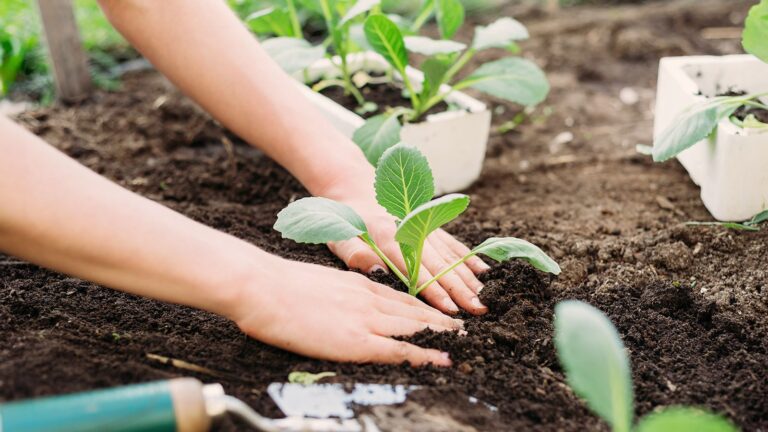
One of the most fundamental and often overlooked components of organic gardening is soil health. Healthy soil is the foundation upon which your garden thrives, and yet many gardeners focus more on what they can plant rather than what their plants are growing in. In organic gardening, soil should not only be nutrient-rich but also well-drained and teeming with beneficial organisms like earthworms, microbes, and fungi.
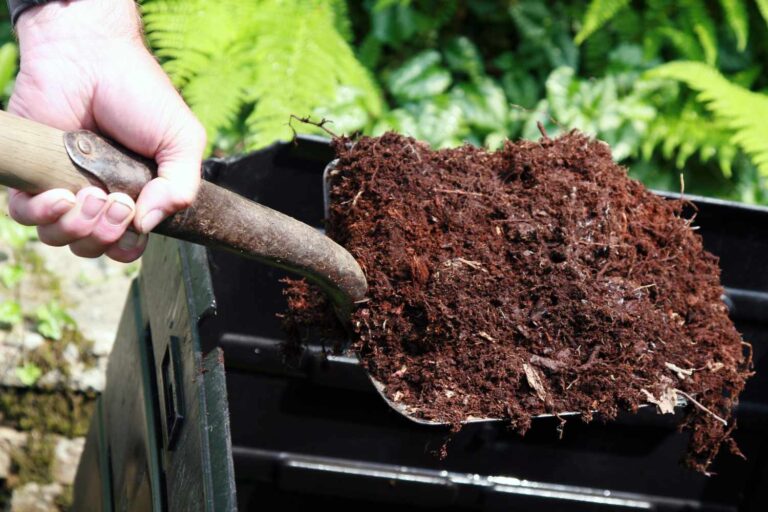
Organic compost is one of the best ways to improve soil health. By adding compost to your garden, you’re not only enriching the soil with essential nutrients but also improving its texture, water retention, and structure. Homemade compost is especially effective, as it allows you to recycle organic waste and create a sustainable cycle within your own gardening ecosystem. For gardeners in particularly poor or sandy soils, regular composting can turn a barren plot into a fertile and productive space.
Additionally, cover crops—such as clover, alfalfa, or rye—can be used to enrich soil health. These plants add organic matter, prevent soil erosion, and help replenish essential nutrients that may have been depleted by other plants. Using green manure crops like these also helps in naturally fixing nitrogen into the soil, reducing the need for synthetic fertilizers, which are harmful to both plants and the environment.
2. Natural Pest Control: Building a Balanced Ecosystem
Organic gardening is as much about fostering balance in your garden as it is about nurturing your plants. One of the most important aspects of an organic approach is the reliance on natural pest control methods rather than chemical pesticides. Not only are chemical pesticides harmful to beneficial insects like bees and butterflies, but they can also negatively affect the soil and water systems around your garden.
There are several natural ways to manage pests that are far more effective and environmentally friendly. For example, introducing beneficial insects like ladybugs, predatory mites, and lacewing larvae can help control harmful pests naturally. These insects prey on aphids, whiteflies, and other common pests, keeping your garden healthy without the use of chemicals.
Another organic pest control method involves companion planting. Certain plants can naturally repel pests or attract beneficial insects that aid in pest management. For instance, marigolds can deter aphids, while basil helps repel mosquitoes and flies. Planting garlic or onions near vulnerable crops like carrots can also ward off pests like aphids and carrot flies.
If pests do become a problem, organic solutions like neem oil, insecticidal soap, and diatomaceous earth can be applied. These treatments target pests without harming the broader ecosystem of your garden.
3. Mulching: Protecting Your Soil and Plants
Mulching is a simple yet incredibly effective organic technique that can benefit any garden. By applying a layer of organic mulch—such as straw, shredded leaves, grass clippings, or wood chips—around your plants, you create a barrier that offers numerous advantages. Mulch helps retain moisture in the soil, preventing evaporation during hot months. This is particularly helpful in drought-prone areas or for plants that require consistent moisture.
Mulch also regulates soil temperature, keeping it cool in the summer and warm in the winter, providing a stable environment for plant roots. Moreover, it prevents the growth of weeds, reducing competition for nutrients and space. As organic mulches decompose over time, they add valuable nutrients back into the soil, improving its overall health and structure.
What’s more, mulching can help with pest control by preventing certain insects from reaching your plants. For example, a thick layer of mulch can block the path of slug and snail larvae, which may otherwise damage your crops. It’s an easy, low-maintenance strategy that can have long-term benefits.
4. Rainwater Harvesting: Eco-Friendly Irrigation
Water is one of the most vital resources for any garden, but it is also one of the most precious and increasingly scarce in many parts of the world. Using tap water for irrigation can strain local water systems and lead to unnecessary water waste. An often-overlooked organic essential in gardening is the practice of rainwater harvesting.
By installing a rainwater collection system, such as rain barrels or a more advanced rainwater harvesting system, you can capture runoff from your roof and store it for later use in your garden. Rainwater is naturally soft and free from chemicals, making it an ideal choice for watering plants. It’s also significantly more eco-friendly, as it reduces reliance on municipal water supplies and helps prevent runoff that could potentially pollute local water systems.
Rainwater harvesting systems can be easily set up in most gardens, and many municipalities offer incentives or discounts for installation. Moreover, it’s an investment that can save you money over time, especially in areas with high water costs or restrictions on water usage.
5. Biodiversity: Planting with Variety for a Resilient Garden
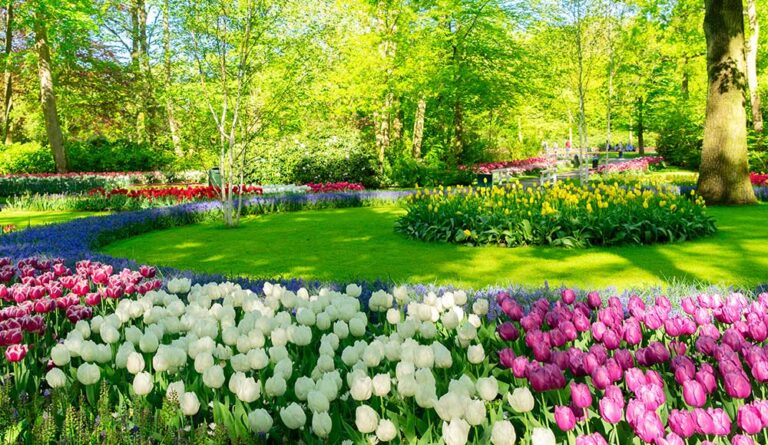
In the world of organic gardening, biodiversity isn’t just a buzzword; it’s a key principle that helps promote a healthy, thriving garden. By planting a variety of species—both in terms of crops and native plants—you encourage a balanced ecosystem that is better able to resist pests, disease, and environmental stressors.
Monocultures, or the practice of planting one crop or species in large numbers, can be tempting for efficiency, but they are often vulnerable to pests and diseases. In contrast, a diverse garden with a mix of flowers, vegetables, herbs, and shrubs attracts beneficial insects, increases soil health, and reduces the spread of diseases. For example, flowers like sunflowers, echinacea, and lavender attract pollinators, while plants like mint and rosemary can help repel pests.
In addition to adding diversity, it’s equally important to incorporate native plants. Native plants are adapted to the local climate and ecosystem, making them more resilient and easier to maintain. They also support local wildlife, such as birds and insects, creating a more vibrant and dynamic outdoor space. Moreover, native plants typically require fewer resources, like water and fertilizers, and are more resistant to pests and diseases compared to non-native species.
6. Composting: Returning Nutrients to the Soil
Composting is one of the cornerstones of organic gardening, and it’s an essential practice that helps close the loop on organic waste. Rather than sending kitchen scraps, yard trimmings, and other organic materials to landfills, composting allows you to recycle these materials and turn them into nutrient-rich humus that can be added back to the soil.
By composting, you reduce waste, improve soil structure, and enhance the fertility of your garden. It’s a simple process that requires minimal equipment—typically just a compost bin or pile—and can be done year-round in most climates. Adding compost to your soil boosts its water-holding capacity, supports beneficial microbes, and enriches the soil with essential nutrients like nitrogen, phosphorus, and potassium.
In addition to reducing waste, composting is an excellent way to ensure that your plants are getting the nutrients they need without resorting to synthetic fertilizers. It’s a self-sustaining practice that benefits both your garden and the environment.
Conclusion
As the world moves toward more sustainable practices, organic gardening offers a pathway toward healthier, more environmentally-conscious outdoor spaces. However, to truly reap the benefits of organic gardening, it’s essential to embrace key practices and components that go beyond basic planting. Rich, well-drained soil, natural pest control, mulching, rainwater harvesting, biodiversity, and composting are all integral to creating a thriving organic garden. By incorporating these organic essentials into your gardening strategy, you’ll not only enhance your outdoor space but also contribute to a more sustainable, balanced ecosystem for future generations.
You May Also Like
Natural Fertilizers That Imp ...
14 December 2025
Turning Gardening Into a Lif ...
07 October 2025
The Role of Patience in Succ ...
06 September 2025
Popular Post


Recent Posts
- How PV Panel Installation Can Reduce Your Energy Costs September 12, 2026
- The Importance of Labeling Boxes During a Move August 5, 2026
- Importance of Property Verification Before Final Purchase March 10, 2026
- How to Label Boxes Efficiently While Moving February 27, 2026
- Emergency Plumbing Situations That Require Immediate Professional Help February 25, 2026
Categories
- Cleaning & Maintenance (8)
- Flooring (4)
- Gardening & Outdoor (9)
- Home Decor (8)
- Home Improvement (7)
- HVAC (7)
- Interior Design (4)
- Moving (9)
- Pest Control (1)
- Plumbing (8)
- Real Estate & Property (8)
- Roofing (9)
- Smart Home (5)
- Solar (1)
Archives
- September 2026 (1)
- August 2026 (1)
- March 2026 (1)
- February 2026 (3)
- January 2026 (2)
- December 2025 (6)
- November 2025 (4)
- October 2025 (7)
- September 2025 (5)
- August 2025 (5)
- July 2025 (1)
- May 2025 (1)
- April 2025 (13)
- March 2025 (11)
- February 2025 (5)
- January 2025 (7)
- December 2024 (2)
- November 2024 (5)
- October 2024 (4)
- September 2024 (3)
- January 2024 (1)