
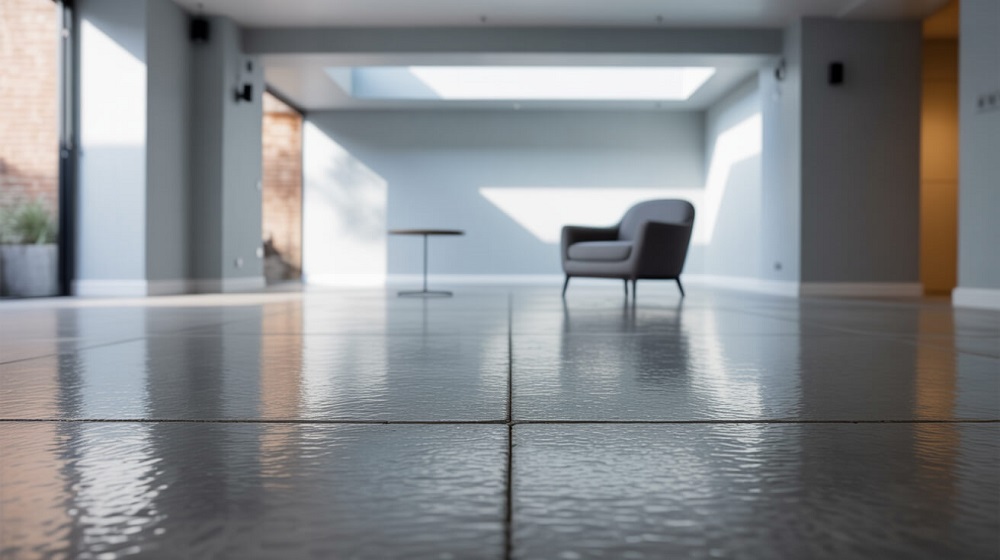
Basements are naturally more vulnerable to moisture than upper floors because they sit below ground level and are surrounded by soil that retains water. Choosing the right flooring material is essential to prevent mold growth, structural deterioration, and long-term maintenance costs. The best basement flooring solutions combine durability, water resistance, and comfort while maintaining a visually appealing finish.
This guide explains the most reliable moisture-resistant basement flooring options, how they perform under damp conditions, and how to select the right solution for your space.
Why Moisture Resistance Matters in Basement Flooring
Basement floors face moisture exposure from several sources, including groundwater seepage, humidity buildup, and condensation from temperature differences. Standard flooring materials such as hardwood and untreated laminate often warp or deteriorate quickly under these conditions.
Moisture-resistant flooring helps:
- Prevent mold and mildew formation
- Protect structural integrity
- Improve indoor air quality
- Extend flooring lifespan
- Reduce maintenance costs
Selecting the correct material ensures long-term performance even in partially damp environments.
Luxury Vinyl Flooring
Luxury vinyl flooring is one of the most dependable options for basements because it is highly resistant to water and humidity.
Key Advantages
- Completely water resistant
- Comfortable underfoot compared to tile
- Available in wood and stone finishes
- Easy installation over concrete subfloors
- Compatible with radiant heating systems
Luxury vinyl planks and tiles maintain their shape even in damp conditions, making them ideal for finished basements used as living areas or entertainment spaces.
Ceramic and Porcelain Tile Flooring
Ceramic and porcelain tiles provide exceptional moisture resistance and durability. Porcelain, in particular, absorbs very little water and performs well in humid environments.
Key Advantages
- Extremely water resistant
- Long service life
- Suitable for high traffic areas
- Resistant to stains and mold growth
- Easy to clean and maintain
Tiles can feel cold underfoot, so they are often paired with area rugs or radiant heating systems for improved comfort.
Epoxy-Coated Concrete Flooring
Epoxy coating transforms standard concrete into a sealed, moisture-resistant surface suitable for basements used as workshops, gyms, or storage areas.
Key Advantages
- Seamless moisture barrier
- Strong resistance to stains and chemicals
- Durable and long lasting
- Enhances appearance of plain concrete
- Low maintenance requirements
Proper surface preparation is essential before applying epoxy to ensure effective adhesion and long-term performance.
Engineered Vinyl Sheet Flooring
Sheet vinyl provides a continuous surface with fewer seams, reducing the risk of water penetration beneath the flooring.
Key Advantages
- Excellent moisture resistance
- Budget friendly solution
- Soft walking surface
- Quick installation
- Available in multiple design patterns
Because it forms a nearly seamless layer, sheet vinyl is especially useful in basements prone to occasional dampness.
Rubber Flooring
Rubber flooring works well in basements used for home gyms, playrooms, or utility areas where durability and water resistance are priorities.
Key Advantages
- Naturally moisture resistant
- Shock absorbing surface
- Slip resistant texture
- Comfortable for extended standing
- Long lasting under heavy use
Rubber tiles are commonly installed as interlocking pieces, making replacement simple if needed.
Sealed Concrete Flooring
Concrete is already the base layer of most basements, and sealing it properly can create an attractive and moisture-resistant finished surface.
Key Advantages
- Minimal material cost
- Strong moisture resistance when sealed
- Modern industrial appearance
- Easy maintenance
- Works well with area rugs and furniture layouts
Sealing prevents water vapor from penetrating the surface and helps maintain indoor comfort.
Subfloor Systems for Additional Protection
Installing a basement subfloor system beneath finished flooring improves moisture resistance and insulation.
Common subfloor solutions include:
- Dimpled membrane panels
- Raised interlocking subfloor tiles
- Foam insulation boards with vapor barriers
These systems create separation between concrete and flooring material, improving durability and comfort.
Factors to Consider Before Choosing Basement Flooring
Selecting the right flooring depends on how the basement will be used and the moisture level present.
Important considerations include:
- Existing moisture conditions
- Intended room function
- Installation budget
- Thermal comfort requirements
- Maintenance expectations
- Compatibility with underfloor heating
Testing moisture levels before installation helps ensure long-term flooring performance.
Installation Tips for Moisture Resistant Basement Floors
Even water resistant flooring materials require proper installation practices.
Recommended steps include:
- Conduct moisture testing on the concrete slab
- Install vapor barriers where necessary
- Repair cracks before flooring installation
- Use moisture resistant adhesives
- Maintain proper ventilation
Following these steps improves durability and prevents hidden damage beneath the flooring surface.
Frequently Asked Questions
Which basement flooring option performs best in high humidity environments
Porcelain tile and luxury vinyl flooring perform exceptionally well because they resist water absorption and maintain structural stability under humid conditions.
Can laminate flooring be used in basements
Traditional laminate flooring is not recommended unless it is specifically labeled as water resistant and installed with a proper moisture barrier system.
Is carpet suitable for basement floors
Carpet can be used if the basement is fully waterproofed, but synthetic carpet tiles with moisture resistant backing are safer than wall to wall carpet.
How can I check if my basement floor has moisture problems
Moisture testing kits and plastic sheet tests can help determine whether water vapor is rising through the concrete slab.
Does sealing concrete completely stop moisture penetration
Sealing reduces moisture movement significantly, but severe groundwater problems may still require additional waterproofing solutions.
What flooring works best for basement home gyms
Rubber flooring is ideal because it provides cushioning, durability, and strong moisture resistance.
Should I install a vapor barrier under basement flooring
Yes, vapor barriers are recommended in most basement installations because they help prevent long-term moisture related damage.
You May Also Like
Bamboo Flooring: Strength, S ...
04 September 2025
Anti-Static Flooring for Spe ...
02 September 2025
Top Tips for Maintaining Bea ...
20 August 2025


