
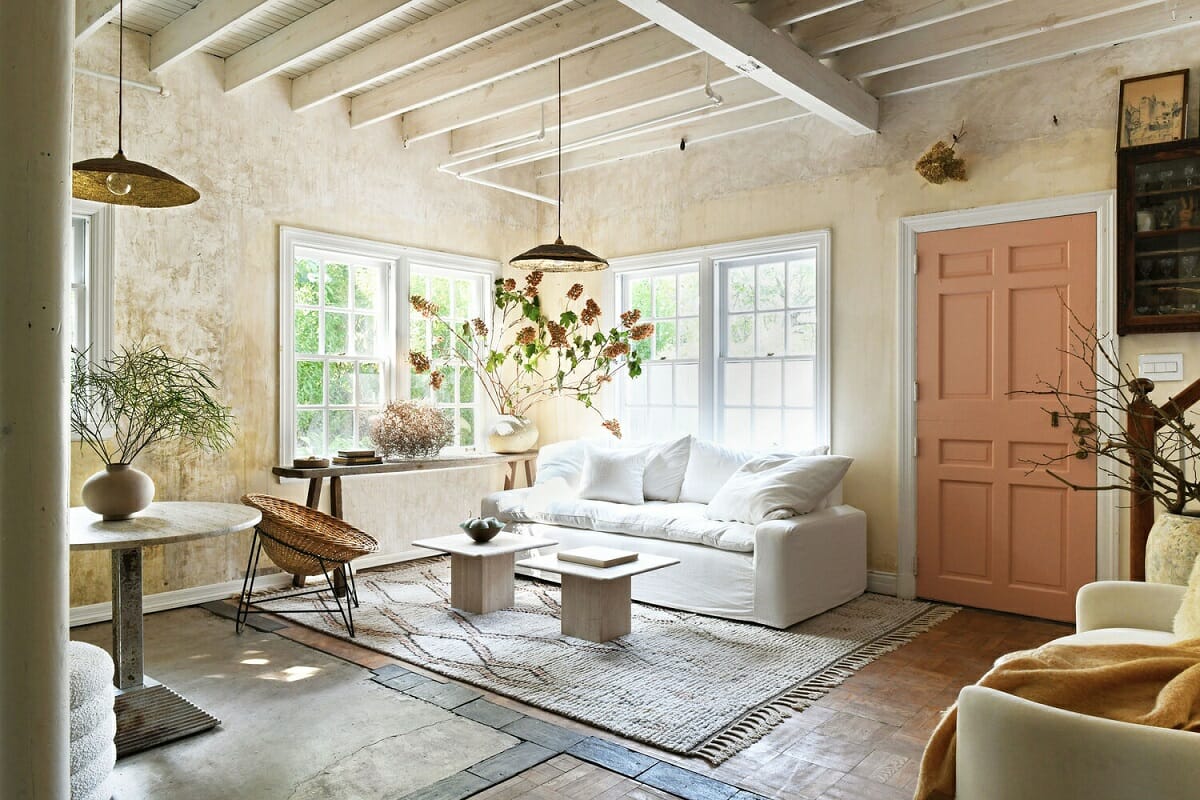
Designing interiors today goes far beyond aesthetics. Homes and workplaces are increasingly expected to support physical health, mental well-being, and environmental responsibility at the same time. Healthy and sustainable interior design focuses on creating spaces that are comfortable, efficient, and mindful of both people and the planet.
By blending thoughtful material choices, smart layouts, and nature-inspired elements, interiors can become restorative environments rather than sources of stress or pollution.
Understanding Healthy and Sustainable Interior Design
Healthy and sustainable interiors aim to reduce environmental impact while improving indoor living conditions. This approach recognizes that people spend most of their time indoors, where air quality, lighting, and materials directly affect long-term health.
Key principles include:
-
Minimizing exposure to toxins and pollutants
-
Conserving energy and natural resources
-
Enhancing comfort, productivity, and emotional balance
When done well, sustainable interiors feel effortless, not restrictive, and support healthier daily routines.
Choosing Materials That Support Well-Being
Material selection plays a central role in both health and sustainability. Many conventional finishes release harmful chemicals that can linger in indoor air for years.
Health-conscious material choices include:
-
Low-VOC or zero-VOC paints to improve indoor air quality
-
Natural materials such as wood, bamboo, cork, and stone
-
Formaldehyde-free furniture and cabinetry
-
Organic or untreated textiles like cotton, linen, and wool
These materials not only reduce health risks but also tend to age gracefully, extending their usable life and reducing waste.
Designing for Better Indoor Air Quality
Poor indoor air quality can contribute to allergies, headaches, fatigue, and respiratory problems. Sustainable interiors prioritize clean air through both design and material selection.
Effective strategies include:
-
Maximizing natural ventilation through operable windows
-
Incorporating indoor plants that help regulate humidity
-
Avoiding synthetic fragrances and harsh cleaning products
-
Using air filtration systems where natural ventilation is limited
Cleaner air creates a noticeable improvement in comfort and overall wellness.
Harnessing Natural Light and Energy Efficiency
Natural light is one of the most powerful tools in healthy interior design. It regulates circadian rhythms, boosts mood, and reduces reliance on artificial lighting.
Ways to enhance daylight and efficiency:
-
Positioning work and living areas near windows
-
Using light-reflective surfaces and soft color palettes
-
Installing energy-efficient LED lighting for evenings
-
Choosing window treatments that balance privacy and daylight
Energy-efficient interiors reduce environmental impact while lowering long-term utility costs.
Embracing Biophilic Design
Biophilic design connects interior spaces with nature, creating environments that feel calming and restorative. This approach has been shown to reduce stress and improve focus.
Common biophilic elements include:
-
Indoor plants and green walls
-
Natural textures and earth-toned colors
-
Views of outdoor landscapes
-
Water features or nature-inspired patterns
Even small natural elements can significantly improve emotional well-being.
Sustainable Furniture and Space Planning
Furniture choices influence both comfort and environmental footprint. Sustainable interiors favor quality over quantity and adaptability over trend-driven design.
Best practices include:
-
Selecting durable, ethically sourced furniture
-
Choosing modular or multifunctional pieces
-
Repurposing or restoring existing furnishings
-
Designing flexible layouts that adapt to changing needs
Thoughtful space planning reduces clutter and encourages mindful living.
Creating Spaces That Support Mental Health
Interior design has a powerful psychological impact. Sustainable, health-focused spaces are designed to reduce stress and promote balance.
Design considerations for mental well-being:
-
Soft, natural color palettes
-
Quiet zones with acoustic control
-
Clear circulation paths to reduce visual chaos
-
Personal touches that create emotional connection
A well-designed interior can feel like a refuge from daily pressures.
Long-Term Benefits of Healthy and Sustainable Interiors
Investing in health-centered sustainable design delivers lasting benefits beyond aesthetics.
Long-term advantages include:
-
Improved physical and mental health
-
Reduced environmental impact
-
Lower energy and maintenance costs
-
Increased property value and longevity
These spaces are not only better to live in but also more resilient over time.
Conclusion
Designing interiors for health and sustainability is a holistic approach that respects both human well-being and environmental limits. By choosing safer materials, maximizing natural resources, and prioritizing comfort and adaptability, interiors can become supportive environments that enhance daily life.
Healthy, sustainable design is not a trend—it is a responsible and forward-thinking way to shape the spaces we inhabit.
Frequently Asked Questions
1. What is the main goal of healthy interior design?
The primary goal is to create indoor environments that support physical health, mental well-being, and comfort while minimizing exposure to harmful substances.
2. How does sustainable interior design help the environment?
It reduces energy consumption, limits waste, and encourages the use of renewable or responsibly sourced materials.
3. Are sustainable interiors more expensive?
Initial costs may be slightly higher, but long-term savings from energy efficiency and durability often offset the investment.
4. Can small homes benefit from sustainable design?
Yes, even small spaces can improve health and sustainability through better lighting, ventilation, and material choices.
5. Do indoor plants really improve indoor environments?
Plants can enhance humidity balance, visual comfort, and psychological well-being, making interiors feel more alive.
6. How can renters apply healthy interior design principles?
Renters can focus on low-VOC paints (with permission), portable air purifiers, natural textiles, and plants.
7. Is sustainable interior design suitable for offices and workplaces?
Absolutely. Sustainable workplaces can improve productivity, reduce sick days, and support employee well-being.
You May Also Like
Furniture Placement Strategi ...
05 February 2026
Designing Interiors for Crea ...
12 September 2025
Mastering Interior Design wi ...
14 August 2025


