
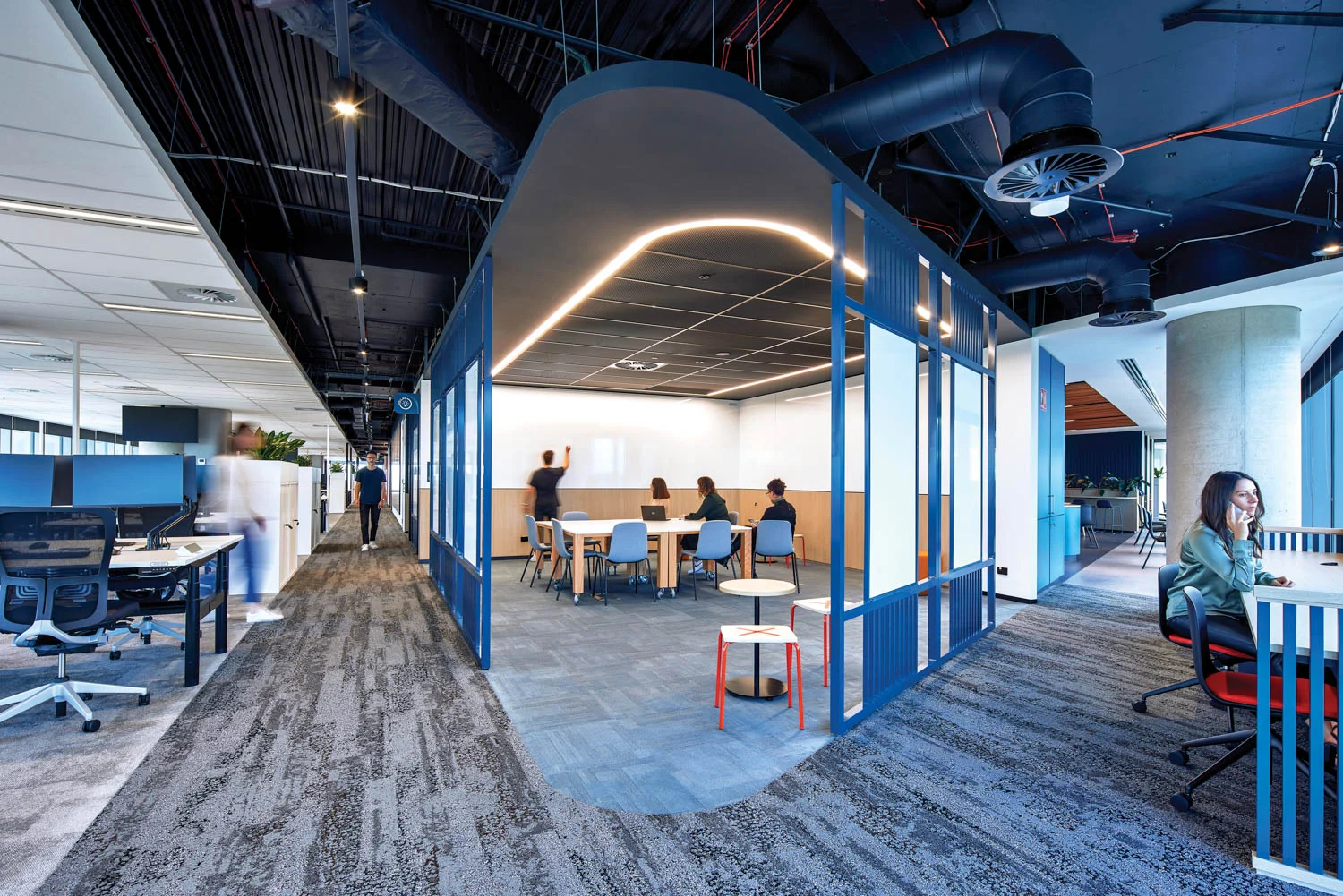
Creative thinkers don’t just occupy spaces—they interact with them. The right interior design can sharpen focus, encourage experimentation, and support moments of deep insight. Designing interiors for creative minds means balancing structure with freedom, comfort with stimulation, and order with intentional chaos.
Understanding How Creative Minds Use Space
Creative people often shift between focused solitude and expressive exploration. Their environments must support both states without friction.
Key behavioral traits to design for:
-
Fluctuating energy levels and work rhythms
-
A need for visual and sensory stimulation
-
Frequent movement between thinking, making, and reflecting
-
Emotional connection to surroundings
Design decisions should respond to how creativity actually happens, not how a space looks in a catalog.
Color Psychology That Fuels Imagination
Color directly affects mood and cognition. For creative interiors, the goal is not trend-following but mental responsiveness.
Effective color strategies include:
-
Soft neutrals (warm whites, greige, sand) as grounding backdrops
-
Accent colors like teal, mustard, or terracotta for inspiration bursts
-
Nature-inspired hues (sage green, sky blue) to reduce mental fatigue
Avoid overloading every surface with color. Creativity thrives when the eye has places to rest.
Layouts That Encourage Flow and Flexibility
Rigid layouts can limit creative output. Flexible spatial planning allows ideas to evolve naturally.
Design principles to prioritize:
-
Open pathways that invite movement
-
Modular furniture that can be reconfigured
-
Clear zones for thinking, making, and recharging
Even small spaces benefit from adaptable layouts that don’t lock the user into one mode of work.
Lighting as a Creative Catalyst
Lighting shapes perception and productivity more than most designers admit.
Best practices for creative interiors:
-
Maximize natural daylight wherever possible
-
Layer lighting: ambient, task, and accent
-
Use warm lighting for brainstorming areas and neutral lighting for focused tasks
Adjustable lighting gives creative thinkers control over their environment, which directly supports mental agility.
Texture, Materials, and Sensory Balance
Creativity is multi-sensory. Texture adds emotional depth and tactile engagement to interiors.
Consider integrating:
-
Natural materials like wood, linen, and stone
-
Matte finishes to reduce glare and distraction
-
Soft textiles balanced with structured surfaces
This contrast creates a space that feels alive without becoming overwhelming.
Personalization Without Visual Chaos
Creative thinkers often collect ideas in physical form—books, art, sketches, objects. The challenge is honoring individuality without clutter.
Smart personalization strategies:
-
Open shelving with intentional spacing
-
Rotating displays for artwork or inspiration boards
-
Closed storage to hide functional clutter
A curated environment keeps inspiration accessible while preserving clarity.
Designing for Mental Well-Being
Creativity suffers in spaces that ignore mental health. Interior design should actively reduce stress and cognitive overload.
Support well-being by:
-
Including quiet corners for reflection
-
Adding plants to improve air quality and mood
-
Ensuring ergonomic furniture for long creative sessions
When the mind feels supported, creative output becomes sustainable.
Technology Integration Without Distraction
Creative interiors should accommodate technology without letting it dominate.
Balanced tech integration includes:
-
Hidden cable management
-
Designated zones for digital work
-
Analog-friendly spaces for sketching or journaling
Technology should serve creativity—not interrupt it.
FAQ: Designing Interiors for Creative Thinkers
1. What makes an interior space truly creative-friendly?
A balance of flexibility, sensory stimulation, and personal expression without overwhelming the user.
2. Are open-plan spaces always better for creatives?
Not necessarily. Many creatives need both open areas and enclosed zones for deep focus.
3. How can small spaces support creative thinking?
Through multifunctional furniture, vertical storage, and thoughtful lighting design.
4. Do creative interiors need bold colors?
Bold accents help, but neutral foundations prevent mental fatigue and visual overload.
5. How important is natural light for creative spaces?
Extremely important. Natural light improves mood, focus, and long-term productivity.
6. Can minimalist design work for creative thinkers?
Yes, if it includes warmth, texture, and room for personal expression.
7. How often should creative interiors be refreshed?
Small updates every few months—like rearranging furniture or rotating art—can reignite inspiration without major redesigns.
You May Also Like
Furniture Placement Strategi ...
05 February 2026
Designing Interiors for Heal ...
25 September 2025
Mastering Interior Design wi ...
14 August 2025


