
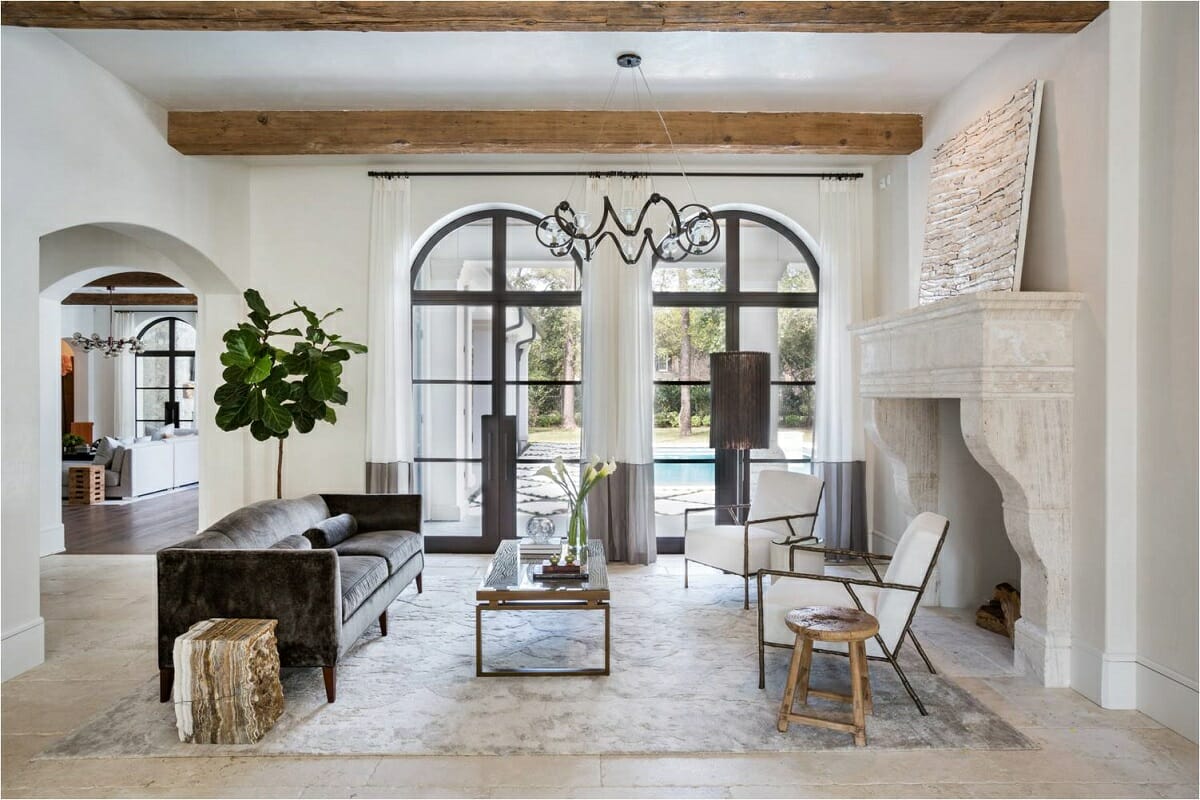
Interior design bridges functionality and beauty to create spaces that offer harmony and a sense of belonging. Within Thai interiors, this balance extends to a thoughtful use of personal and cultural influences, often grounded in traditional aesthetics but welcoming contemporary interpretations. One of the ways to achieve this is by incorporating timeless decorative elements like bas-relief mouldings or intricately carved wooden features. Whether you’re designing a serene living room or a welcoming entranceway, incorporating these details gives your space a certain refinement. To explore options, resources such as https://www.basreliefmouldings.com/ can inspire your creative decisions.
Thailand’s rich history deeply influences its interior design principles. Ornamental wood carvings, lotus motifs, and murals play a significant role in defining the Thai aesthetic. These elements are often paired with neutral palettes, earthy tones, and natural materials to create calm, balanced interiors. By subtly blending these traditional components with timeless design elements like mouldings or archways, you can bring a modern yet authentic dimension to the space while highlighting the country’s unique cultural identity.
Beyond materials, there’s a strong emotional connection embedded in Thai design. It’s about evoking a sense of peace and grounding. One way to reflect this is through symmetrical spaces and decor elements that convey balance. For instance, positioning elegant mouldings around archways or ceilings adds depth and dimension without overpowering other design elements. Such details allow homeowners to enjoy a combination of elegance and subtlety, both valued in Thai culture.
Incorporating Timeless Elements
When choosing decorative pieces, it’s helpful to consider materials that enhance the overall theme while promoting a connection to nature. Bamboo, teak wood, and rattan are staples of Thai interiors, adding both warmth and texture. Combining these organic elements with timeless features like ceiling roses or decorative wall panels can create a bridge between the historical and the contemporary. This approach ensures the design remains grounded while showcasing understated elegance.
Additionally, lighting plays a pivotal role in accentuating these decorative elements. Thai interiors commonly evoke soft, warm lighting, which highlights the intricate textures of wooden frames and detailed embellishments. Pendant lights or lamps that mimic traditional designs can further enhance a space that’s both comfortable and visually captivating.
Maintaining the Balance
The essence of Thai spaces lies in balance, not just visually but emotionally too. Large, open spaces adorned with symmetrical lines and natural elements feel inviting and serene. To complement this, timeless decorative pieces, used sparingly, can elevate the atmosphere, transforming a simple room into a soothing retreat.
For example, consider using mouldings alongside rich textiles, like silk curtains, to reflect the interplay between soft and structured elements. Together, they can create interiors that celebrate both tradition and timeless elegance. The goal is to ensure the area not only feels purposeful but also inspires a sense of calm and cohesiveness.
By combining Thai traditions with universal interior design principles, homeowners can achieve spaces that feel fresh yet timeless. Thoughtful decor, informed by cultural appreciation and an eye for detail, allows for interiors that are not only functional but full of personality. It’s in these considerations that you truly master the art of interior design.
You May Also Like
Furniture Placement Strategi ...
05 February 2026
Designing Interiors for Heal ...
25 September 2025
Designing Interiors for Crea ...
12 September 2025


