

The condition of your home’s plumbing system can have a profound impact on its overall health, value, and comfort. Among the most pressing issues that homeowners face are leaks and drainage problems, both of which can lead to extensive and costly damage if not addressed promptly. Fortunately, proactive measures and solutions exist that can help you improve your home, mitigate potential damage, and ensure the long-term durability of your plumbing system. In this article, we will explore how to identify, address, and improve your home’s plumbing with effective leak and drainage solutions that provide both immediate relief and long-term benefits.
Understanding the Importance of Proper Drainage
Good drainage is essential for maintaining a dry, healthy, and well-functioning home. Improper drainage or blocked drains can lead to water pooling in areas where it shouldn’t be, resulting in serious consequences such as mold growth, weakened foundations, or pest infestations. Effective drainage systems, on the other hand, prevent such issues, safeguard your home’s structural integrity, and contribute to a healthier living environment.
Key Areas to Focus On
-
Foundation and Exterior Drainage: The foundation of your home is one of its most critical components, and ensuring proper drainage around it is vital for long-term stability. Water that pools near the foundation can cause cracks, weaken the structure, and even lead to basement flooding. Therefore, it’s essential to have an effective drainage system that directs water away from the base of your home.
-
Gutters and Downspouts: Clogged gutters and downspouts are one of the most common culprits of poor drainage. If these systems become clogged with debris, water will not flow freely and can back up into your roof, walls, and even foundation. Regular maintenance and cleaning of gutters are crucial to keep water away from sensitive areas.
-
French Drains: A French drain is a trench filled with gravel and a perforated pipe that redirects water away from a particular area. Installing French drains around your home’s foundation or other problematic areas can significantly improve drainage, reducing the risk of water-related damage.
-
Slope and Grading: The ground around your home should slope away from the foundation to direct rainwater and runoff away from the house. Poor grading can lead to water pooling at the base of the foundation, increasing the risk of leaks and structural damage. Simple grading solutions, such as adding soil or installing a drainage trench, can improve the situation.
Identifying and Fixing Leaks
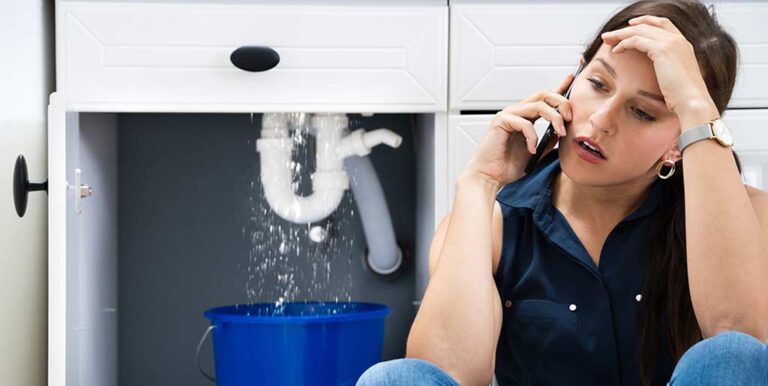
Leaks are another common yet often overlooked problem in the home, and they can range from small drips to large, damaging floods. Whether it’s a leaky faucet, an underground pipe leak, or a crack in a foundation, leaks can lead to escalating water damage, increased utility bills, and the growth of mold and mildew. The sooner you identify and address leaks, the less likely you are to encounter costly repairs down the line.
Common Sources of Leaks
-
Faucets and Fixtures: Leaking faucets or fixtures are perhaps the most common leaks that homeowners encounter. These leaks often result from worn-out washers, corroded seals, or faulty valve components. While these leaks may seem insignificant, they can waste a surprising amount of water over time, raising your water bills and contributing to unnecessary water consumption.
-
Toilets: Toilet leaks, particularly those caused by faulty flappers or broken seals, can lead to silent water wastage. A running toilet can waste hundreds of gallons of water each day without you even noticing. It’s essential to periodically check your toilet for leaks by placing a few drops of food coloring in the tank and waiting an hour. If the water in the bowl changes color, you likely have a leak.
-
Pipes and Plumbing: Leaks within your plumbing system can occur due to corrosion, wear, or poor installation. Sometimes, these leaks are hidden behind walls or underground, making them difficult to detect. However, if left unchecked, they can cause significant water damage, mold growth, and even compromise your home’s foundation.
-
Roof and Attic Leaks: Roof leaks can sometimes be mistaken for plumbing leaks, especially if they cause water to drip into walls or ceilings. These leaks often result from damaged shingles, flashing, or poorly sealed roof vents, allowing rainwater to seep into your home. Attic leaks, often caused by clogged or improperly vented pipes, can lead to severe structural damage and insulation issues.
How to Fix Leaks
-
Seal Faucets and Fixtures: If your faucets are leaking, replacing worn-out washers or seals is a relatively simple task that can be done without professional help. Ensure that you turn off the water supply before making repairs, and always use high-quality replacement parts to ensure long-term durability.
-
Repair Toilet Leaks: If you discover a leaky toilet, replacing the flapper or seal is typically all that’s needed. If the toilet continues to run, you may need to replace the fill valve or flush valve. For more complex leaks, such as those coming from the base of the toilet, it may be necessary to reseal the toilet or replace the wax ring.
-
Fix Leaking Pipes: Leaks in pipes require immediate attention, especially if they’re hidden within walls or underground. A plumber can use leak detection tools to locate and repair the leak. If the pipe is easily accessible, you may be able to apply a temporary fix using pipe sealant, but it’s always advisable to have the pipe replaced or repaired by a professional.
-
Address Roof Leaks: Roof leaks require a more specialized approach. You can start by inspecting the roof for visible damage such as cracked shingles or gaps in flashing. However, for persistent or widespread leaks, it’s best to hire a roofing professional to assess and repair the damage. An attic inspection can also help identify leaks in the roofing system that might not be immediately apparent.
Improving Leak and Drainage Solutions
While fixing existing leaks and drainage problems is essential, it’s equally important to improve your home’s overall systems to prevent future issues. By investing in quality upgrades and regular maintenance, you can avoid unnecessary repair costs and improve your home’s functionality and comfort.
Upgrade Your Drainage System
If your home experiences frequent flooding or drainage issues, upgrading your drainage system can offer long-term relief. Installing French drains, sump pumps, or foundation drains can effectively redirect water away from vulnerable areas and prevent future water-related problems. In areas with frequent heavy rainfall, these upgrades are particularly beneficial in reducing water pooling and foundation damage.
Install a Leak Detection System
For homes with older plumbing systems or those prone to hidden leaks, installing a leak detection system can be a wise investment. These systems use sensors to detect leaks in your plumbing or foundation and send alerts to your smartphone, allowing you to take action before the leak causes significant damage. These proactive systems help you stay ahead of any issues and can save you thousands of dollars in repair costs.
Regular Maintenance
Regular maintenance is key to preventing leaks and drainage issues from escalating. This includes cleaning gutters and downspouts, inspecting plumbing pipes for signs of corrosion, and ensuring that your sump pump is working correctly. Regularly checking the grading around your home and ensuring that the landscaping is directing water away from the foundation can also go a long way in preventing drainage problems.
Consider Waterproofing Solutions
For homes in flood-prone areas or those with existing drainage issues, waterproofing solutions can provide added protection. Applying waterproof coatings to exterior walls or installing a basement waterproofing system can significantly reduce the risk of water intrusion and damage. Additionally, sealing cracks in the foundation or walls with high-quality sealants can prevent future leaks from occurring.
Conclusion
Addressing leaks and drainage issues in your home not only improves its comfort and functionality but also protects your property from expensive and often irreversible damage. By identifying common leak sources, upgrading drainage systems, and taking a proactive approach to maintenance, you can safeguard your home from the dangers of water damage. Whether it’s fixing a leaky faucet, installing a French drain, or investing in a leak detection system, the solutions available to homeowners today make it easier than ever to keep your plumbing system running smoothly. By taking these steps, you can not only improve your home’s plumbing but also save time, money, and stress in the long run.
You May Also Like
Emergency Plumbing Situation ...
25 February 2026

Behind the Scenes of a Plumb ...
24 November 2025

The Importance of Licensed P ...
27 October 2025
Popular Post


Recent Posts
- How PV Panel Installation Can Reduce Your Energy Costs September 12, 2026
- The Importance of Labeling Boxes During a Move August 5, 2026
- Importance of Property Verification Before Final Purchase March 10, 2026
- How to Label Boxes Efficiently While Moving February 27, 2026
- Emergency Plumbing Situations That Require Immediate Professional Help February 25, 2026
Categories
- Cleaning & Maintenance (8)
- Flooring (4)
- Gardening & Outdoor (9)
- Home Decor (8)
- Home Improvement (7)
- HVAC (7)
- Interior Design (4)
- Moving (9)
- Pest Control (1)
- Plumbing (8)
- Real Estate & Property (8)
- Roofing (9)
- Smart Home (5)
- Solar (1)
Archives
- September 2026 (1)
- August 2026 (1)
- March 2026 (1)
- February 2026 (3)
- January 2026 (2)
- December 2025 (6)
- November 2025 (4)
- October 2025 (7)
- September 2025 (5)
- August 2025 (5)
- July 2025 (1)
- May 2025 (1)
- April 2025 (13)
- March 2025 (11)
- February 2025 (5)
- January 2025 (7)
- December 2024 (2)
- November 2024 (5)
- October 2024 (4)
- September 2024 (3)
- January 2024 (1)