How to Improve Your Home with Pipes and Tools

A home is more than just a structure of walls and roofs; it is a sanctuary, a place where comfort and functionality should coexist seamlessly. One crucial yet often overlooked aspect of ensuring that both comfort and functionality are maintained is through proper plumbing. Whether you’re remodeling your kitchen, upgrading your bathroom, or simply looking to improve your home’s overall plumbing efficiency, understanding how pipes and tools work together to enhance your living space can lead to significant improvements. From water supply systems to drainage, pipes are integral to almost every aspect of your home’s infrastructure. By learning how to use the right tools and understanding the critical role of pipes, you can tackle issues with ease, save money, and ensure your home runs smoothly.
Understanding the Role of Pipes in Your Home
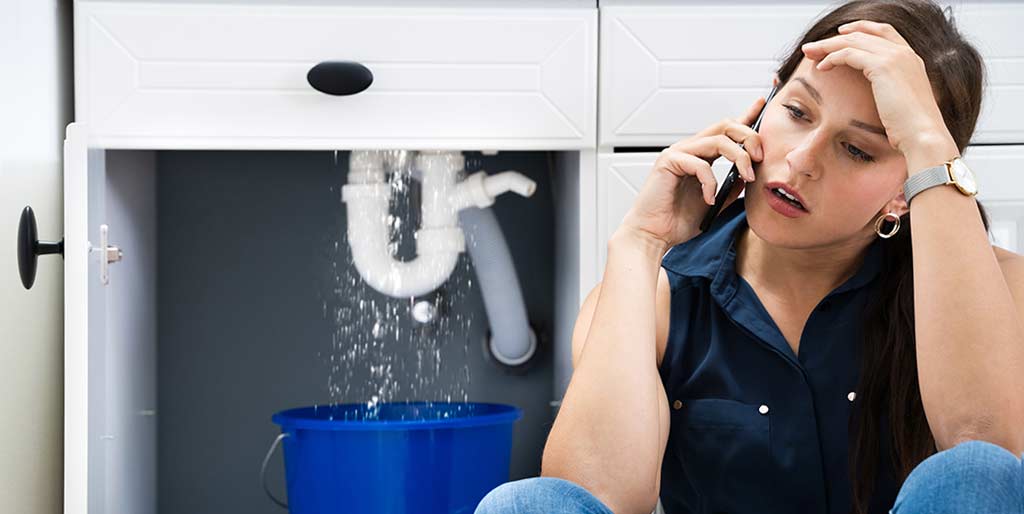
Pipes are the silent workers of your home, serving as conduits for water, gas, and waste. While often hidden behind walls or under floors, their performance directly affects your day-to-day life. Whether it’s delivering clean water to your faucets, guiding wastewater to the sewer, or heating your home, the pipes you choose and how well they are installed can make a huge difference. Over time, pipes can suffer from wear and tear, leaks, clogs, or corrosion, which can lead to inefficiencies, increased utility bills, and even water damage.
Improving your home’s plumbing system with the right pipes and using appropriate tools can not only address immediate issues but also prevent future problems. Here are some key considerations when it comes to improving your home with pipes and the tools that make it possible.
1. Choosing the Right Pipes for Your Home
The first step in improving your home’s plumbing system is ensuring that you’re using the correct type of pipes for the job. There are several materials available, each suited for specific needs and environments. Let’s break down some of the most common materials:
Copper Pipes
Copper pipes have long been a staple in plumbing due to their durability, resistance to corrosion, and ability to withstand high temperatures. Copper is ideal for both hot and cold water supply lines and can last up to 50 years or more with proper maintenance. They are also non-toxic, making them safe for drinking water.
When to Use: Copper is perfect for areas that require long-lasting solutions. Consider copper pipes for main water lines or in areas where aesthetics matter, as they have a polished, sleek appearance.
PVC Pipes
Polyvinyl chloride (PVC) is a lightweight, affordable, and corrosion-resistant option. It is particularly useful for cold-water systems and drainage lines. PVC pipes are easy to install and can be cut and joined with simple adhesives, making them a DIY-friendly choice for homeowners.
When to Use: PVC is ideal for drain lines, vent pipes, and waste systems. It’s also commonly used in irrigation and rainwater systems due to its ability to withstand exposure to weather elements.
PEX Pipes
Cross-linked polyethylene (PEX) pipes are flexible and resistant to freezing, making them a top choice for plumbing in colder climates. PEX is easy to install, especially in retrofitting projects, as it can be snaked into walls without the need for multiple fittings. Unlike copper, PEX does not corrode or develop scale.
When to Use: PEX is great for both hot and cold water distribution, and it’s particularly useful in home renovations or areas where freezing is a concern. It’s also a favorite for radiant heating systems.
Galvanized Steel Pipes
Galvanized steel pipes were once common in older homes, but they have largely fallen out of favor due to their susceptibility to rust and corrosion. Over time, the buildup inside these pipes can restrict water flow and reduce water pressure.
When to Use: If your home still uses galvanized steel pipes, it’s best to replace them with more modern materials, such as PEX or copper, to avoid clogs and leaks. However, for new installations, galvanized steel is no longer a recommended choice.
2. Tools for Pipe Installation and Maintenance
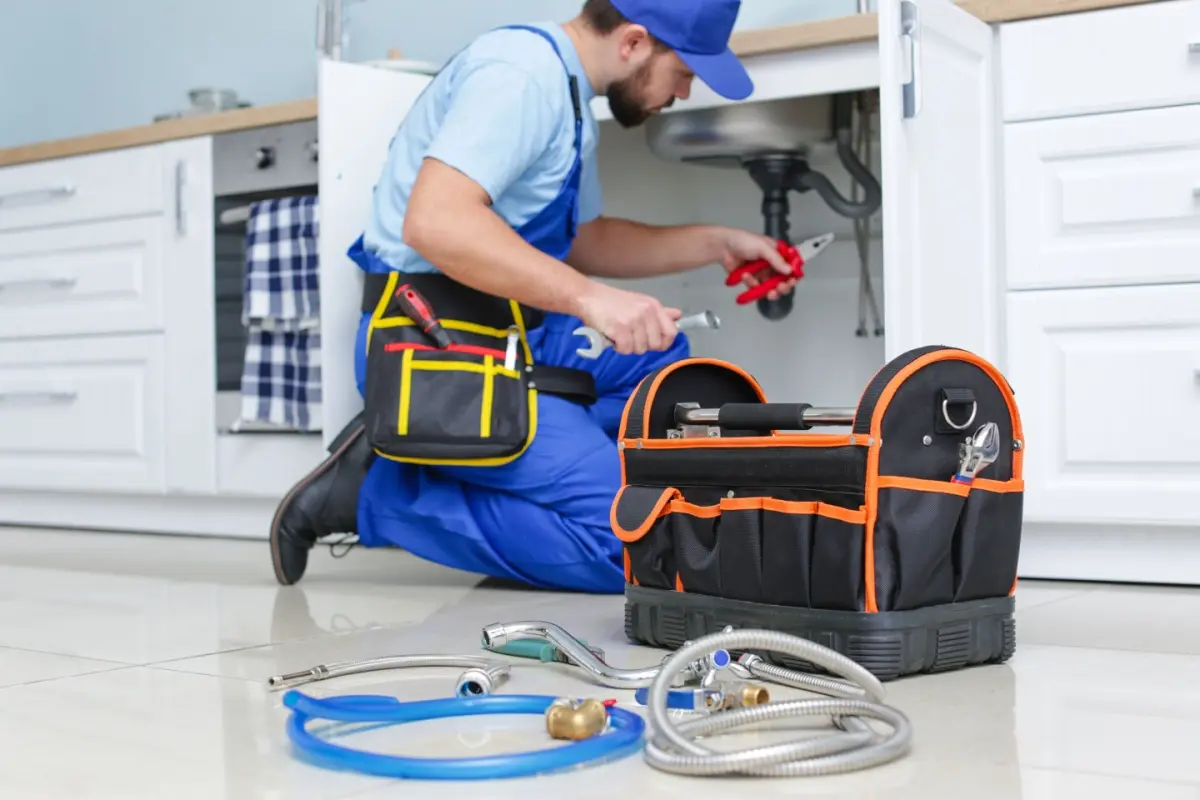
Having the right tools for the job is equally as important as choosing the right materials. Plumbing tools make pipe installation, maintenance, and repairs easier and more efficient. Here are some essential tools you should have for working with pipes:
Pipe Wrenches
A pipe wrench is a must-have for gripping and turning pipes during installation or removal. It’s designed to handle heavy-duty plumbing tasks and can apply a lot of torque, making it essential for dealing with stubborn pipes or fittings.
Tip: Keep a few sizes of pipe wrenches on hand to accommodate different pipe diameters. Using the wrong size can damage pipes or make your job harder.
Pipe Cutters
For clean, precise cuts, pipe cutters are indispensable. Whether you’re working with copper, PVC, or PEX pipes, using a pipe cutter ensures a straight, smooth cut, which is important for proper fittings and connections.
Tip: When cutting copper pipes, use a tubing cutter to avoid crimping or distorting the pipe. This will make it easier to install fittings and avoid leaks.
Pipe Benders
If you’re working with copper or PEX pipes, you may need to bend the pipe to fit a particular configuration. While PEX is somewhat flexible, copper requires a pipe bender to avoid kinking and weakening the pipe. Pipe benders ensure smooth, controlled bends, making installation easier.
Tip: Invest in a high-quality pipe bender with adjustable settings to ensure a perfect curve every time.
Plumbing Sealant and Tape
Plumbing sealants and Teflon tape are essential for preventing leaks at joints and connections. Teflon tape is typically used on threaded connections to create a tight seal, while sealants are often used on threaded or non-threaded fittings to prevent water from escaping.
Tip: When using Teflon tape, wrap it around the threads in the direction of tightening to ensure a secure seal.
Plungers and Augers
For dealing with clogs, plungers and drain augers are invaluable tools. A plunger is often enough for clearing minor blockages, while a drain auger (or plumber’s snake) is perfect for more stubborn clogs deep in the pipes. For more severe blockages, a powered drain cleaning tool may be necessary.
Tip: Use a plunger for simple sink or toilet blockages, but for recurring or severe clogs, don’t hesitate to call a professional to inspect your system.
3. DIY Plumbing Repairs: Simple Fixes to Improve Your Home
One of the biggest advantages of understanding the relationship between pipes and tools is the ability to perform simple repairs or upgrades yourself. This can save you time and money and help you maintain a comfortable, efficient home. Here are a few simple DIY projects you can take on with your plumbing tools:
Fixing Leaky Faucets
A dripping faucet wastes water and drives up utility bills. To repair a leaky faucet, you will need to turn off the water supply and disassemble the faucet to replace worn-out washers or seals. Pipe wrenches and small screwdrivers are typically all you need for this simple fix.
Replacing Old Pipes
If your home has old, corroded pipes that are affecting water pressure, it may be time to replace them. Using a pipe cutter, you can remove damaged sections and replace them with new PVC or PEX pipes. Be sure to properly seal connections with Teflon tape or pipe sealant to avoid future leaks.
Clearing Blocked Drains
Clogged drains are an all-too-common issue in the home, especially in kitchens and bathrooms. Using a drain auger or plunger, you can often clear the blockage without needing professional help. If the clog is particularly stubborn, you may need to remove the trap under the sink for a deeper clean.
Installing a New Showerhead or Faucet
Upgrading your showerhead or faucets is an easy way to improve both the functionality and aesthetics of your bathroom. Using a wrench, you can easily detach old fixtures and install new ones to improve water flow, efficiency, and design. This is a simple and inexpensive upgrade that can make a significant difference.
4. When to Call in a Professional
While many plumbing tasks are straightforward and can be tackled with the right tools and a bit of knowledge, some projects may require the expertise of a licensed plumber. If you’re dealing with major leaks, pipe bursts, or complex installations (such as installing a new water heater or rerouting plumbing), it’s best to call in a professional. Plumbers have the training, experience, and tools to handle complex systems and ensure that the work is done correctly and safely.
Conclusion
Improving your home with the right pipes and plumbing tools can be a rewarding and cost-effective way to enhance your living space. By understanding the different types of pipes available and investing in essential plumbing tools, you can tackle many maintenance tasks on your own. Whether it’s upgrading old pipes, clearing clogged drains, or installing a new faucet, the knowledge of how to use pipes and tools effectively will improve both your home’s functionality and your own peace of mind. Keep in mind, while DIY projects are great for minor fixes, don’t hesitate to call in a professional when dealing with more complicated issues to ensure the longevity and efficiency of your home’s plumbing system.