

A clean home is a welcoming home, and while regular cleaning ensures that your space remains functional and presentable, a deep clean takes it to a whole new level. Deep cleaning is an essential aspect of home maintenance, and it goes beyond the surface to target areas that are often overlooked in routine cleaning. Whether you’re preparing for a seasonal refresh, moving in or out, or simply aiming to restore your home to its pristine condition, mastering the art of deep cleaning can greatly enhance the longevity and cleanliness of your space.
In this step-by-step guide, we will walk you through the process of a thorough deep clean, focusing on specific tasks, essential tools, and cleaning techniques to make your home sparkle and shine like never before.
1. Understand the Importance of Deep Cleaning
Before diving into the process, it’s essential to understand the significance of deep cleaning. Unlike regular cleaning, which generally focuses on maintaining surface cleanliness, deep cleaning involves tackling hidden areas, ingrained dirt, and built-up grime that can accumulate over time. These areas may include baseboards, behind appliances, and ventilation systems, where dust, dirt, and allergens can settle. Deep cleaning not only improves the overall appearance of your home but also helps create a healthier environment by removing potential sources of allergens and bacteria.
2. Prepare Your Tools and Supplies
A successful deep clean starts with the right tools and cleaning products. Here’s a list of must-have supplies that will make the process more efficient:
-
Microfiber cloths for dusting and wiping surfaces without leaving streaks or fibers behind.
-
Scrub brushes in different sizes for tackling tough grime and hard-to-reach areas.
-
Vacuum cleaner with attachments for thorough cleaning of floors, carpets, and upholstery.
-
Broom and dustpan for sweeping up dirt in smaller areas.
-
Mop and bucket for cleaning floors, especially hardwood or tile.
-
All-purpose cleaner that’s effective for most surfaces.
-
Glass cleaner for mirrors and windows.
-
Disinfectant or antibacterial cleaner to sanitize high-touch areas.
-
Oven cleaner and degreaser for tackling kitchen appliances.
-
Baking soda and vinegar, which are excellent natural cleaners for tough stains and odors.
Having these tools on hand will help streamline the process and ensure you’re ready to tackle every part of your home.
3. Create a Cleaning Plan
A deep clean can be an overwhelming task if you don’t approach it strategically. Creating a cleaning plan is essential for staying organized and ensuring that every corner of your home gets the attention it deserves. Here’s how to break it down:
3.1. Room-by-Room Focus
Tackling one room at a time ensures you don’t spread yourself too thin. Here’s a step-by-step breakdown for each room:
-
Living Room and Bedrooms: Start by dusting light fixtures, ceiling fans, and baseboards. Move onto furniture, vacuuming under and behind pieces to catch any dust or debris that may have settled over time. Clean all upholstered furniture, including vacuuming fabric and wiping down leather. Finally, wash windows, and clean any decorative items or picture frames.
-
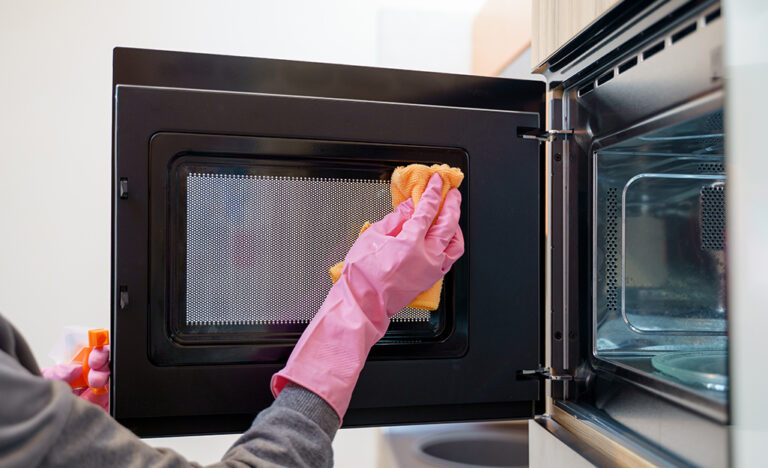
Kitchen: Begin with the hardest-working appliances: the stove, oven, and refrigerator. Remove all food debris and clean the insides using specialized cleaners or a mixture of baking soda and vinegar. Clean countertops, scrub sinks, and don’t forget the often-overlooked microwave. Empty and sanitize your cabinets, and ensure that your pantry is organized. Sweep and mop the floor, and make sure to clean the baseboards and any corners where crumbs may gather.
-
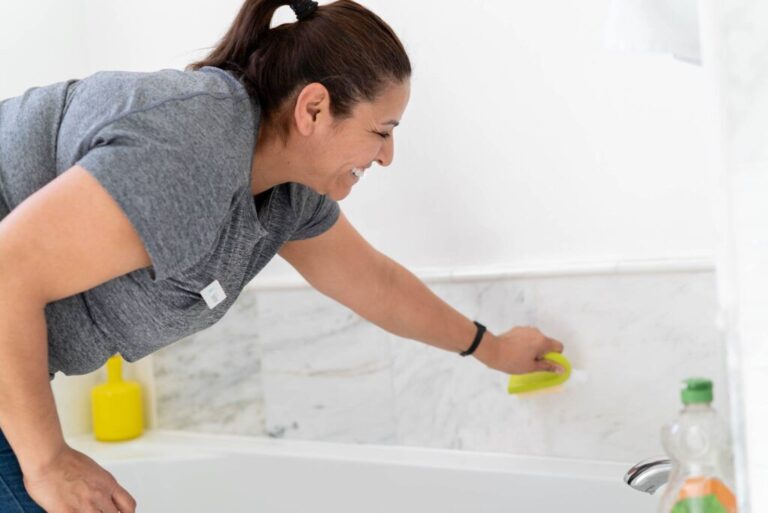
Bathroom: Start by cleaning mirrors, sinks, and countertops. Scrub the toilet with a disinfectant cleaner and focus on the grout in the shower or tub. Pay close attention to areas that accumulate soap scum, such as showerheads and faucets. Wipe down any shelves, and sanitize high-touch areas like light switches and towel bars. Lastly, mop the floor and clean the bathroom vents and exhaust fans.
-
Entryways and Hallways: These often-neglected areas can collect dust and dirt over time. Sweep or vacuum floors, wipe down light fixtures, and clean any surfaces like consoles or coat racks.
3.2. High-Traffic Areas First
Begin by focusing on high-traffic areas where dirt and grime accumulate more quickly. This will give you a sense of accomplishment early on and ensure the most used spaces are cleaned first.
4. Tackle the Tough Areas
Once you’ve covered the basics, it’s time to focus on the more challenging and often forgotten areas that contribute to the overall cleanliness of your home:
-
Behind and Under Furniture: Move large furniture pieces like sofas, chairs, and tables to access the areas underneath. This is often where dust bunnies, pet hair, and food crumbs accumulate. A handheld vacuum or broom will help clear away debris.
-
Baseboards and Corners: Baseboards tend to accumulate dust and grime over time. Use a microfiber cloth to wipe them down, or scrub stubborn stains with a damp cloth and a gentle cleaner. Don’t forget to clean the corners of your walls where dust and cobwebs like to hide.
-
Air Vents and Ducts: Over time, air vents can collect dust, dirt, and even mold. Use a vacuum with a brush attachment to clean vents and ducts. Replace or clean air filters to ensure your HVAC system is functioning efficiently and circulating clean air.
-
Windows and Window Tracks: Clean your windows inside and out to allow natural light to shine through. Use a glass cleaner for streak-free results, and don’t forget the window tracks, which often gather dust, dirt, and even mold. A small brush and cleaning solution can help tackle these hard-to-reach spots.
-
Light Fixtures and Ceiling Fans: Light fixtures and ceiling fans can accumulate dust and grime. Remove light bulbs and wipe down fixtures with a microfiber cloth, cleaning products, and a gentle scrub brush for tougher spots. For ceiling fans, use a pillowcase to gently wipe off the dust on the blades—this helps trap the dust instead of scattering it in the air.
5. Focus on Specific Cleaning Techniques
Certain areas require specialized cleaning techniques to ensure that you’re doing a thorough job:
-
Grout and Tiles: Grout lines, especially in kitchens and bathrooms, can accumulate mold, mildew, and stains. Use a grout cleaner or create a paste from baking soda and water to scrub the grout. A toothbrush can help get into small crevices. For tiles, use a non-abrasive cleaner to avoid scratching the surface.
-
Carpets and Upholstery: Deep cleaning carpets and upholstery may require a steam cleaner or professional cleaning service. You can also use a vacuum with a deep-cleaning attachment to remove embedded dirt. For upholstery, vacuum and spot clean any stains with appropriate cleaning products.
-
Kitchen Appliances: Your oven and refrigerator can benefit from specialized cleaning techniques. Use a degreaser for your stovetop and oven, and be sure to clean refrigerator coils to improve energy efficiency. Empty out the fridge regularly to prevent food buildup.
6. Don’t Forget the Final Touches
Once the heavy-duty tasks are done, give your home a final once-over:
-
Fluff pillows, rearrange decor, and fold towels neatly.
-
Spray a refreshing room scent or use an essential oil diffuser to add a pleasant fragrance to your clean home.
-
Check for missed spots—sometimes after a deep clean, a second set of eyes can help spot areas you may have missed.
7. Create a Maintenance Plan
Deep cleaning is not a one-time task. To maintain a clean home, set up a routine maintenance schedule. Consider incorporating regular tasks such as wiping down surfaces, vacuuming high-traffic areas, and decluttering every few weeks. This will reduce the amount of time and effort required for your next deep clean.
Conclusion
Mastering the art of deep cleaning requires dedication, organization, and the right tools. By tackling your home one step at a time, focusing on tough-to-reach areas, and following a systematic approach, you’ll not only improve the cleanliness and aesthetic of your home but also ensure that it remains a healthy, comfortable environment. Deep cleaning may take time and effort, but the results are well worth it—transforming your home into a spotless, serene space that is a joy to live in.
You May Also Like

Eco-Friendly Cleaning Hacks ...
09 December 2025
Rise of Non-Toxic Cleaning S ...
09 December 2025
Safe Cleaning Practices for ...
14 May 2025


