

Landscaping is much more than just arranging plants and placing decorative elements in an outdoor space. It is an art form and a science, blending aesthetics, functionality, and sustainability to create an outdoor environment that enhances the beauty and usability of your property. Whether you’re looking to design a peaceful garden retreat, cultivate a vegetable garden, or simply improve the curb appeal of your home, landscaping is the key to achieving a harmonious outdoor space. This comprehensive guide covers everything you need to know about landscaping for gardening and outdoor areas, from basic design principles to the practical tips and tools that can help you bring your vision to life.
1. Understanding Landscaping: More Than Just Gardening
At its core, landscaping involves the modification of visible features of an area, including natural elements like terrain, plants, water features, and structures. Unlike gardening, which typically focuses on plant cultivation, landscaping encompasses a broader scope that incorporates both the aesthetic and functional aspects of an outdoor space. A successful landscaping design will address the following:
-
Aesthetic Appeal: Creating a visually pleasing environment that complements the natural surroundings, the architecture of the home, and the preferences of the homeowner.
-
Functionality: Designing the space to serve practical needs, such as providing areas for outdoor entertaining, recreation, or relaxation.
-
Sustainability: Incorporating eco-friendly practices that conserve water, reduce waste, and promote biodiversity, ensuring that the landscape thrives for years to come.
Landscaping is a holistic approach to outdoor design, and it should consider the long-term health of the environment as well as the immediate needs of the space.
2. Key Elements of Landscaping Design
A successful landscape design is one that thoughtfully integrates various elements to create a balanced and cohesive outdoor environment. Below are the key elements to consider when embarking on a landscaping project:
1.1. Plants and Greenery
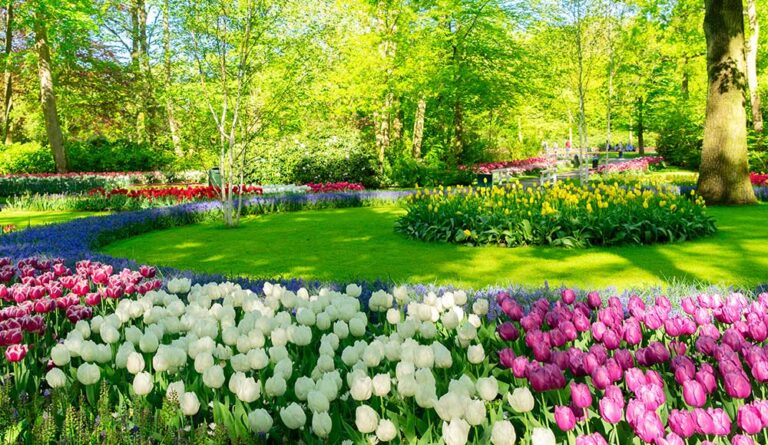
The most obvious feature of any landscape is its plants. From lush lawns and vibrant flower beds to towering trees and ground covers, plants are the backbone of any garden or outdoor space. However, not all plants are suitable for every environment, so careful selection is essential. Consider the following when choosing plants for your landscape:
-
Climate: Choose plants that are well-suited to your local climate and hardiness zone. Native plants are often the best choice, as they are adapted to the local environment and require less maintenance.
-
Soil Type: Different plants thrive in different soil conditions. Conduct a soil test to determine its composition (clay, sandy, or loamy) and pH level, and select plants that will thrive in those conditions.
-
Sunlight and Shade: Some plants require full sun, while others prefer partial or full shade. Assess how much sunlight each area of your outdoor space receives throughout the day to match plants with the appropriate lighting conditions.
1.2. Hardscaping
Hardscaping refers to the non-plant elements in your landscape design, such as pathways, patios, decks, fences, retaining walls, and outdoor structures like pergolas or gazebos. These features add structure, functionality, and visual interest to your outdoor space. When designing your hardscape, consider the following:
-
Materials: Choose materials that complement your home’s architectural style and the natural surroundings. Stone, brick, wood, and gravel are popular hardscaping materials, each offering unique textures and visual appeal.
-
Purpose: Think about how each hardscaping element will be used. For example, a well-placed patio can serve as a space for outdoor dining, while a retaining wall may be necessary for managing slope or preventing soil erosion.
1.3. Water Features
Water features, such as fountains, ponds, waterfalls, and streams, can transform an ordinary landscape into a serene retreat. The sound of flowing water adds a calming atmosphere, while the visual appeal of a well-designed water feature can serve as a focal point for the garden. When incorporating water features into your landscape:
-
Size and Scale: Ensure that the size of the water feature is in proportion to your garden. A small pond may be ideal for a compact space, while a larger property may benefit from a more elaborate waterfall or stream.
-
Maintenance: Consider the level of maintenance required. Ponds and streams need regular cleaning and water quality management, while fountains may require occasional repairs.
1.4. Lighting
Outdoor lighting is an essential element of landscape design, allowing you to extend the use of your outdoor space into the evening hours while adding dramatic effect to your garden. Thoughtful placement of lighting can highlight key features such as trees, statues, or water features, while also providing safety and visibility along paths and walkways. Options include solar-powered lights, LED fixtures, and low-voltage lighting systems.
3. Design Principles for a Harmonious Landscape
Achieving a balanced and aesthetically pleasing landscape requires an understanding of basic design principles. Here are a few concepts to keep in mind:
2.1. Unity and Consistency
One of the most important principles of landscape design is unity—creating a sense of cohesion across your outdoor space. This can be achieved through consistent use of materials, colors, and textures throughout the design. Whether you’re using a particular type of stone for your patio and pathways or selecting plants with complementary hues, unity ensures that the design feels harmonious and well-integrated.
2.2. Balance and Symmetry
Balance refers to the visual weight of different elements within the landscape. Symmetrical balance involves creating mirrored designs on either side of a central axis, while asymmetrical balance focuses on achieving equilibrium without identical mirror images. Both types of balance can be effective, depending on the desired look. Symmetrical gardens tend to have a formal, traditional feel, while asymmetrical designs tend to be more casual and organic.
2.3. Proportion and Scale
Proportion and scale are about ensuring that the elements in your landscape are appropriately sized in relation to each other. Large trees may dominate a small yard, while tiny shrubs could be lost in a spacious garden. It’s essential to assess the size of your outdoor space and choose plants and hardscape features that suit its scale.
2.4. Focal Points
A focal point is an area or feature in the landscape that naturally draws the eye. This could be a striking tree, a water feature, or a beautifully designed garden sculpture. A well-placed focal point provides structure and guides the viewer’s attention, creating a sense of order and intention in the landscape.
4. Practical Tips for Landscaping Success
Once you have a general understanding of the elements and principles of landscaping, there are several practical considerations to keep in mind to ensure your landscaping project is successful:
3.1. Plan Your Design
Start with a clear plan. Sketch your ideas on paper, including the layout of plants, hardscaping elements, and any outdoor structures. Consider the flow of space and how people will interact with different areas of your garden.
3.2. Start Small and Scale Gradually
If you’re new to landscaping, it’s a good idea to start with a small area of your garden and gradually expand as you gain confidence. This allows you to experiment with different plants and designs without feeling overwhelmed.
3.3. Consider Maintenance
Choose plants that are suitable for your gardening skills and the amount of maintenance you’re willing to commit to. Low-maintenance plants and smart irrigation systems can help reduce the time and effort needed to keep your landscape looking beautiful.
3.4. Work with Professionals
If your landscaping project involves complex features, such as building retaining walls, installing large water features, or designing an extensive hardscape, consider working with a landscape architect or designer. Professionals can help you create a plan that is not only visually appealing but also practical and sustainable.
5. Conclusion
Landscaping is a transformative process that can breathe new life into your outdoor space. By carefully considering the elements of design, from plants and hardscaping to lighting and water features, you can create a garden that reflects your personal style while also meeting your practical needs. Whether you’re looking to cultivate a tranquil oasis, increase the curb appeal of your home, or create an outdoor space for entertaining, landscaping provides endless possibilities for improvement and innovation. By understanding the principles of design, incorporating sustainable practices, and taking a thoughtful approach to maintenance, you’ll ensure that your landscape flourishes for years to come.
You May Also Like

Natural Fertilizers That Imp ...
14 December 2025
Turning Gardening Into a Lif ...
07 October 2025
The Role of Patience in Succ ...
06 September 2025


