
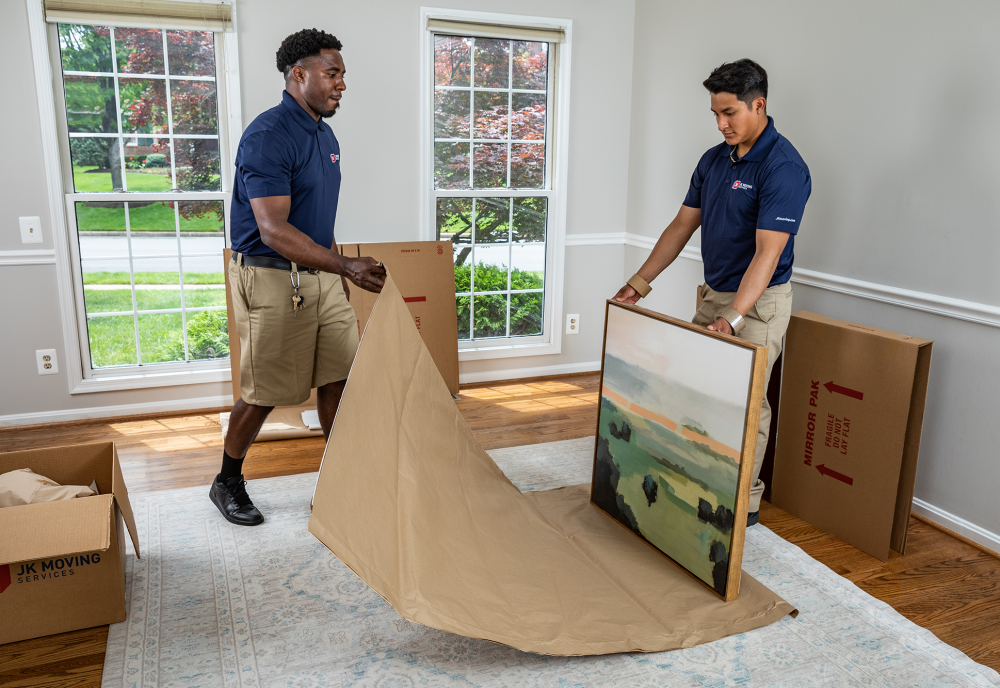
Moving is one of those life events that looks simple on paper but quickly becomes complex in practice. Between packing, lifting, scheduling, and the emotional weight of leaving a place behind, the choices you make can shape your entire moving experience. One of the biggest decisions you’ll face is whether to hire full-service movers or take the DIY moving route.
Both options have clear advantages and trade-offs. The right choice depends on your budget, timeline, physical ability, and tolerance for stress. This guide breaks everything down so you can decide with confidence.
What Is Full-Service Moving?
Full-service moving means hiring professionals to handle nearly every aspect of your relocation. From packing your belongings to unloading them at your new home, the heavy lifting—literally and figuratively—is done for you.
What’s Typically Included
-
Packing and unpacking services
-
Furniture disassembly and reassembly
-
Loading and unloading the moving truck
-
Transportation of your belongings
-
Basic insurance coverage for damaged or lost items
This option is designed for people who value convenience, efficiency, and reduced physical strain.
What Is a DIY Move?
A DIY move puts you in charge of the entire process. You rent a truck or moving container, gather packing supplies, and rely on yourself—or friends and family—to get everything done.
What You’ll Be Responsible For
-
Buying or sourcing boxes and packing materials
-
Packing and labeling all belongings
-
Lifting and loading furniture and boxes
-
Driving the moving vehicle
-
Unloading and setup at your new place
DIY moving offers more control and can be significantly cheaper, but it demands time, energy, and careful planning.
Cost Comparison: Full-Service vs DIY
Cost is often the deciding factor, and the difference can be substantial.
Full-Service Moving Costs
-
Generally more expensive upfront
-
Pricing depends on:
-
Distance of the move
-
Size of your home
-
Number of movers required
-
Additional services like packing
-
While costly, it often includes labor, equipment, and insurance in one package.
DIY Moving Costs
-
Typically lower overall cost
-
Main expenses include:
-
Truck or container rental
-
Fuel and mileage
-
Packing supplies
-
Potential damage or injury costs
-
DIY can save money, but unexpected expenses can add up quickly if things don’t go as planned.
Time and Convenience Factors
Full-Service Moving
-
Fast and efficient
-
Minimal disruption to work and family life
-
Ideal for tight schedules or long-distance moves
DIY Moving
-
Requires significant time investment
-
Packing and loading can take days or weeks
-
Scheduling helpers can be challenging
If time is more valuable to you than money, full-service moving often wins.
Physical Effort and Stress Levels
Moving is physically demanding, even for people in good shape.
Full-Service Moving
-
Professionals handle heavy lifting
-
Lower risk of injury
-
Less mental and emotional stress
DIY Moving
-
Heavy lifting and repetitive motion
-
Higher chance of strains, back injuries, or accidents
-
Stress increases if helpers cancel or weather changes
For those with health concerns or limited help, DIY can become overwhelming.
Safety, Damage, and Accountability
Full-Service Movers
-
Trained in handling fragile and bulky items
-
Use professional equipment like dollies and straps
-
Accountability through contracts and insurance
DIY Moves
-
Greater risk of:
-
Scratched floors
-
Broken furniture
-
Damaged electronics
-
When you move yourself, responsibility for damage rests entirely on you.
Flexibility and Control
DIY Moving Advantages
-
Full control over timing and packing style
-
Easy to make last-minute changes
-
Ideal for minimalist or short-distance moves
Full-Service Moving Trade-Offs
-
Requires coordination and scheduling
-
Less hands-on involvement with packing decisions
If control matters more than convenience, DIY may feel more comfortable.
Which Option Is Right for You?
Choose full-service moving if:
-
You’re moving long-distance
-
You have a large home or heavy furniture
-
Time and convenience matter more than cost
-
You want minimal stress
Choose DIY moving if:
-
You’re on a tight budget
-
You’re moving locally or short-distance
-
You have reliable help
-
You’re comfortable with physical labor
There’s no universal answer—only what fits your situation best.
FAQs
1. Is full-service moving worth the extra cost?
For many people, yes. The time saved, reduced stress, and lower risk of injury often justify the higher price.
2. Can I mix full-service and DIY moving?
Absolutely. Many people pack themselves but hire movers for loading, transport, and unloading.
3. How far in advance should I book movers?
Ideally, book 4–8 weeks ahead, especially during peak moving seasons like summer.
4. Do DIY moves really save money?
They often do, but savings depend on fuel costs, time off work, and potential damage to belongings.
5. What items should I avoid moving myself?
Large appliances, heavy safes, pianos, and fragile antiques are best handled by professionals.
6. Are moving injuries common in DIY moves?
Yes. Back strains, muscle injuries, and falls are among the most common DIY moving accidents.
7. How do I decide if I need professional movers?
If your move feels overwhelming, involves heavy items, or must happen on a tight schedule, professionals are usually the safer choice.
You May Also Like

The Importance of Labeling B ...
05 August 2026

How to Label Boxes Efficient ...
27 February 2026

Helping Kids Adjust Emotiona ...
23 October 2025


