
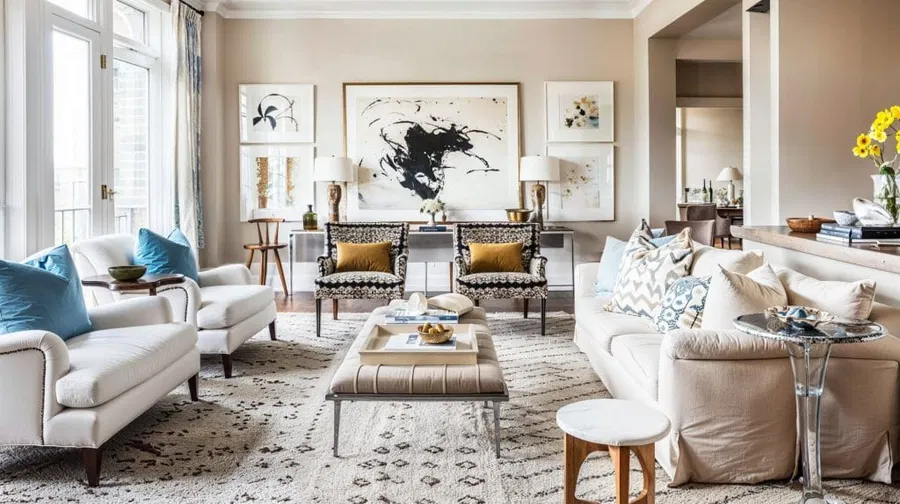
Interior styling often looks effortless in magazines and luxury homes, but behind that polished appearance lies a set of intentional, rarely discussed strategies. Professional designers rely on subtle principles that go far beyond buying expensive furniture or following trends. These insider secrets focus on balance, perception, and emotional response—elements that transform ordinary spaces into remarkable ones.
This guide uncovers those lesser-known styling techniques so you can elevate your interiors with confidence and purpose.
Designers Style for Emotion, Not Just Appearance
One of the most overlooked truths in interior styling is that great spaces are designed to make people feel something. Designers begin by defining the mood of a room—calm, energizing, intimate, or inspiring—before selecting a single item.
To achieve this, they consider:
-
Lighting temperature and how it affects mood
-
Color psychology, not just color trends
-
Furniture arrangement that encourages interaction or relaxation
A room that feels good will always look better than one that is merely visually impressive.
The Power of Negative Space
Many people assume styling means filling every corner, but designers know that empty space is a design tool. Negative space allows the eye to rest and highlights key pieces instead of overwhelming the room.
Designers intentionally:
-
Leave walls partially bare
-
Avoid overcrowding shelves
-
Create breathing room between furniture pieces
This restraint creates sophistication and makes each element feel intentional.
Layers Matter More Than Matching
Perfectly matched furniture sets are rarely used by professionals. Designers prefer layering elements to add depth and realism.
This includes combining:
-
Soft and hard textures (linen with wood, metal with wool)
-
Old and new pieces
-
Matte and glossy finishes
Layering creates visual richness and prevents a room from feeling flat or staged.
Lighting Is Treated as Décor
Lighting isn’t just functional—it’s decorative. Designers often say that a room is only as good as its lighting plan.
Instead of relying on a single ceiling light, they layer:
-
Ambient lighting for overall glow
-
Task lighting for function
-
Accent lighting to highlight art or architecture
Table lamps, wall sconces, and even floor lamps are styled as visual features, not afterthoughts.
Scale and Proportion Are Non-Negotiable
Designers rarely choose items based on looks alone. Scale and proportion guide every decision.
Common professional practices include:
-
Using oversized rugs to anchor furniture
-
Choosing larger artwork instead of multiple small pieces
-
Balancing heavy visual elements with lighter ones
A well-proportioned room instantly feels more expensive and harmonious.
Designers Edit Relentlessly
One of the biggest secrets is how much designers remove, not add. After styling a space, they step back and eliminate anything that doesn’t serve the design.
They ask:
-
Does this piece support the room’s purpose?
-
Is it visually competing with something stronger?
-
Does it add value or noise?
Editing is what separates professional styling from clutter.
Accessories Follow the Rule of Odd Numbers
You’ll rarely see accessories styled in pairs. Designers favor odd-number groupings, which feel more natural and visually engaging.
For example:
-
Three vases of varying heights
-
Five books topped with a sculptural object
-
A trio of pillows in complementary tones
This subtle rule creates rhythm and movement within the space.
Trends Are Used Sparingly
While designers stay informed, they rarely commit fully to trends. Instead, they:
-
Anchor rooms with timeless foundations
-
Introduce trends through easily replaceable items
-
Avoid trend-heavy furniture and finishes
This approach ensures interiors age gracefully and remain adaptable.
Styling Is Finished at Eye Level
A little-known detail is that designers pay close attention to what’s seen at eye level. This includes:
-
Art placement
-
Shelf styling
-
Window treatments
Eye-level details shape first impressions and determine whether a room feels intentional or unfinished.
FAQ: Interior Styling Insights
What is the difference between interior design and interior styling?
Interior design focuses on structure, layout, and functionality, while interior styling emphasizes aesthetics, mood, and finishing touches.
Can interior styling improve small spaces?
Yes. Strategic use of scale, lighting, and negative space can make small rooms feel larger and more balanced.
How many colors should be used in one room?
Designers typically work with a core palette of three to five colors, layering tones and textures rather than adding more hues.
Is expensive furniture necessary for good styling?
No. Styling relies more on proportion, placement, and cohesion than on price.
How often should interiors be restyled?
Minor updates every season and larger refreshes every few years keep spaces feeling current without full renovations.
What is the most common styling mistake homeowners make?
Over-accessorizing and ignoring scale are the most frequent issues that disrupt visual harmony.
Can interior styling increase home value?
Yes. Well-styled interiors improve perceived value and can significantly impact buyer interest and selling speed.
You May Also Like
Budget Friendly Ideas to Imp ...
07 January 2026
How Handmade Decor Adds Pers ...
13 October 2025
Cost-Saving Secrets Using Mi ...
11 March 2025


