In the intricate world of home plumbing, two of the most commonly encountered issues are low water pressure and leaks. While both problems can disrupt your daily life, they do so in vastly different ways. Understanding the nature of these issues and how to address them is crucial for maintaining a fully functional and efficient plumbing system. But when it comes to plumbing, what works best: managing water pressure or preventing leaks? To answer this, we must first delve into the dynamics of both and then consider which is more critical to the long-term health of your system.
Understanding Water Pressure
Water pressure refers to the force at which water flows through your pipes and reaches your faucets, showerheads, and appliances. It is measured in pounds per square inch (psi), and most homes are designed to have a water pressure between 40 and 80 psi. Low water pressure can significantly affect your daily activities. Simple tasks like showering, washing dishes, or running the washing machine become frustrating when water fails to flow at an adequate rate. Similarly, high water pressure can be equally problematic, causing unnecessary stress on pipes and appliances.
Causes of Low Water Pressure
There are several reasons why water pressure may drop. Common culprits include:
-
Clogged Pipes: Over time, mineral deposits, rust, or debris can accumulate in your pipes, obstructing the flow of water. This is particularly common in older homes with aging plumbing systems.
-
Faulty Fixtures: Sometimes, a low-pressure issue may stem from a clogged aerator or a faulty showerhead. These components are easily overlooked but can severely restrict water flow if not maintained properly.
-
Leaks in the Plumbing System: Ironically, leaks in your plumbing system can lead to low water pressure. When water escapes through leaks, it reduces the volume of water that reaches your fixtures.
-
Municipal Supply Issues: In some cases, the problem may not lie within your home’s plumbing at all. Issues with the local water supply or pressure regulators in the city can cause widespread drops in pressure.
Causes of High Water Pressure
While low pressure can be a nuisance, high water pressure often leads to more severe consequences:
-
Stress on Pipes and Fixtures: Excessive water pressure puts undue strain on pipes, joints, and appliances. Over time, this can lead to leaks, bursts, or even the premature failure of appliances like water heaters, dishwashers, and washing machines.
-
Higher Utility Bills: Higher water pressure means that more water is being used, often without your knowledge. This can lead to unexpectedly high utility bills.
The Dangers of Leaks
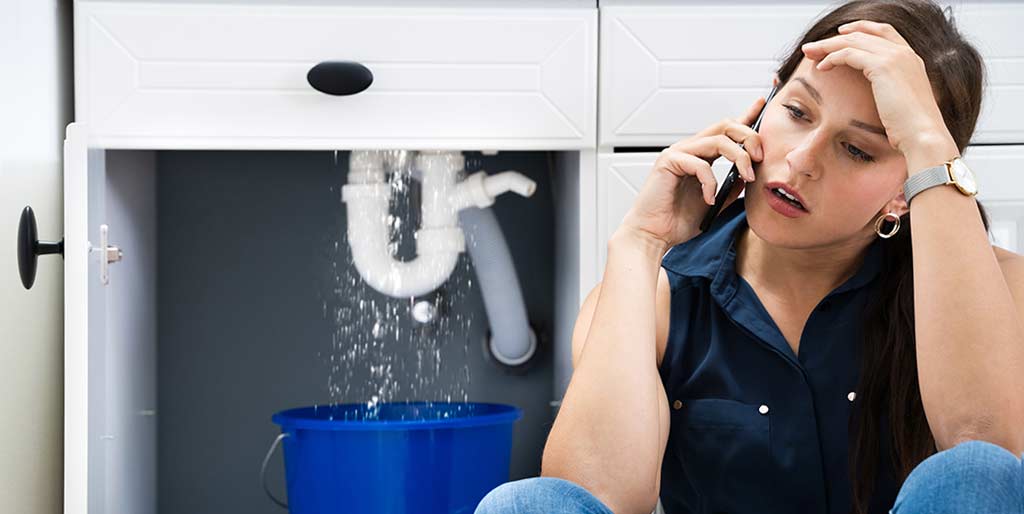
Leaks are another major concern in plumbing systems, as they often lead to hidden damage that isn’t immediately visible. Leaks can occur anywhere in your plumbing system, from faucets and pipes to appliances and sewer lines. While small, isolated leaks may seem insignificant, even minor leaks can cause major problems over time.
The Types of Leaks
Leaks can take various forms:
-
Slow Leaks: These leaks are often hard to detect because they occur gradually. Over time, however, they can cause significant water damage to your walls, ceilings, and floors, as well as contribute to mold and mildew growth.
-
Fast Leaks: A burst pipe or faulty appliance can lead to a fast leak, resulting in rapid water loss. These leaks can cause flooding in your home, damaging everything in their path.
-
Hidden Leaks: These are perhaps the most concerning. Hidden behind walls or underground, these leaks often go unnoticed until they cause major structural damage or result in high water bills. The longer hidden leaks are left unchecked, the more costly they become to repair.
The Cost of Leaks
Leaks are expensive for several reasons:
-
Water Wastage: Even small leaks can waste gallons of water over time. This directly impacts your water bill and contributes to unnecessary resource consumption.
-
Property Damage: Persistent leaks can cause serious structural damage to your home. Water can weaken foundations, rot wood, and cause electrical hazards.
-
Mold and Mildew: Leaks in areas that remain damp, like basements and under-sink cabinets, provide an ideal environment for mold and mildew growth. These issues are not only costly to remediate but can also affect the air quality in your home, potentially leading to health problems.
Water Pressure vs. Leaks: What’s the Bigger Concern?
So, which is more important: managing water pressure or preventing leaks? The answer depends largely on the specific circumstances of your plumbing system. Let’s explore the merits of each.
The Importance of Managing Water Pressure
Proper water pressure is essential for both comfort and efficiency. Whether you’re trying to rinse dishes, take a shower, or wash laundry, consistent and reliable water pressure makes life easier. However, when pressure is too high or too low, it can signal underlying plumbing issues that, if not addressed, could lead to more significant damage.
-
Preventing Long-Term Damage: High water pressure can cause wear and tear on your plumbing system over time. If left unchecked, it can lead to ruptured pipes, broken fixtures, and costly repairs. By installing a pressure regulator or regularly monitoring your water pressure, you can avoid these consequences.
-
Improved Efficiency: A well-maintained water pressure system ensures that your appliances and plumbing fixtures work efficiently. Low pressure can cause appliances like water heaters or dishwashers to operate poorly, whereas adequate pressure ensures they function optimally.
The Importance of Preventing Leaks
Leaks, on the other hand, represent a more urgent concern, especially when they go unnoticed for extended periods. A leak can start small but, if ignored, can lead to extensive water damage, mold growth, and structural problems that require expensive repairs.
-
Hidden Damage: Leaks often go undetected until the damage becomes visible. This makes it imperative to regularly check for leaks in all areas of your plumbing system. Whether it’s a leaky faucet or a hidden pipe, addressing the issue promptly can prevent widespread damage and costly repairs.
-
Water Conservation: Preventing leaks is also crucial from an environmental perspective. Wasting water not only affects your utility bills but contributes to the depletion of a valuable resource. By staying vigilant about leaks and repairing them as soon as they are detected, you’re helping to conserve water and reduce your carbon footprint.
Best Practices for Both
Ideally, managing both water pressure and preventing leaks should be part of a comprehensive plumbing maintenance plan. Here are some best practices to address both issues:
-
Regularly Inspect Plumbing Fixtures: Check for signs of leaks around faucets, under-sink pipes, and appliances. If you spot a leak, fix it promptly to avoid water damage.
-
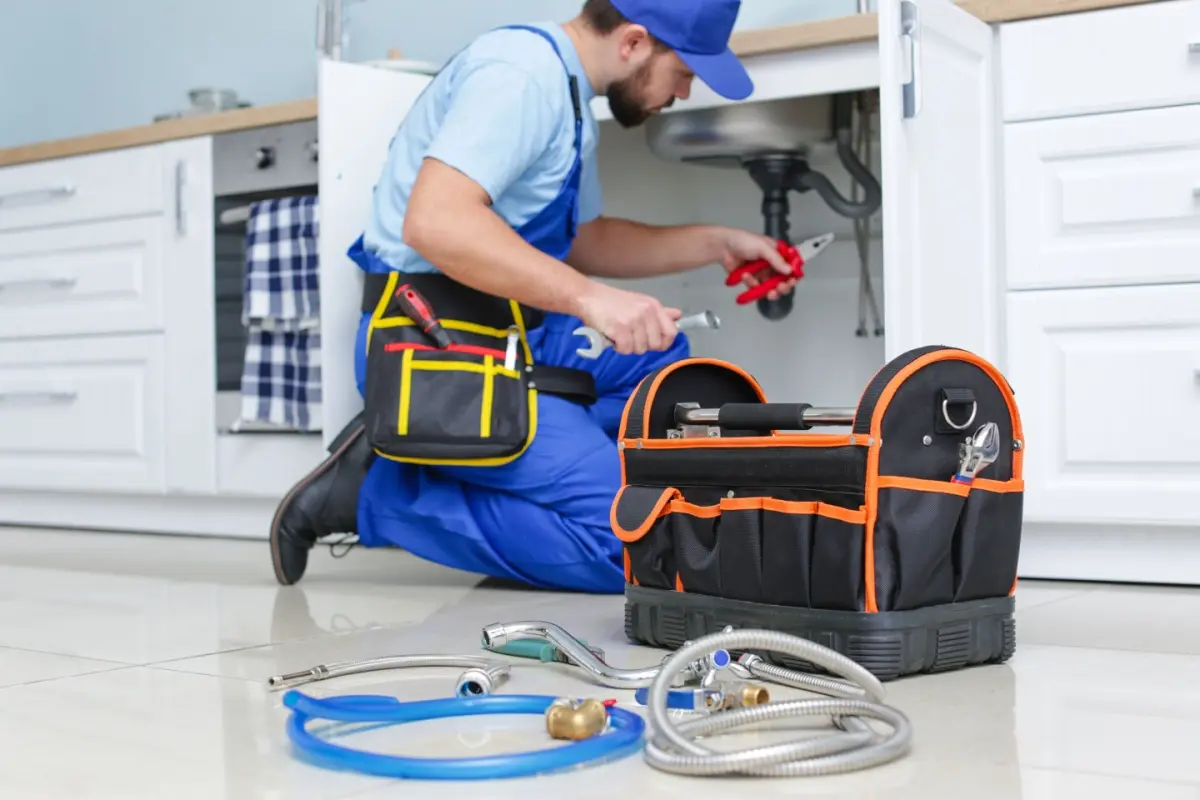
Monitor Water Pressure: Invest in a pressure gauge to check the water pressure in your home regularly. If the pressure is too high or too low, consult with a plumber to install a pressure regulator or address any underlying issues.
-
Maintain Appliances and Pipes: Routine maintenance, such as flushing your water heater, cleaning aerators, and replacing worn-out washers, can prevent both pressure issues and leaks.
-
Know Your Shut-Off Valves: Familiarize yourself with the locations of your main water shut-off valve and the shut-off valves for individual appliances. In the event of a serious leak, being able to quickly turn off the water supply can minimize damage.
Conclusion
Both water pressure and leaks play integral roles in the overall health of your plumbing system, but they affect it in different ways. Water pressure problems, whether too high or too low, can lead to inefficiencies and potential damage if left unaddressed. Leaks, however, are often more insidious, silently causing water waste, property damage, and even mold growth if not detected early. While both require attention, leaks should take precedence due to the immediate and hidden dangers they pose to your home. By regularly inspecting your plumbing, monitoring water pressure, and staying on top of minor issues before they escalate, you can ensure a smooth, reliable, and efficient plumbing system that works best for your home and your wallet.