

When it comes to maintaining a home, plumbing is one of the most essential yet often overlooked systems. Whether you’re dealing with leaky faucets, slow drains, or inconsistent water pressure, plumbing problems can quickly escalate from minor inconveniences to expensive repairs if not properly maintained. Fortunately, mastering the basics of plumbing maintenance can save you time, money, and frustration. By taking proactive steps to care for your plumbing system, you can ensure its longevity, efficiency, and avoid the hassle of emergency repairs. In this step-by-step guide, we’ll walk you through essential plumbing maintenance tasks, offering practical tips and insights to keep your plumbing running smoothly year-round.
1. Inspect for Leaks and Drips Regularly
The first step in plumbing maintenance is to check for leaks and drips. Even a small leak, though seemingly insignificant, can lead to larger problems such as water damage or mold growth if left unaddressed. Regularly inspect faucets, showerheads, toilets, and under-sink pipes for signs of leakage.
-
Faucets and Showerheads: Examine faucets and showerheads for visible drips or moisture around their base. A dripping faucet not only wastes water but can also result in higher utility bills.
-
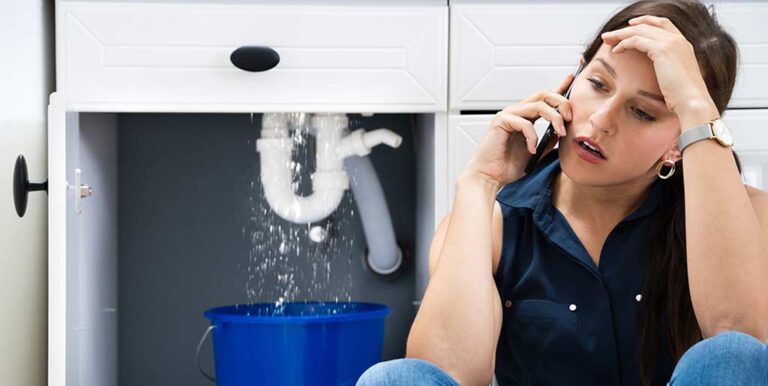
Under-Sink Plumbing: Periodically check under your kitchen and bathroom sinks for any signs of moisture or water stains. Leaks here can go unnoticed until they’ve caused significant damage to cabinets or floors.
-
Toilets: Toilets can often develop small leaks around their seals, which may not always be visible. If you suspect a toilet leak, place a few drops of food coloring in the tank and wait about 30 minutes. If the color appears in the bowl, you’ve likely got a leak.
Action Steps:
-
Tighten any loose faucet connections or replace worn-out washers.
-
If you notice a persistent leak that you can’t fix with basic tools, call a plumber for an assessment.
2. Clean Your Drains Regularly
Clogged drains are one of the most common plumbing issues homeowners face. Over time, soap scum, grease, food debris, and hair accumulate in pipes, leading to slow drains and potentially costly blockages. Regularly cleaning your drains can prevent these issues and extend the life of your plumbing system.
-
Kitchen Sinks: Grease and food particles can easily build up in kitchen sink drains. Avoid pouring grease or oil down the drain, and consider using a drain strainer to catch food particles. Clean the drain periodically with a mixture of baking soda and vinegar followed by hot water to clear out any gunk.
-
Bathroom Drains: Hair is one of the primary culprits in bathroom drain blockages. To prevent hair from clogging the drain, use a hair catcher or mesh filter. Additionally, use a plunger or drain snake to remove hair and soap scum buildup in the shower or bathtub drains.
-
Main Drains: Over time, your home’s main drainage line can also become clogged, especially if you have mature trees with roots that may infiltrate the pipes. If you notice multiple drains backing up at once, it could indicate a problem in the main line.
Action Steps:
-
Use a mix of hot water and baking soda/vinegar monthly to clean drains.
-
Consider scheduling a professional drain cleaning every couple of years to prevent deep-rooted issues.
3. Monitor Water Pressure
Water pressure is often a sign of the overall health of your plumbing system. Low water pressure can indicate clogs, corrosion, or problems with the water supply, while excessively high water pressure can strain your pipes and cause them to burst. Checking and regulating water pressure is essential for both the efficiency and longevity of your plumbing.
-
Low Water Pressure: If water pressure is low in one or more areas of your home, the issue may be localized to that specific area (e.g., a clogged faucet aerator). If it’s widespread, the problem could lie in your home’s water supply line or a central issue with the municipal water system.
-
High Water Pressure: High water pressure can be damaging to your pipes over time. Most homes should have water pressure between 40 and 80 psi (pounds per square inch). If your pressure is consistently above 80 psi, you may need a pressure regulator installed to prevent pipe damage.
Action Steps:
-
Check water pressure using a pressure gauge, which can be purchased at most hardware stores.
-
Install a pressure regulator if necessary to keep water pressure in the safe range.
4. Maintain Your Water Heater
Your water heater is one of the most vital components of your plumbing system. A malfunctioning water heater can disrupt your daily routines and lead to costly repairs. Regular maintenance can ensure your water heater works efficiently and lasts as long as possible.
-
Flush the Tank: Over time, sediment can build up in the bottom of your water heater, reducing efficiency and potentially causing damage. Flushing the tank once a year can help remove sediment and maintain optimal performance.
-
Check the Temperature: The temperature setting on your water heater should generally be set to 120°F (49°C). This is hot enough to provide comfortable showers while preventing overheating, which can damage the tank or increase energy costs.
-
Inspect for Leaks: Check around the base of your water heater for signs of leaks or water accumulation. If the tank is leaking, it could be a sign that it needs to be replaced.
Action Steps:
-
Turn off the power or gas to the water heater before performing any maintenance.
-
Flush the tank by attaching a hose to the drain valve and running water through it to clear sediment.
-
If your water heater is more than 10-15 years old, consider replacing it to avoid potential failures.
5. Inspect and Maintain Pipes
Pipes are the backbone of your plumbing system, and over time, they can develop cracks, corrosion, or blockages that compromise their function. While some issues with pipes require professional intervention, there are steps you can take to protect and maintain your pipes.
-
Check for Signs of Corrosion: Look for signs of rust or corrosion on exposed pipes. Corroded pipes can cause leaks, water discoloration, or even bursts. If you notice any issues, consider having a plumber inspect your pipes for potential replacements or repairs.
-
Insulate Pipes in Winter: Frozen pipes are a common problem in colder climates and can lead to costly repairs if they burst. Insulate vulnerable pipes, especially those in unheated areas like basements, attics, or exterior walls. In extreme cold, allow a trickle of water to flow through the pipes to prevent freezing.
Action Steps:
-
Replace any corroded or damaged pipes as soon as possible to avoid leaks or bursting.
-
Insulate pipes that are prone to freezing to protect them during the winter months.
6. Know Where Your Main Water Shut-Off Valve Is
In the event of a major plumbing emergency, knowing where your main water shut-off valve is located can save you from extensive water damage. This valve controls the flow of water into your home, and shutting it off immediately during an emergency can prevent flooding or further damage.
-
Locate the Shut-Off Valve: The main water shut-off valve is typically located near where the water line enters your home, often in the basement, crawlspace, or utility room. Familiarize yourself with the location and make sure all members of your household know how to operate it.
-
Test the Valve Periodically: Over time, valves can become stiff or corroded, making them difficult to turn in an emergency. Test the valve periodically to ensure it functions properly and is easy to turn.
Action Steps:
-
Locate and test your main water shut-off valve every six months to ensure it works when needed.
7. Schedule Professional Plumbing Inspections
While many plumbing maintenance tasks can be handled by homeowners, some issues require professional attention. Scheduling regular plumbing inspections with a licensed plumber can help identify potential problems before they turn into emergencies. Plumbers can inspect pipes, water heaters, drains, and the overall health of your plumbing system, recommending repairs or replacements when necessary.
Action Steps:
-
Schedule a professional plumbing inspection every 1-2 years to ensure your system is in good shape.
-
Address any issues identified during the inspection promptly to prevent future damage.
Conclusion
Mastering plumbing maintenance doesn’t require specialized knowledge or expensive tools, but it does require a proactive approach. Regularly inspecting for leaks, cleaning drains, monitoring water pressure, maintaining your water heater, and caring for your pipes are all essential steps to ensure your plumbing system runs smoothly. By taking the time to address small issues before they escalate, you can avoid costly repairs and enjoy the peace of mind that comes with a well-maintained home. With the right planning and upkeep, you can protect your plumbing system, extend its lifespan, and prevent unnecessary stress down the line.
You May Also Like
Emergency Plumbing Situation ...
25 February 2026

Behind the Scenes of a Plumb ...
24 November 2025

The Importance of Licensed P ...
27 October 2025


