How to Improve Your Home with Wall Art and Theme

Your home is more than just a place to live; it is an expression of your personality, interests, and lifestyle. The way you design and decorate your space can transform the ambiance, making it feel both inviting and uniquely yours. Among the most effective ways to inject character, depth, and individuality into your home is through the thoughtful use of wall art and cohesive themes. Wall art serves as both a focal point and an emotional touchstone, while a well-curated theme ties your design elements together, creating a harmonious flow throughout your home. In this article, we will explore how to improve your living space by using wall art and selecting a theme that resonates with you, all while keeping the design sophisticated and timeless.
1. The Power of Wall Art in Home Decor
Wall art is an essential tool in the decorator’s arsenal. It does far more than just fill empty space; it sets the tone, adds visual interest, and can even tell a story. Whether it’s a large statement piece or a carefully curated gallery wall, art has the unique ability to infuse personality into a room. Its potential to elevate a space cannot be overstated.
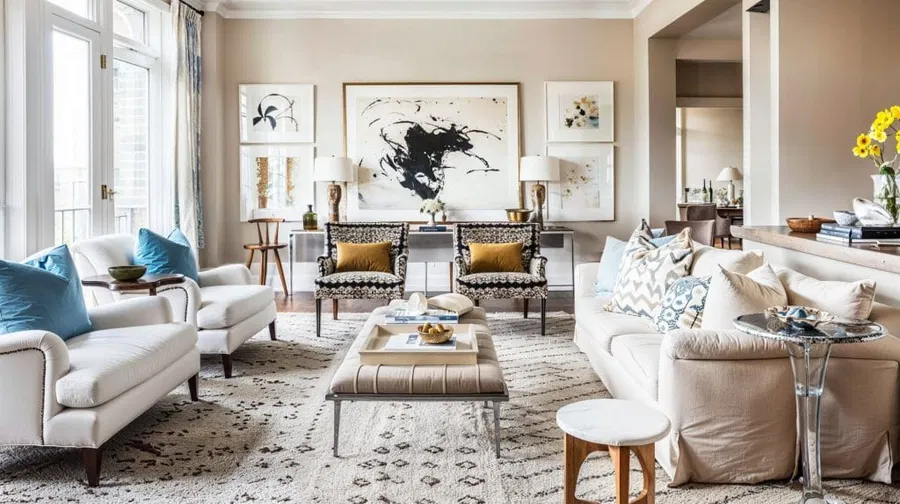
The first step in choosing the right wall art is to consider the mood and atmosphere you wish to create. For example, in a living room, large, bold pieces may work well to make a statement and encourage conversation, while in a bedroom, softer, more serene artworks can help create a calming environment conducive to relaxation and sleep. You should also think about how the colours in the artwork interact with the rest of the room’s palette. If your walls are neutral, vibrant artworks can serve as focal points, adding energy to the space. Conversely, in a room with strong colours, more muted or monochromatic art pieces may complement the existing decor without clashing.
Beyond size and colour, the style of the art you choose should resonate with your personality. Abstract art, for instance, often conveys a sense of creativity and freedom, while vintage prints or classical paintings may evoke nostalgia and a love for history. Photography, particularly black-and-white images, can bring an element of timelessness and sophistication to any room. The options are as varied as your tastes, and that variety provides the opportunity to curate a space that feels authentic and personal.
2. Choosing a Theme for Your Home
The concept of theme in interior design refers to a cohesive style that flows from room to room, uniting various elements of your decor. Having a clear theme helps create a sense of harmony and purpose, ensuring that every design choice feels intentional. While the theme can certainly evolve over time, a well-defined overarching concept serves as the foundation for all other design decisions.
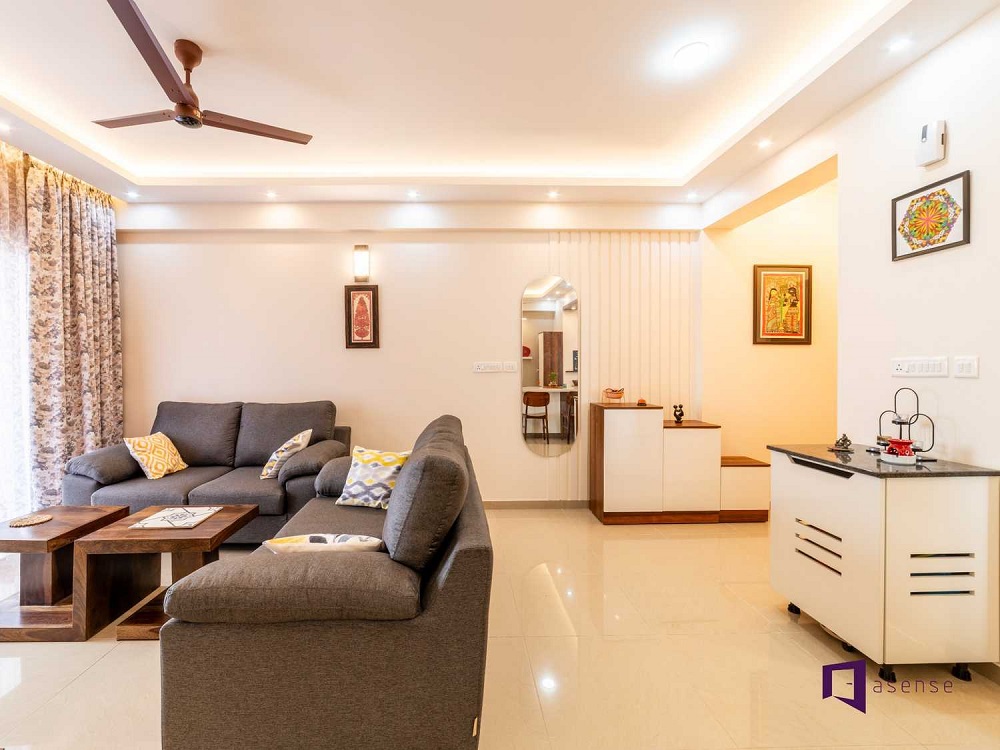
There are numerous themes to choose from, each with its own set of characteristics and mood. A modern minimalist theme, for example, emphasizes clean lines, open spaces, and a neutral colour palette. In this setting, wall art should follow suit, focusing on simple, striking pieces that align with the minimalist ethos. A nautical theme, on the other hand, may include marine-inspired prints, such as seascapes or maps, along with light blues and whites to evoke the tranquility of the ocean.
The key to selecting a theme is ensuring that it aligns with your personal aesthetic and lifestyle. A theme should feel effortless, as though it’s a natural extension of your taste, rather than something forced. If you love eclectic style, for instance, a bohemian theme might be ideal, allowing for an eclectic mix of wall art and decor that brings a relaxed, artistic vibe to the space. Conversely, if you prefer a more polished and curated look, a contemporary theme with clean lines and striking wall art can lend sophistication to your interiors.
3. Curating a Gallery Wall for Added Depth
One of the most popular ways to use wall art in a home is by creating a gallery wall. A gallery wall is a curated collection of art, photographs, or prints arranged together on one wall. This arrangement allows you to showcase a variety of styles, colours, and sizes while still maintaining a cohesive feel.
When curating a gallery wall, it’s important to consider the overall layout. While there are no hard and fast rules, a good gallery wall should feel balanced. To achieve this, arrange pieces that share a common element, whether that’s colour, theme, or framing. For example, a gallery of vintage black-and-white photographs can instantly add sophistication to a hallway or staircase, while an eclectic mix of modern prints in vibrant colours might work well in a creative studio or living room.
The size of the wall also plays a significant role in the arrangement. For smaller walls, opt for a more tightly packed collection of smaller frames to avoid overwhelming the space. On larger walls, you may choose to feature larger art pieces interspersed with smaller ones to create an engaging visual rhythm. And remember, the layout doesn’t always have to be symmetrical; organic and asymmetrical groupings can lend a more relaxed, lived-in feel.
4. Wall Art as a Reflection of Personal Identity
The beauty of wall art is that it offers an opportunity for self-expression. Whether through photography, painting, or graphic design, each piece can speak to your personal experiences, beliefs, or interests. When selecting wall art, think of it as a way to showcase your identity and values.
For instance, if you are passionate about travel, incorporating maps or travel-themed prints can bring a sense of adventure into your home. If art history or cultural heritage is important to you, displaying works that highlight different cultures or historical periods can add depth and meaning to your space. For some, contemporary art that explores social or political themes serves as a way to connect with larger conversations happening in the world.
Incorporating personal items, such as family photographs or heirloom pieces, can further enhance the personal nature of your space. These pieces not only hold sentimental value but also make your home feel more intimate and connected to your life’s story.
5. Layering Wall Art with Texture and Materials
While the art itself plays a critical role in your home’s decor, the materials and textures you use to frame or display the art can elevate the overall aesthetic. A wooden frame may bring a rustic or vintage feel to a print, while sleek metal frames work well in more modern, industrial spaces. Experimenting with different materials for your wall art can also add depth and visual interest. For example, a canvas print hung on a wooden panel can add a textural layer to the artwork, while framed fabric art or woven wall hangings bring warmth and tactile richness to a room.
In addition to framing, consider the type of wall surface on which your art is displayed. Gallery walls on a textured wall, such as exposed brick or wood paneling, create an intriguing contrast. On smooth, neutral walls, textured art pieces or mixed media works can stand out, creating visual interest and enhancing the room’s overall feel.
6. Fusing Wall Art with the Room’s Function
Each room in your home serves a different purpose, and the wall art you choose should align with these functions. For example, in a dining room or kitchen, wall art featuring food, drink, or family gatherings can add warmth and character. In a home office, motivational quotes or sleek modern artwork can inspire creativity and focus. In bedrooms, art that invokes peace and relaxation, such as nature scenes or abstract works, can contribute to a calm, restful environment.
Don’t overlook the impact of wall art on spaces that often go unnoticed, like hallways or staircases. These transitional spaces offer a chance to add personality and interest, often becoming the ideal location for an eclectic mix of art or a series of prints that guide the eye through the home.
7. Evolving Your Space
A key advantage of using wall art to enhance your home is its flexibility. Unlike other design elements that may be more permanent, art is relatively easy to change, allowing you to update the mood or theme of a room whenever you desire. If you feel like a room no longer reflects your style, changing a few pieces of art or reworking your gallery wall can completely alter the vibe without the need for a full renovation.
Over time, you may find that your tastes evolve, and that’s perfectly fine. Wall art allows you to continuously refresh your living space, reflecting new inspirations, travels, or phases in your life.
Conclusion
Incorporating wall art and a well-defined theme into your home is one of the most rewarding ways to personalize your living space. Whether you opt for bold statement pieces, subtle gallery walls, or textured art installations, the right wall art can elevate your home’s ambiance and reflect your individual taste and lifestyle. Coupled with a thoughtful theme that unites your design elements, wall art not only enhances your home’s aesthetic but also creates an environment where you feel comfortable, inspired, and truly at home.