How to Improve Your Home with Interior Design and Aesthetic

Your home is a reflection of who you are — it’s the sanctuary where you seek comfort, the space that fosters creativity, and the environment that hosts your most cherished moments. The way you design and arrange the interior of your home has the power to not only elevate its appearance but also influence your mood, functionality, and even your overall well-being. The key to a beautifully designed home is finding a harmonious balance between aesthetics and practical interior design. By combining thoughtful choices in colour, texture, furniture, and decor, you can transform your home into a space that is both stunning and deeply personal. This article explores how to improve your home with interior design and aesthetic, offering insights into how you can create a home that exudes style, comfort, and personality.
1. Understand the Concept of Aesthetic in Interior Design
Before embarking on a journey of redesigning your home, it is important to first understand the role of aesthetics in interior design. Aesthetics, in the context of interior design, refers to the visual appeal and emotional impact a space creates through its design elements. It is about creating a pleasing atmosphere by harmonizing various components, such as colour schemes, textures, furniture styles, and accessories.
A strong aesthetic vision can turn any room into something special, whether you’re aiming for a minimalist retreat, a bohemian escape, or a luxurious haven. The key is to choose a theme that resonates with you — one that reflects your tastes, preferences, and lifestyle. Once you’ve chosen your aesthetic, it’s crucial to apply it consistently across the space. This cohesion is what transforms a house into a thoughtfully designed home.
2. Develop a Colour Scheme That Enhances Your Mood
Colour is one of the most influential elements of interior design. It has the power to evoke emotions, alter perceptions of space, and set the tone for a room. Choosing the right colours for your home is therefore fundamental to creating the right atmosphere.
For example, soft blues, greens, and neutral tones can bring a sense of calmness and tranquillity, making them ideal for bedrooms or relaxation areas. On the other hand, warmer tones like reds, oranges, and yellows tend to inject energy and vibrancy into a room, making them perfect for spaces where social interaction is key, such as the living room or dining area.
Neutrals like grey, beige, and off-white offer a versatile and timeless backdrop, allowing other design elements — such as artwork or textiles — to stand out. The trick is to create a balance that complements both your personal style and the function of the space. While bold colours can be exhilarating, they should be used thoughtfully to avoid overwhelming a room. If you prefer subtlety, don’t be afraid to layer different shades of the same colour for depth and richness.
3. Incorporate Texture and Layering
Texture is an essential but often overlooked component of interior design. It adds depth, warmth, and dimension to a room. By thoughtfully incorporating various textures into your space, you create a multi-sensory experience that draws people in and invites them to interact with the space.
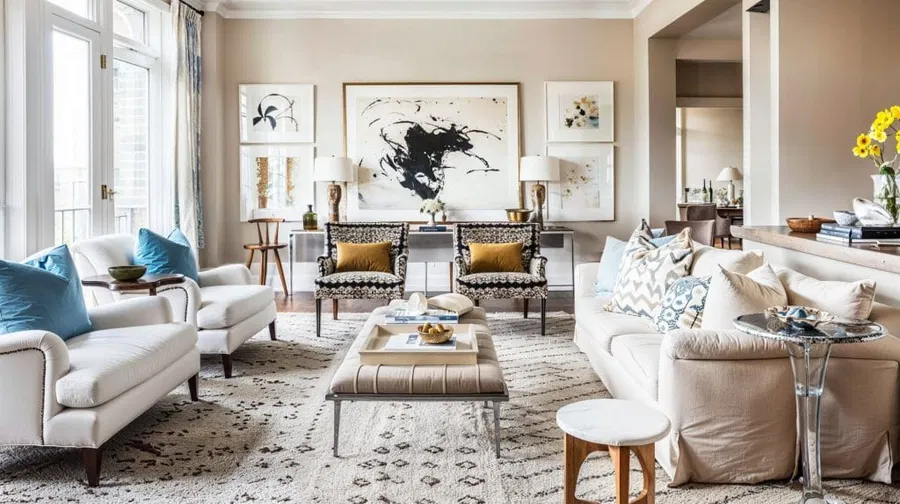
The key to effective texture layering is balance. For example, in a living room, pairing a plush velvet sofa with a sleek leather chair can create an interesting contrast. A woven rug beneath a wooden coffee table adds tactile warmth to the room, while throw pillows in a variety of fabrics — linen, wool, or faux fur — introduce further texture and visual interest.
Textural elements can be introduced through furniture, textiles, flooring, or accessories. Velvet, silk, and linen fabrics can enhance the comfort and luxury of a space, while metal, glass, and stone elements bring modernity and sophistication. By varying the materials and textures in a room, you create a dynamic space that feels lived-in and inviting.
4. Select Furniture That Reflects Your Style
Furniture is both a functional and aesthetic choice, and it serves as the backbone of any room. When selecting furniture, think about how each piece contributes to the overall theme of your home, as well as its functionality and comfort. Whether your style is contemporary, mid-century modern, or traditional, the furniture should not only complement your design vision but also be tailored to your everyday needs.
For example, in a minimalist space, opt for sleek, simple furniture with clean lines and neutral colours. The focus here is on creating an uncluttered, calming environment. In contrast, an eclectic or bohemian style may embrace more relaxed, mismatched pieces, showcasing a love for vintage or globally inspired furniture. A carefully selected statement piece — such as a beautifully crafted armchair or a striking coffee table — can anchor a room and serve as a conversation starter.
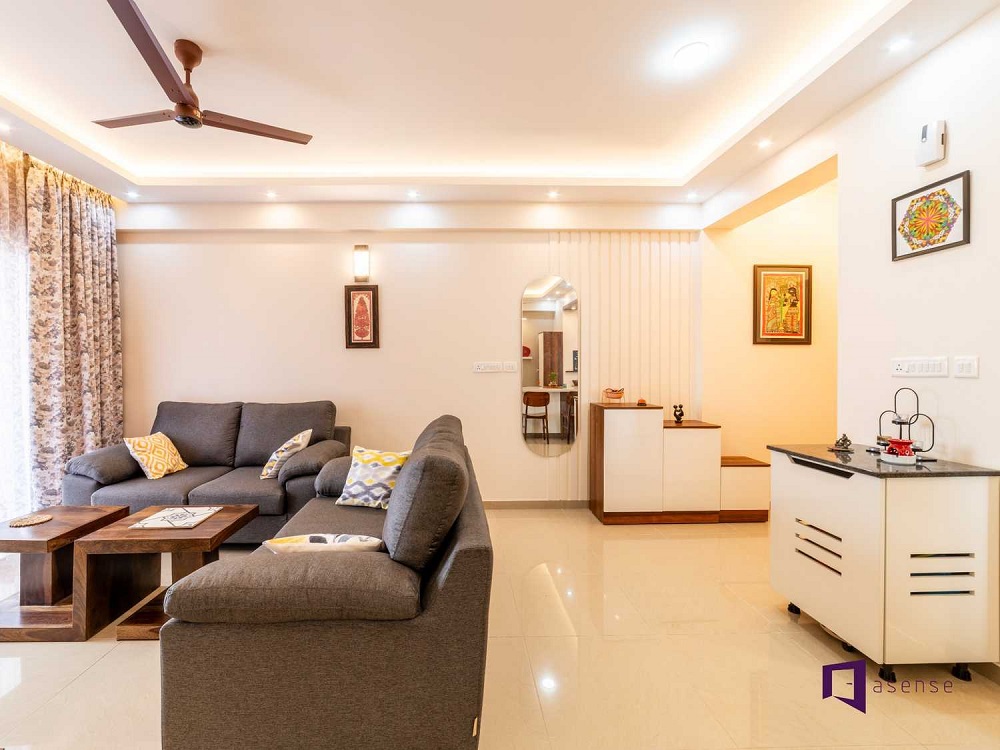
It’s also worth considering the layout of your furniture. Good flow and functional layout are key to ensuring the space is comfortable and livable. In a large living room, arranging furniture in conversational groupings encourages interaction, while smaller rooms benefit from streamlined, space-saving furniture choices that make the room feel open and airy.
5. Play with Lighting to Set the Mood
Lighting plays a crucial role in the overall aesthetic of a space. It can dramatically change the mood, highlight architectural features, and even alter the perception of colours in a room. Different types of lighting serve different functions, and understanding how to use them effectively is vital in creating the right atmosphere.
Ambient lighting — the primary source of light in a room — sets the general tone. Ceiling lights, chandeliers, or recessed lighting can provide overall illumination. Task lighting, such as desk lamps or pendant lights, offers focused light for specific activities like reading or cooking. Accent lighting, including floor lamps or wall sconces, highlights decorative features like artwork or architectural details.
For a warm, inviting atmosphere, opt for soft, diffused lighting. On the other hand, for a more energetic and vibrant space, use brighter lighting that enhances the colours and texture of the room. In spaces like the living room or dining room, consider using dimmers to adjust the light levels according to the time of day or activity, creating the perfect balance of functionality and ambiance.
6. Add Personal Touches with Accessories and Art
One of the most effective ways to enhance the aesthetic of a space is by adding personal touches through art, accessories, and decor items. Artwork is an incredibly powerful tool to showcase your personality and interests. Whether it’s a large painting, a series of framed photographs, or a collection of sculptures, art gives your home a unique flair and a sense of individuality.
Accessories such as throw blankets, vases, books, and decorative trays can inject personality into a room. Select items that resonate with you, and avoid overcrowding the space with unnecessary pieces. Less is often more when it comes to accessorizing. A well-placed vase of fresh flowers, a few carefully chosen candles, or a meaningful heirloom can create a warm, inviting atmosphere without overwhelming the senses.
Additionally, plants are an excellent way to add both texture and life to a room. Houseplants purify the air, and their natural greenery adds freshness and vibrancy. From large potted plants in corners to small succulents on shelves, greenery complements virtually any interior style.
7. Create Harmony with a Unified Theme
The most successful interiors are those that maintain a sense of cohesion throughout the space. While it’s important to let each room express its own character, creating a unified theme that flows from one area to the next ensures your home feels well-thought-out and harmonious. Whether your theme is rustic farmhouse, modern minimalist, or industrial chic, consistency is key.
To achieve this, choose a consistent colour palette, style of furniture, and design elements that complement one another. For example, if you’ve chosen a neutral colour scheme for the living room, carry similar tones into the adjacent dining area to create a seamless transition. Similarly, maintaining a consistent style of artwork and decor across rooms — even if the individual pieces differ — will ensure that your home feels cohesive.
8. Embrace Change and Evolution
A home should evolve with you, reflecting changes in your life and taste. Don’t be afraid to experiment with different styles, swap out artwork, or move furniture around. The beauty of interior design lies in its flexibility; it’s a space where you can continually make updates to suit your needs and preferences.
Whether you’re renovating a single room or embarking on a full-scale redesign, remember that the process is personal and should feel like an expression of yourself. By balancing aesthetics with functionality, and incorporating thoughtful design elements throughout your home, you create an environment that nurtures both your lifestyle and sense of well-being.
Conclusion
Improving your home with interior design and aesthetic principles is about more than just making a space look good — it’s about creating an environment that enhances your daily life. From choosing the right colour palette to selecting the perfect furniture, every decision plays a role in shaping the overall ambiance. When you blend thoughtful design with a personalized aesthetic, you’ll create a home that’s not only beautiful but also a true reflection of who you are. With these principles in mind, you can begin transforming your living space into the sanctuary you’ve always dreamed of.