How to Improve Your Home with Colour and Interior Design

When it comes to transforming a house into a home, few elements have as profound an impact as colour and interior design. These two forces shape the atmosphere of a space, influencing both its functionality and its emotional appeal. Whether you’re moving into a new home or simply looking to breathe new life into your existing space, the thoughtful application of colour and interior design can create an environment that feels inviting, harmonious, and uniquely yours. In this article, we will explore several ways you can improve your home using these essential tools of design, blending both practical advice and aesthetic inspiration.
1. Understand the Psychological Impact of Colour
Colour is not just a decorative feature; it has the power to influence our moods, behaviours, and even productivity. Understanding the psychological effects of colours is crucial when selecting a palette for your home. For instance, blue tones are known for their calming and soothing qualities, making them ideal for bedrooms or living rooms where relaxation is the priority. On the other hand, warm colours like red, yellow, and orange can energize a space, making them perfect for kitchens or areas that encourage activity and interaction.
Green, a colour associated with nature, promotes balance and harmony, making it an excellent choice for spaces where you seek tranquillity, such as a home office or a meditation nook. Neutrals such as beige, grey, and white can also be versatile, offering a clean, serene backdrop that allows other design elements to shine.
When selecting colours for your space, consider how each room will be used and the atmosphere you wish to cultivate. Create a mood board or experiment with small swatches on your walls to see how the colours interact with the lighting and other elements of your decor.
2. Harmonize with Complementary Colour Schemes
Once you’ve selected a primary colour for a room, think about how to incorporate complementary hues to create depth and interest. Complementary colours sit opposite each other on the colour wheel, such as blue and orange or green and red. When used together, these colours create contrast and vibrancy, making a space feel dynamic and engaging.
Alternatively, analogous colour schemes—those that sit next to each other on the colour wheel, like blue, green, and teal—offer a more subdued, harmonious look. This type of palette is particularly effective in rooms where you want to promote relaxation, as it creates a sense of cohesion and serenity.
If you’re feeling adventurous, don’t be afraid to experiment with accent walls. A bold accent wall in a contrasting colour can inject energy into a room without overwhelming the space. Be sure to balance the intensity of the accent colour with the overall scheme to maintain a cohesive look.
3. Play with Texture and Materials
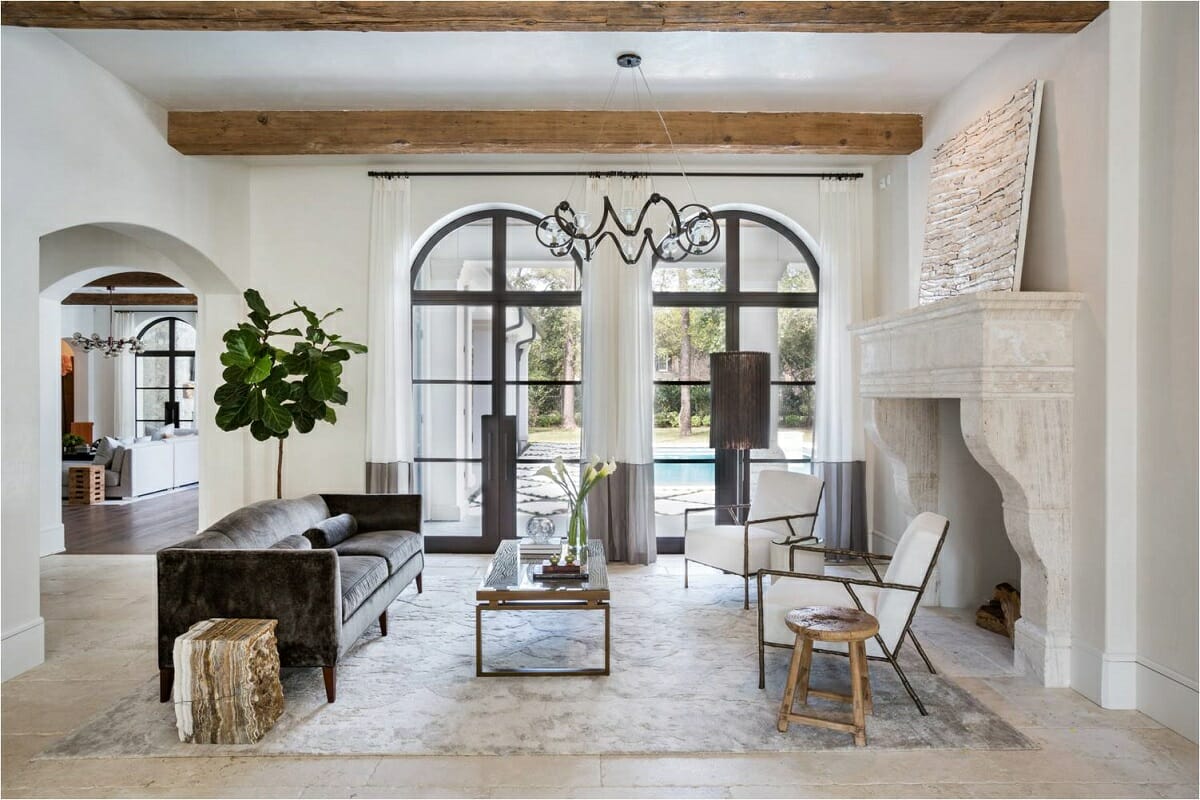
While colour can drastically alter the mood of a space, texture and materials add depth and tactility, enriching the overall design. Consider mixing different textures to create visual and physical interest. A plush velvet sofa paired with sleek metal accents can create a balanced, luxurious feel. A rustic wooden coffee table can add warmth to an otherwise modern space, grounding it in a natural element.
Additionally, textures play a significant role in how a room feels. Soft fabrics like linen or cotton make a room feel inviting and cozy, while smoother materials like glass, marble, or metal contribute to a more polished, refined aesthetic. Experimenting with different combinations of textures can help you strike the perfect balance between comfort and style.
4. Use Lighting to Enhance Colour and Mood
Lighting is an often-overlooked component of interior design, but it plays a pivotal role in how colours appear within a room. Natural light, artificial light, and the placement of light fixtures can all influence the atmosphere and mood of a space. For example, warm-toned lights—such as those emitted by Edison bulbs—can make cooler colours like blue or grey feel warmer and more inviting.
In contrast, cool-toned lights can enhance the crispness of white or light grey walls, creating a modern and clean aesthetic. For a layered effect, combine different types of lighting—ambient, task, and accent lighting—to highlight key features in the room, such as artwork or architectural details. The strategic use of lighting can elevate the entire room, making your colour choices come alive and contributing to the overall ambiance.
5. Incorporate Personal Style Through Artwork and Decor
One of the most powerful ways to add personality and character to a space is through artwork and decorative accents. Whether it’s a large, statement-making painting or a collection of smaller framed pieces, artwork injects life and colour into a room. It serves as both a focal point and a conversation starter, offering a visual reflection of your tastes and experiences.
When selecting artwork, consider the colours and themes you want to emphasize in your space. For example, if you’ve chosen a neutral colour palette for the walls, you can use artwork to introduce bold pops of colour. Alternatively, if you’ve chosen rich, vibrant tones for your walls, you may want to opt for minimalist or black-and-white art to balance the vibrancy.
Decorative accessories such as throw pillows, vases, and rugs can also contribute to the overall aesthetic of a room. Don’t shy away from mixing patterns and textures, but be mindful of maintaining balance. A combination of geometric prints, florals, and solid colours can add layers of interest without overwhelming the senses.
6. Create Zones with Colour and Layout
In open-plan homes, it can sometimes be difficult to define distinct areas within a larger space. Colour is an excellent tool for creating visual boundaries and zoning a room. By painting different sections of a room in varying shades or incorporating contrasting furniture pieces, you can distinguish different areas for specific activities, such as lounging, dining, or working.
Furniture arrangement is another crucial factor in this process. Ensure that the layout of your furniture complements the flow of the space and reflects its intended use. For example, in a living room, group seating areas together to promote conversation and interaction. In contrast, a dining area should feel separate but connected, with a table as the central focus and enough space for ease of movement around it.
7. Focus on Cohesion and Flow
While it’s tempting to incorporate as many colours and patterns as possible, it’s essential to maintain a sense of cohesion throughout your home. To ensure a seamless flow from one room to the next, stick to a consistent colour palette and design theme. This doesn’t mean every room has to look identical, but rather that there should be an underlying sense of unity that ties everything together.
One way to achieve this is by choosing a dominant colour and carrying it through various rooms in different ways. For example, a particular shade of blue could appear in the living room walls, be echoed in accent pillows in the bedroom, and appear again in artwork or decorative objects in the hallway. This continuity will create a sense of harmony while allowing each room to maintain its own personality.
8. Experiment and Evolve
Perhaps the most important piece of advice when it comes to colour and interior design is to allow your space to evolve with you. As tastes, seasons, or life stages change, so too should your home. Don’t be afraid to experiment with new colours, textures, or furniture arrangements over time. The beauty of interior design lies in its ability to adapt to your personal journey and reflect your ever-changing sense of style.
A home should be a living, breathing expression of who you are. By understanding the psychological power of colour, playing with textures and lighting, and carefully curating your decor, you can create a space that feels not just designed, but deeply personal and vibrant. Whether you’re revamping a single room or embarking on a full-scale renovation, these principles will guide you toward a home that truly feels like your own.