How to Improve Your Home with a Checklist and Organization

Your home is more than just a place to live; it’s an extension of your personality, a sanctuary where you can recharge, and a space that should reflect your values, style, and needs. However, over time, even the most beautifully designed homes can become cluttered or disorganized, making it harder to enjoy the space. Whether you’re looking to refresh your home, make it more functional, or simply create a more inviting environment, improving your home can be a rewarding endeavor.
One of the most effective ways to tackle home improvement projects is by creating a detailed checklist and embracing an organizational strategy. A well-organized home not only looks better but also improves your day-to-day efficiency and overall well-being. In this article, we’ll explore how to improve your home through a step-by-step checklist and the art of organization.
1. Create a Clear Vision: Define Your Goals
Before you begin any project, it’s important to define what you want to achieve. Home improvements can range from large-scale renovations to smaller, simpler changes, so having a clear vision will help you stay focused and organized. Are you hoping to increase the resale value of your home? Do you want to make the space more functional for your family? Perhaps you just need a fresh, new look.
Consider the following questions to define your goals:
-
What areas of your home need the most attention?
-
Do you need to prioritize functionality over aesthetics, or is the opposite true?
-
Are you working within a specific budget or timeframe?
-
Are there any long-term goals, like making the home more sustainable or energy-efficient?
2. Make a Home Improvement Checklist
Once you’ve defined your vision, it’s time to make a checklist. This step is essential for keeping you organized and ensuring nothing falls through the cracks. Break down the tasks into categories and prioritize them based on urgency and importance. Here’s how you can structure your checklist:
2.1. Room-by-Room Assessment
Start by evaluating each room in your home. What’s working well, and what needs attention? Go through every room and list the items or areas that need improvement. For example:
-
Living Room: Is the furniture arrangement ideal? Is the lighting soft and inviting? Are there any outdated pieces or areas that could benefit from a coat of paint or new decor?
-
Kitchen: Are your countertops cluttered? Do you need to organize kitchen drawers or cabinets? Does your backsplash need an update?
-
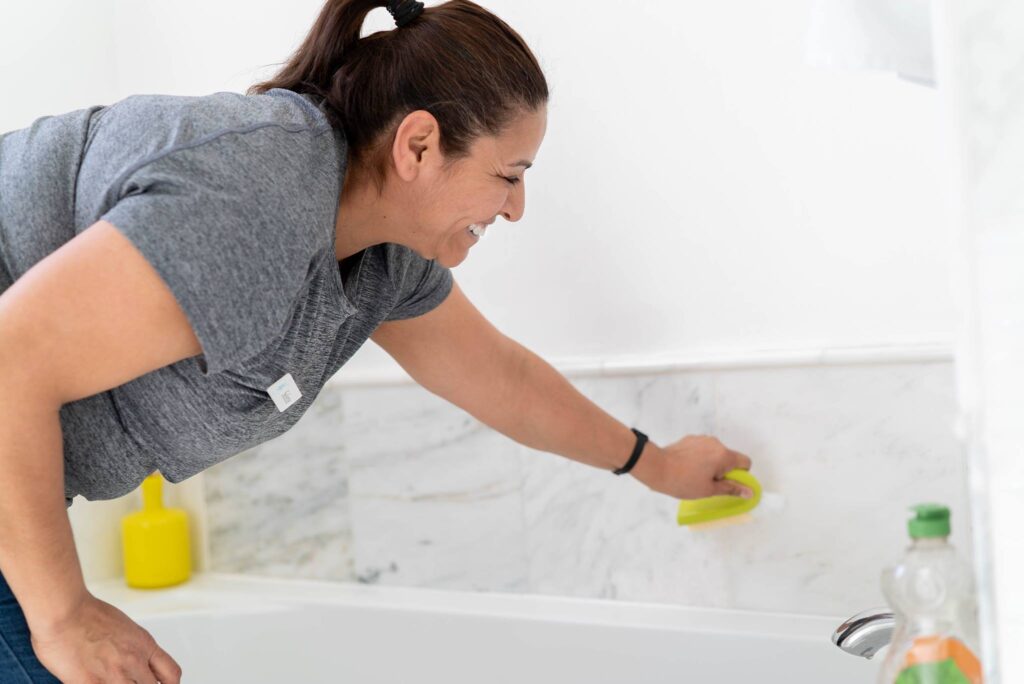
Bathroom: Is your storage effective? Are the tiles or fixtures in need of repair or replacement?
-
Bedroom: Are your wardrobes organized? Does your bedding need refreshing or replacing? Is there sufficient lighting?
2.2. Functional Upgrades
Next, consider upgrades that enhance the functionality of your home. This could include improving storage, adding shelving, or implementing space-saving solutions. Here are a few ideas:
-
Install custom shelves or cabinets to create more storage space.
-
Organize the pantry and kitchen drawers to maximize space.
-
Add multipurpose furniture that doubles as storage, such as ottomans with hidden compartments or beds with built-in drawers.
2.3. Aesthetic Enhancements
Aesthetic improvements are often what give a home that “wow” factor. These can be small or large projects, such as:
-
Painting walls or furniture: Choose colors that complement the style of your home and create the mood you want to evoke.
-
Updating flooring: Consider replacing old carpets with hardwood floors, tiles, or modern vinyl.
-
Upgrading light fixtures: Swap out outdated light fixtures for something more modern, or consider installing energy-efficient LED lights.
2.4. Deep Cleaning
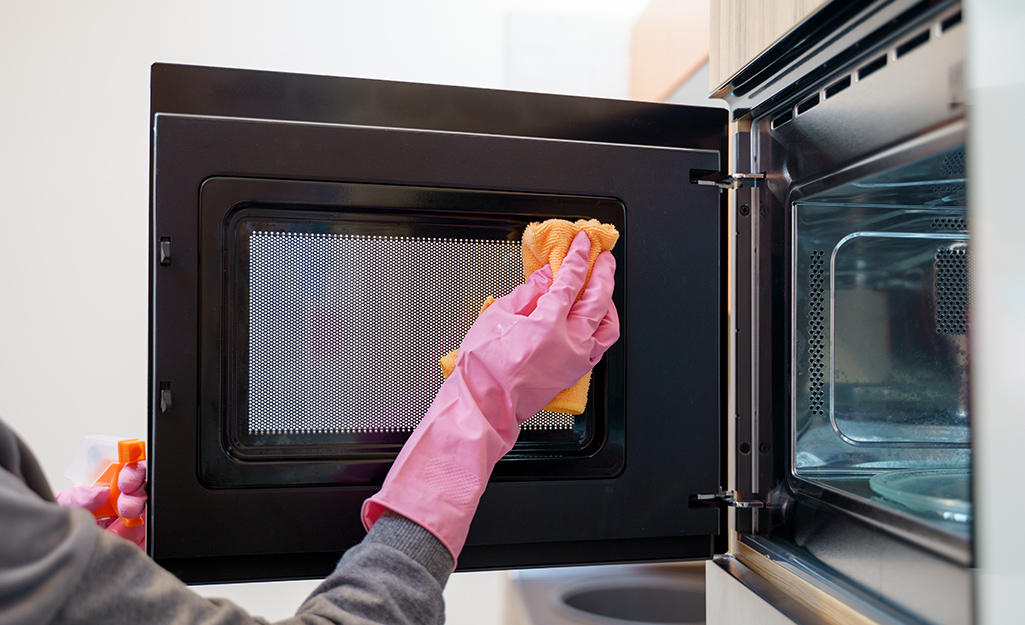
Don’t forget the power of a deep clean. In addition to your regular cleaning routine, consider tackling areas that may have been neglected, such as baseboards, windowsills, and the inside of kitchen appliances.
-
Clean your carpets, upholstery, and curtains.
-
Wash windows and glass surfaces.
-
Organize and declutter closets, shelves, and cabinets.
3. Set Realistic Timelines and Budgets
As with any project, it’s crucial to set realistic timelines and budgets for your home improvements. Start by estimating how long each task will take. For example, painting a room may only take a weekend, while installing new flooring could take a few days.
Create a budget by considering the costs of materials, tools, and professional services. Don’t forget to include a contingency fund for any unexpected expenses that may arise during the process. A clear budget will help prevent overspending and keep you on track financially.
4. Organize Your Home Efficiently
Organization is not just about decluttering—it’s about setting up systems that help you maintain order over time. A well-organized home makes it easier to find what you need and reduces the stress of clutter. Here are some effective ways to organize your home:
4.1. Declutter Regularly
Decluttering should be an ongoing process. Make a habit of going through your items periodically and asking yourself whether they’re still needed, functional, or aesthetically pleasing. Donate or dispose of anything that no longer serves you.
4.2. Implement Storage Solutions
Efficient storage is key to keeping your home organized. Here are a few storage solutions to consider:
-
Maximize vertical space with shelves and hooks to keep things off the floor and create more usable space.
-
Use clear storage bins to help you easily see what’s inside, and label them for better organization.
-
Install pull-out shelves or organizers in cabinets and drawers to make accessing items easier and more efficient.
4.3. Create Zones
When organizing a room, think in terms of zones. Group similar items together, whether it’s a designated office space, a crafting area, or a reading nook. Keeping everything in its place, within easy reach, can reduce clutter and help maintain organization.
4.4. Digital Organization
Digital clutter can also impact the overall orderliness of your home. Organize your digital files, photos, and documents by categorizing them into folders and eliminating unnecessary ones. Use cloud storage to back up important files and keep your devices decluttered.
5. Personalize Your Space
Once the functional and organizational aspects are in place, turn your attention to making your home a reflection of your unique style and personality. Incorporate elements that bring warmth and character to each room:
-
Display art that inspires you.
-
Choose decor pieces that reflect your taste, whether it’s modern, vintage, or eclectic.
-
Add personal touches like family photos, heirlooms, or handmade items.
Creating a space that feels like home involves making it comfortable and welcoming. This is where you can get creative and truly make the space your own.
6. Maintain Your Improvements
A well-organized and beautifully improved home requires ongoing maintenance. To keep things in order and looking their best, create regular maintenance schedules. This could include:
-
Seasonal cleaning tasks, such as washing windows in the spring or checking the roof for damage after winter.
-
Regular decluttering sessions to ensure you don’t accumulate unnecessary items.
-
Annual updates to things like paint, furniture, and appliances to keep them fresh and functional.
7. Final Thoughts
Improving and organizing your home is a rewarding process that can make your living space more enjoyable and efficient. By creating a checklist, setting realistic timelines and budgets, and implementing organizational strategies, you’ll not only enhance your home’s appearance but also improve its functionality and overall ambiance. Remember, home improvement is not a one-time project—it’s an ongoing journey. With a little time, effort, and creativity, you can turn your house into the sanctuary you’ve always dreamed of.