Cost-Saving Secrets Using Pipes in Plumbing

Plumbing, an often-overlooked system in the home, plays a critical role in maintaining comfort, cleanliness, and convenience. Yet, many homeowners fail to realize that plumbing costs — particularly when it comes to water and energy usage — can steadily increase if the system isn’t maintained or optimized. One of the most significant contributors to high plumbing costs is inefficiency in the piping system, whether it’s due to outdated materials, poor installation, or unnoticed damage. The good news is that with a few smart decisions and strategic steps, you can reduce your plumbing costs significantly by focusing on the pipes themselves. Let’s explore how you can save money by understanding the importance of pipe maintenance, material selection, proper installation, and even small tweaks that will reduce your overall water and energy usage.
1. Choose the Right Pipes: Material Matters
The type of pipe material used in your plumbing system can greatly affect the longevity, efficiency, and overall cost of your system. While different materials come with varying initial costs, the long-term savings are often what truly matter. Let’s break down some common pipe materials and the costs associated with them.
Copper Pipes
Copper has long been the gold standard in plumbing. It is highly durable, resistant to corrosion, and boasts a long lifespan. However, copper pipes can be expensive to install. Over time, they can save you money due to their longevity and minimal maintenance needs. However, they are more susceptible to freezing than some other materials, which could lead to costly repairs in cold climates.
Cost-saving tip: While copper pipes have higher upfront installation costs, their durability makes them ideal for long-term savings. Consider copper if you plan on staying in your home for many years.
PVC Pipes
PVC pipes are an affordable and versatile option for plumbing. They are lightweight, easy to install, and resistant to corrosion, making them a great choice for both cold and warm water systems. Their cost-effectiveness is one of the major reasons they are so popular. Additionally, PVC does not rust or corrode like metal pipes, meaning fewer repairs and less maintenance in the long run.
Cost-saving tip: PVC is perfect for homeowners on a budget, especially for drain and vent pipes. It offers excellent durability and low installation costs, making it an excellent choice for both new builds and renovations.
PEX Pipes
PEX (cross-linked polyethylene) pipes are a newer addition to the plumbing world, offering excellent flexibility and resistance to freezing. They are easy to install and come with a lower material cost compared to copper pipes. PEX pipes are also resistant to scale and chlorine, making them ideal for areas with hard water. The flexible nature of PEX pipes also reduces the need for joints and fittings, which can minimize the chances of leaks and the need for maintenance.
Cost-saving tip: Opt for PEX piping if you are in an area prone to freezing temperatures or if you have an older plumbing system that requires frequent repairs. It’s a relatively low-cost, high-durability alternative to copper.
Galvanized Steel Pipes
Galvanized steel pipes were once the standard for plumbing in homes built before the 1960s. However, they tend to corrode and rust over time, leading to potential water quality issues and reduced water pressure. Replacing old galvanized steel pipes with more modern materials, like PEX or copper, can save you a significant amount of money on repairs and improve water quality.
Cost-saving tip: If your home still has galvanized steel pipes, it may be time for a replacement. The long-term savings from improved water pressure and water quality make this investment worthwhile.
2. Regular Pipe Inspections and Maintenance
The best way to avoid costly plumbing repairs is through regular maintenance and early detection of issues. A small leak or clog can escalate into a major problem if ignored. For example, even a slow leak can waste gallons of water over time, resulting in higher water bills and potential property damage.
Preventing Leaks
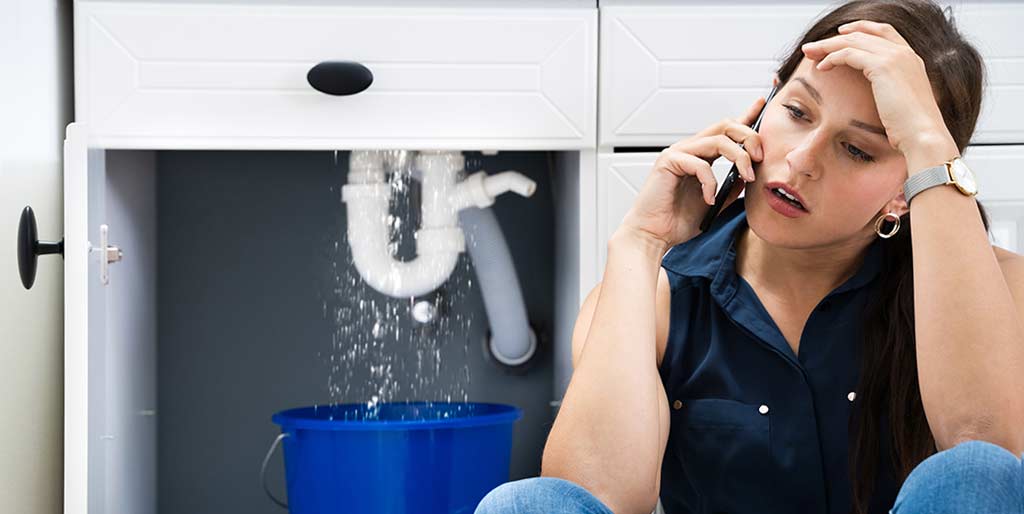
Leaks are one of the most common and costly plumbing issues. Leaking pipes not only waste water but can cause significant water damage to your home, leading to costly repairs and even mold growth. To minimize the risk of leaks, regularly inspect your pipes for signs of damage, corrosion, or wear. Check exposed pipes, such as those under sinks or in the basement, for visible signs of moisture or leaks.
Cost-saving tip: Make sure to catch leaks early by installing a water leak detection system. Many modern homes are now equipped with smart home devices that monitor plumbing systems for unusual moisture patterns or sudden pressure changes. Investing in these systems upfront can prevent future costly repairs.
Maintain Proper Water Pressure
High water pressure places a lot of strain on your pipes, potentially leading to pipe bursts and costly leaks. It can also increase water consumption unnecessarily, inflating your utility bills. On the other hand, low water pressure may indicate blockages, leaks, or improperly sized pipes.
Cost-saving tip: Install a pressure regulator to keep your water pressure within the optimal range (typically between 40 and 80 psi). This will help reduce the wear and tear on your plumbing system and save you money on repairs, not to mention the reduction in water usage.
3. Insulate Pipes to Save on Energy Bills
Insulating your pipes may seem like a minor step, but it can have a significant impact on your energy bills. Insulated pipes reduce heat loss, meaning your hot water heater doesn’t have to work as hard to maintain the desired temperature. This translates to lower energy consumption and smaller heating bills. In cold climates, pipe insulation can also prevent pipes from freezing during the winter months, which can save you from the high cost of emergency plumbing repairs.
Cost-saving tip: Insulate pipes in unheated areas, such as basements, attics, and crawl spaces. A few well-placed pipe insulation sleeves can help maintain hot water temperature and protect against freezing, ensuring your plumbing system runs smoothly year-round.
4. Smart Water Management Systems
In the age of technology, managing water usage has become easier than ever before. Smart water management systems allow you to monitor your home’s water consumption in real time. These systems provide insights into where water is being used and identify potential inefficiencies. Some smart systems even alert you to leaks and offer real-time recommendations to reduce water waste.
Cost-saving tip: Install a smart water meter or water leak detection system in your home. These systems can help you track water usage, detect leaks early, and prevent unnecessary waste. Over time, the savings from reduced water consumption and avoided repairs can quickly recoup the cost of installation.
5. Proper Pipe Sizing and Installation
Having pipes that are correctly sized for your home’s needs is crucial for maintaining optimal water pressure and reducing long-term costs. Improperly sized pipes can lead to issues like low water pressure, frequent clogs, or the need for frequent repairs. Similarly, poorly installed pipes can develop leaks more easily, leading to increased water waste and higher utility bills.
Cost-saving tip: Ensure that your pipes are correctly sized based on your household’s water consumption. Working with a professional plumber can help you design a system that meets your needs while avoiding unnecessary expenses down the line.
6. Avoid DIY Plumbing Mistakes
While some DIY home repairs are relatively straightforward, plumbing is an area where mistakes can become expensive. Attempting to replace or repair pipes without the proper knowledge or tools can lead to more significant issues, requiring professional intervention. Leaks, improper connections, and damaged pipes can all cause major headaches and inflate repair costs.
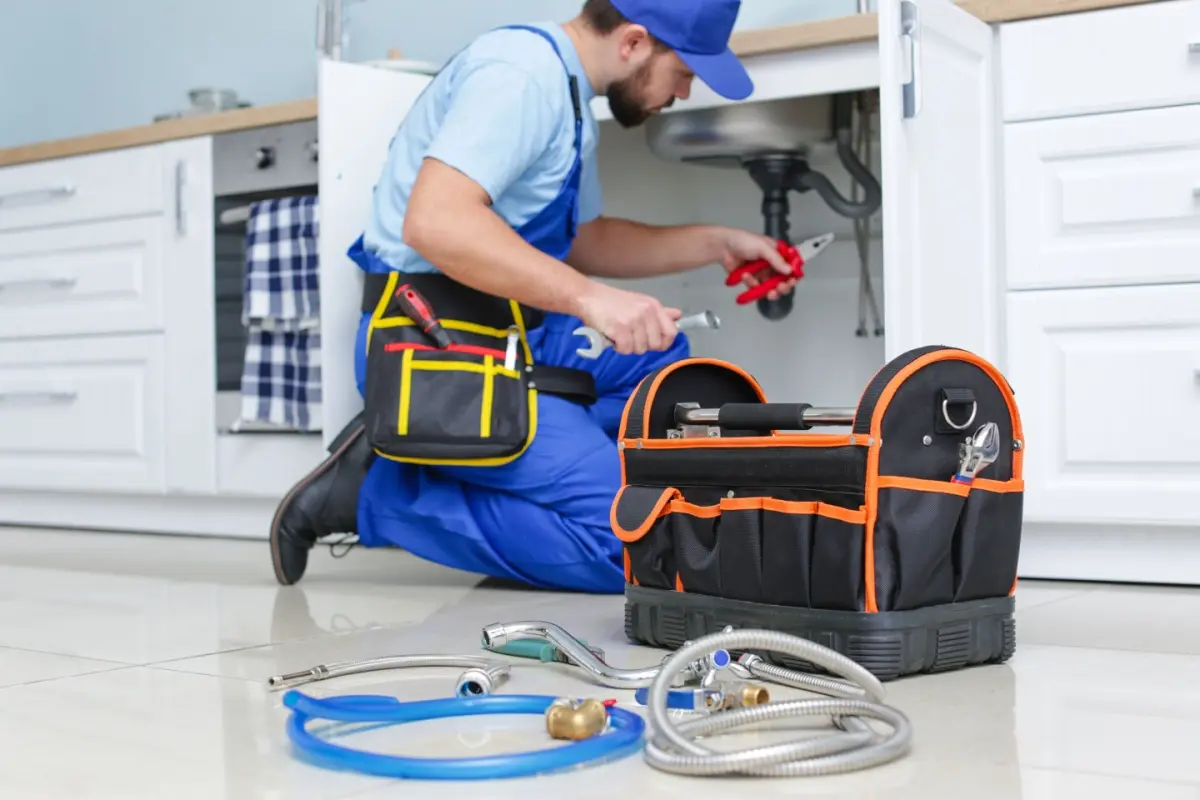
Cost-saving tip: Hire a licensed plumber for any major plumbing repairs or installations. The upfront cost of professional plumbing services can prevent costly mistakes, as a plumber can ensure that the job is done correctly the first time, saving you money in the long run.
Conclusion
When it comes to saving money on plumbing, focusing on the pipes themselves is an effective way to reduce both immediate and long-term costs. Choosing the right pipe material, maintaining and inspecting your plumbing system regularly, insulating pipes, and using smart technology are all ways to maximize your plumbing efficiency and minimize costs. In addition, investing in professional plumbing services and ensuring proper pipe installation can save you from unnecessary repairs and water waste. By taking a proactive approach to your home’s plumbing system, you not only protect your property from potential damage but also ensure that your plumbing operates as efficiently as possible — all while saving money along the way.