
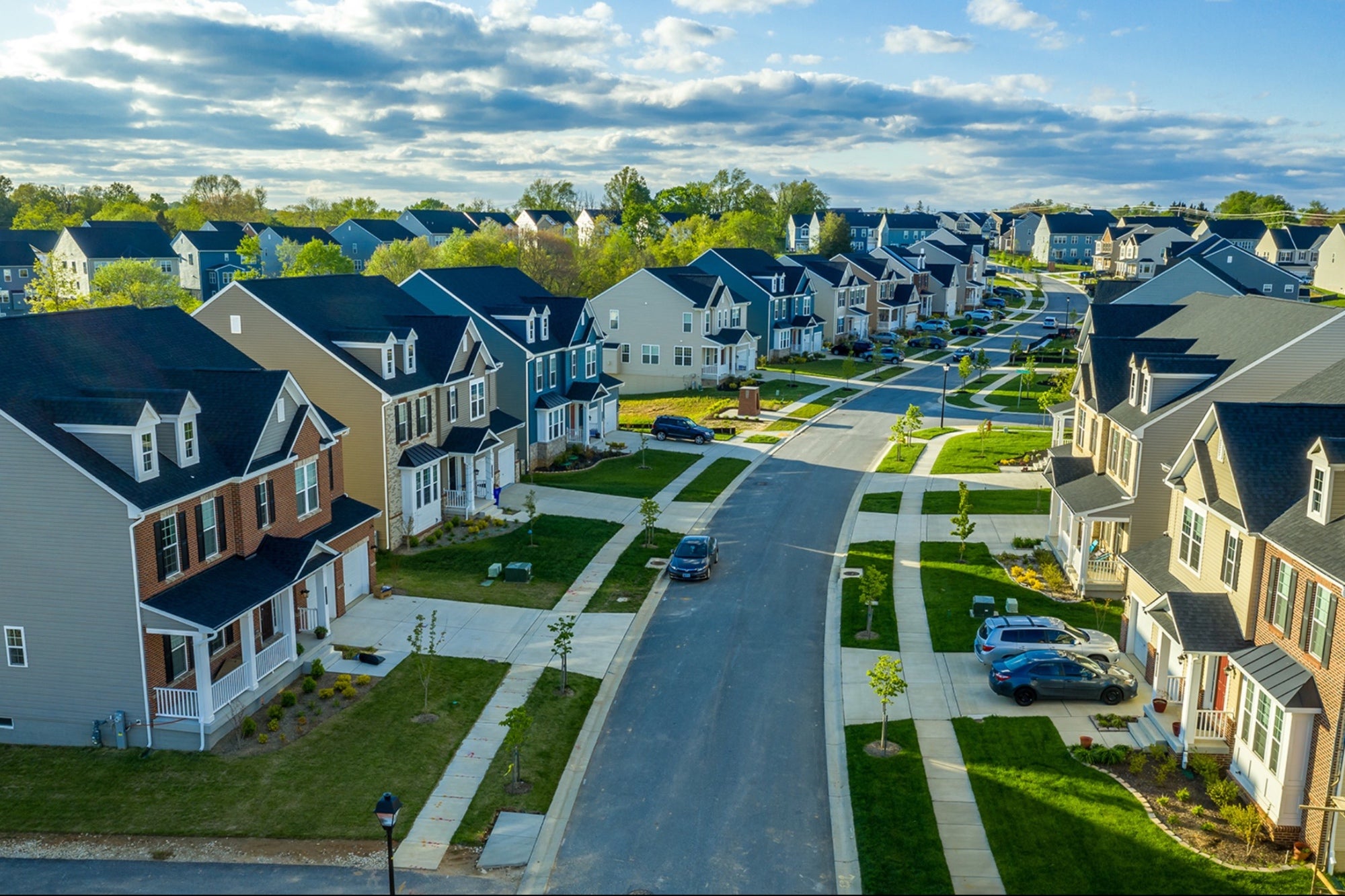
Housing markets may feel deeply local, shaped by neighborhood schools, commute times, and zoning rules. Yet behind every local price swing or construction slowdown lies a broader set of global economic forces. From interest rates set by central banks to international capital flows, global economics quietly but powerfully shapes what homes cost, how many get built, and who can afford them.
Understanding these connections helps homeowners, buyers, renters, and policymakers make clearer decisions in an increasingly interconnected world.
The Link Between Global Economics and Local Housing
Global economics refers to how countries interact through trade, finance, investment, and monetary policy. Housing, although physically fixed in one place, is financially mobile. Money crosses borders far more easily than people or buildings.
When global conditions shift, local housing markets often respond through:
-
Changes in mortgage affordability
-
Fluctuations in construction costs
-
Shifts in housing demand
-
Variations in investment behavior
These effects may appear subtle at first but compound over time.
Interest Rates and Global Monetary Policy
One of the strongest global influences on housing is interest rates. Central banks often coordinate policy responses to inflation, recessions, or financial crises.
How interest rates affect housing
-
Lower global rates reduce borrowing costs, increasing home demand and pushing prices higher
-
Higher global rates make mortgages more expensive, cooling buyer activity
-
Adjustable-rate loans react quickly to international rate movements
Even local lenders price mortgages based on global capital markets, not just domestic conditions.
Inflation, Currency Values, and Housing Costs
Inflation is rarely confined to one country. Global supply chains and energy markets transmit price pressures across borders.
Key housing impacts
-
Rising inflation increases material and labor costs
-
Weaker local currency raises the price of imported construction materials
-
Real estate becomes a hedge against inflation, attracting more buyers
When inflation accelerates globally, housing affordability often declines locally.
Global Capital Flows and Real Estate Investment
Real estate is a favored asset for international investors seeking stability or diversification.
Effects of foreign investment
-
Increased demand in major cities raises home prices
-
Luxury developments expand while affordable housing lags
-
Rental markets tighten as properties shift to investment use
While foreign capital can revitalize neighborhoods, it may also widen affordability gaps if not balanced by local housing policy.
Trade, Employment, and Local Housing Demand
Global trade directly influences local job markets. Regions tied to exports, manufacturing, or global services feel economic changes quickly.
Employment-driven housing shifts
-
Expanding global trade boosts employment and housing demand
-
Trade disruptions reduce incomes and slow home purchases
-
Migratory labor flows alter rental and ownership patterns
Housing markets tend to follow job stability, which is increasingly shaped by international trade dynamics.
Supply Chains and Construction Activity
Housing supply depends on materials, equipment, and labor—many sourced internationally.
Global disruptions can cause:
-
Construction delays due to material shortages
-
Higher building costs passed on to buyers
-
Reduced housing starts during economic uncertainty
When supply shrinks but demand remains steady, prices climb.
Economic Uncertainty and Buyer Psychology
Housing markets are influenced not only by numbers but also by confidence.
During periods of global instability:
-
Buyers delay large purchases
-
Developers postpone new projects
-
Investors seek “safe haven” cities
These behavioral shifts can amplify price swings even without major local changes.
Policy Responses and Local Market Resilience
Governments attempt to shield local housing markets from global shocks through:
-
Mortgage assistance programs
-
Interest rate subsidies
-
Affordable housing incentives
However, policy effectiveness varies depending on how deeply global forces penetrate the local economy.
Why Global Awareness Matters for Local Housing Decisions
Housing is no longer insulated by borders. Buyers, investors, and planners who understand global economics are better positioned to:
-
Anticipate market cycles
-
Manage financial risk
-
Advocate for informed housing policy
Local housing markets may feel personal, but they are increasingly shaped by forces far beyond city limits.
FAQs
How do global recessions affect local housing prices?
Global recessions often reduce investment and employment, lowering housing demand and slowing price growth or causing declines.
Can local housing markets ignore global economic trends?
Rarely. Even isolated markets depend on global financing, materials, and investor sentiment.
Why do international investors prefer real estate?
Property offers long-term stability, inflation protection, and tangible value compared to volatile financial assets.
How does global inflation reduce housing affordability?
It raises construction costs and interest rates, making homes more expensive to build and finance.
Do currency changes influence home prices?
Yes. Currency depreciation can attract foreign buyers while increasing costs for imported building materials.
Are rural housing markets affected by global economics too?
Yes, though impacts may be slower and more employment-driven than investment-driven.
What can local governments do to reduce global pressure on housing?
They can expand affordable housing supply, regulate speculative investment, and support local construction capacity.
You May Also Like

Importance of Property Verif ...
10 March 2026

Cross-Border Property Invest ...
21 October 2025

Top 10 Buying Tips for Bette ...
12 April 2025


