Step-by-Step: Mastering Energy in Your Smart Home

The modern smart home is no longer just a futuristic ideal; it’s a reality that millions of homeowners are embracing to increase comfort, convenience, and energy efficiency. As the world becomes more conscious of sustainability and energy consumption, managing energy within your smart home has never been more important. Smart home technologies allow you to monitor, control, and optimize your energy usage in ways that were once unthinkable. If you’re interested in mastering energy efficiency in your smart home, here is a step-by-step guide to help you achieve a more eco-friendly, energy-efficient living space.
Step 1: Assess Your Current Energy Consumption
Before diving into any smart technology, it’s essential to have a clear understanding of your current energy consumption. This can help you identify areas where improvements are needed and allow you to track your progress as you implement changes.
Most energy companies provide smart meters or energy reports that outline your monthly energy consumption and help you see where energy is being used most. You can identify high-consumption appliances and devices, such as air conditioners, heating systems, and large electronics. Taking note of these energy hogs will allow you to target areas for improvement when you begin integrating smart technologies.
You can also utilize home energy monitors, like the Sense Energy Monitor, which tracks real-time energy usage and provides insights into the performance of individual appliances. This will give you a more granular look at your household’s energy consumption, which is invaluable as you work towards greater energy efficiency.
Step 2: Install a Smart Thermostat
One of the easiest and most effective ways to start mastering energy usage in your smart home is by installing a smart thermostat. Devices such as the Nest Learning Thermostat or Ecobee SmartThermostat can revolutionize the way you manage your home’s heating and cooling systems, which are typically among the largest consumers of energy.
Smart thermostats work by learning your preferences and automatically adjusting the temperature based on your schedule. For example, your thermostat can lower the heat or turn off the air conditioning when you’re not home, ensuring that energy isn’t wasted when you don’t need it. Additionally, you can control the temperature remotely via your smartphone, allowing you to make adjustments while on the go.
A smart thermostat can also sync with other smart devices in your home. For instance, it can work in tandem with smart window blinds to optimize energy use by reducing heat from direct sunlight or ensuring that your home stays cool during peak summer heat.
Step 3: Upgrade to Smart Lighting
Lighting accounts for a significant portion of a home’s energy consumption. Switching to smart lighting can have a profound effect on your energy bills while enhancing the overall ambiance of your living space. Smart bulbs, such as those offered by Philips Hue or LIFX, are energy-efficient and can be controlled remotely via apps or voice commands.
Smart lighting systems allow you to automate your home’s lighting schedule. You can program lights to turn off when you leave a room or set them to dim at certain times of the day, such as during the evening. Motion sensors can also be integrated with your lighting system to automatically turn on lights when someone enters a room and turn them off once the space is unoccupied. These small adjustments ensure that your lights aren’t left on unnecessarily, saving both energy and money.
Additionally, the ability to adjust brightness and color temperature allows you to create lighting that suits your mood while minimizing energy consumption. For example, smart bulbs can be set to warmer tones in the evening, which are less harsh on your eyes and can help you save on energy use compared to brighter, cooler lights.
Step 4: Automate Your Home with Smart Plugs
Smart plugs are one of the most affordable and effective ways to gain more control over your home’s energy consumption. By plugging your devices into smart plugs, you can control them remotely, schedule them to turn on and off, and monitor their energy usage in real-time. Devices like the TP-Link Kasa Smart Plug or Wemo Mini Smart Plug make it easy to manage your home’s smaller appliances, such as lamps, toasters, and fans, that often consume energy when they’re not being used.
For instance, you can set your coffee maker to turn off automatically after it’s finished brewing, ensuring that it’s not using power throughout the day when you’re not home. Similarly, you can turn off chargers or electronics that tend to consume power in standby mode (commonly referred to as “phantom load”) with a simple click on your smartphone. By automating these functions, you prevent unnecessary energy waste and maximize the efficiency of your devices.
Step 5: Optimize Your Appliances with Smart Devices
Larger appliances such as washing machines, refrigerators, and dishwashers can also benefit from smart technology. Smart appliances, such as Samsung Smart Fridges and LG Smart Washers, come with built-in features that help optimize energy consumption.
For example, smart washing machines can adjust their energy usage depending on the load size, water temperature, and wash cycle, ensuring that only the necessary resources are used. Many smart refrigerators have energy-efficient settings that allow you to monitor and control the internal temperature from your smartphone, so you can make adjustments when needed and keep your energy usage in check.
In addition, you can also install smart irrigation systems to control water usage for your lawn and garden. Devices like the Rachio Smart Sprinkler Controller can automatically adjust watering schedules based on weather conditions, ensuring that your plants are watered efficiently without wasting water or energy.
Step 6: Implement Solar Power and Battery Storage
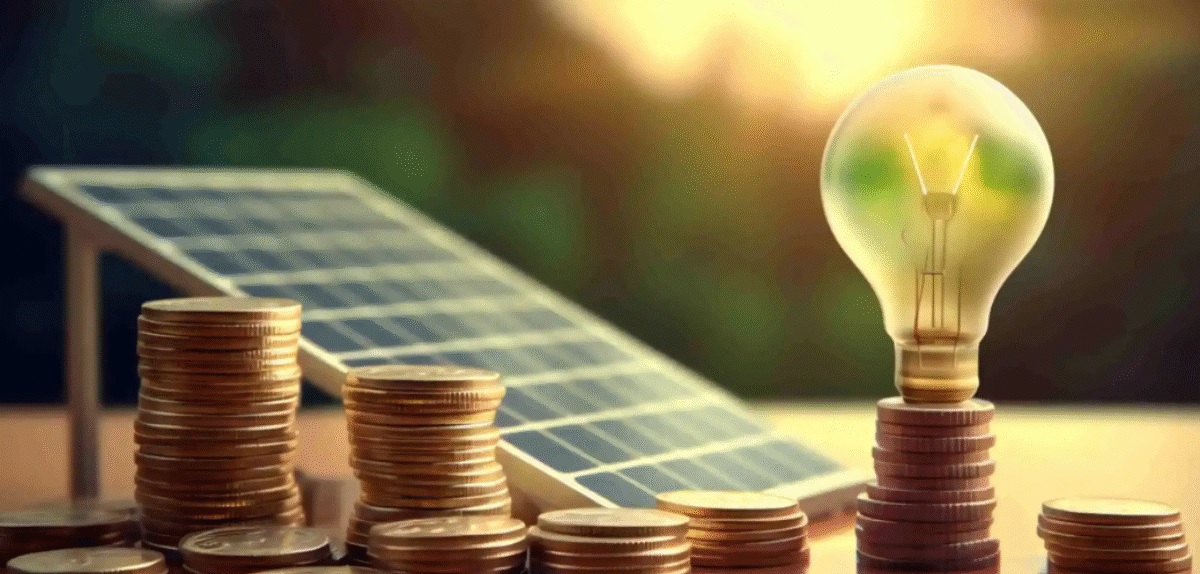
If you’re looking to take your energy efficiency to the next level, integrating solar power with your smart home can significantly reduce your reliance on grid electricity. Solar panels, when paired with battery storage systems such as Tesla Powerwall, can allow you to harness and store solar energy for use at night or during cloudy days, cutting down on your energy bills and carbon footprint.
Smart home energy systems allow you to monitor your solar energy production and consumption in real time. With the ability to track how much energy you’re generating and how much you’re using, you can adjust your energy consumption habits accordingly. For example, you may choose to run high-energy appliances like dryers or dishwashers when your solar panels are producing peak energy, further reducing the need to pull from the grid.
Step 7: Monitor Energy Usage with AI-Powered Systems
Finally, to fully master energy usage in your smart home, consider integrating an AI-powered home energy management system. Platforms like Sense or EnergyHub analyze real-time data from your smart devices and provide insights into your home’s energy consumption. They can offer personalized recommendations to help you optimize your usage based on patterns and trends.
These systems learn from your behavior and suggest ways to save energy—whether it’s by turning off appliances that are drawing too much power or adjusting your settings to use energy during off-peak hours when rates are lower. With AI’s ability to predict and optimize energy usage, you can take a hands-off approach to ensuring that your home remains as energy-efficient as possible.
Step 8: Regular Maintenance and Updates
Once you’ve set up your smart home, the next crucial step is to ensure that it stays in top condition. Regularly updating your smart devices, checking for software improvements, and maintaining your appliances will ensure that they continue to operate at peak efficiency. For example, keeping your air conditioning filters clean, maintaining your smart thermostat’s calibration, and ensuring that your solar panels are properly aligned can all contribute to maintaining energy efficiency over time.
Conclusion: A Future-Proof Home
Mastering energy in your smart home is about more than just saving money; it’s about creating a more sustainable, efficient living environment that benefits both you and the planet. By assessing your energy needs, integrating smart devices, and automating your home’s energy usage, you can take control of your energy consumption in ways that were once unimaginable. From smart thermostats and lighting systems to solar power and AI-powered monitoring, the options are abundant—and the benefits are clear. In a world where energy efficiency is paramount, mastering energy in your smart home is not only a smart decision; it’s a necessary step toward building a more sustainable future.