
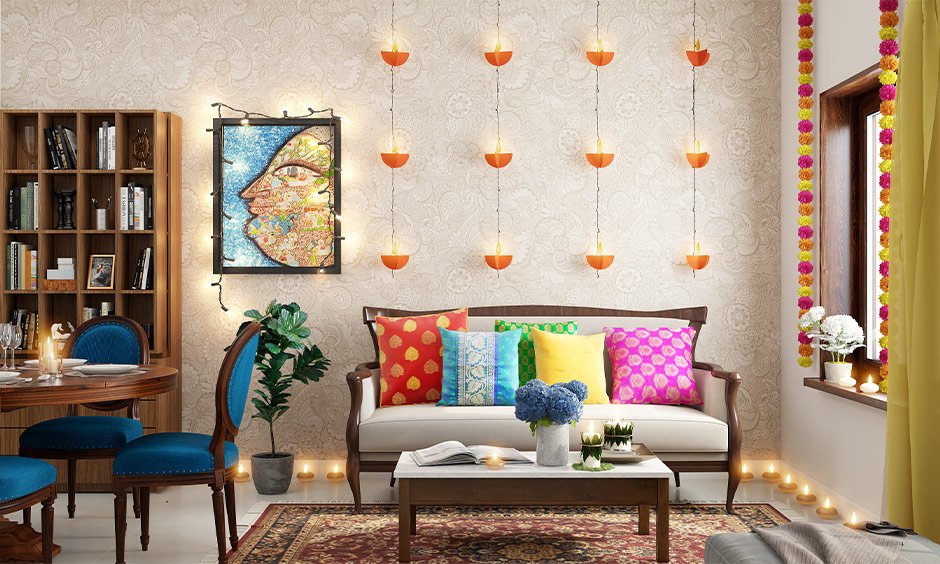
Improving your home doesn’t have to come with a hefty price tag. Whether you’ve just moved in or have been living in your home for years, there are countless ways to enhance the space you live in without breaking the bank. A well-executed DIY (do-it-yourself) project can breathe new life into your home, adding both style and functionality, all while keeping your budget intact. In this article, we’ll explore how you can improve your home with DIY projects, offering a mix of creative ideas and practical tips to help you achieve a fresh, updated look for your space.
1. Start with a Clear Vision and Prioritize
Before embarking on any DIY home improvement project, it’s essential to first establish a clear vision of what you want to achieve. This will help you maintain focus throughout the process and avoid unnecessary purchases. Start by identifying which areas of your home need the most attention and prioritize them based on their function and visual appeal.
For example, if your kitchen feels cramped and outdated, you might decide to begin with a simple cabinet refresh rather than tackling a full renovation. Alternatively, if your living room is uninspiring, a coat of fresh paint, new artwork, and some updated furniture might be all that’s needed. Prioritizing your projects ensures that your energy and budget are spent wisely, and it also helps to break the work down into smaller, more manageable tasks.
2. Paint: The Easiest and Most Budget-Friendly Update
When it comes to transforming a room on a budget, few things are as effective as a fresh coat of paint. Paint is one of the least expensive yet most impactful ways to refresh a space. Whether you opt for a neutral palette to create a calm, airy atmosphere or choose bold, vibrant colors to make a statement, paint can completely alter the mood of a room.
If you’re new to DIY painting, here’s a step-by-step guide to get you started:
-
Preparation is key: Ensure surfaces are clean and free of dust. If necessary, patch up holes or cracks with filler, then sand smooth before painting.
-
Invest in good quality tools: While it may be tempting to go for the cheapest option, investing in high-quality brushes and rollers will save you time and deliver a smoother, more professional finish.
-
Use painter’s tape: For clean lines and to avoid accidental splashes, use painter’s tape around trim, windows, and doors.
-
Opt for an accent wall: If you’re hesitant about painting an entire room a bold color, consider creating an accent wall that adds interest without overwhelming the space.
Painting is a low-cost, high-impact project that can instantly breathe new life into any room, whether it’s a kitchen, living room, or bedroom.
3. Revamp Your Furniture
Another simple yet effective DIY improvement involves updating your furniture. With a little creativity and elbow grease, you can turn tired, old pieces into stylish, functional additions to your home. Refinishing or repainting furniture is an easy way to give it a fresh new look while also saving money.
-
Chairs and Tables: Sand down wooden furniture to remove old paint or finish, then repaint or stain it to create a completely new look. If you’re feeling adventurous, consider adding a stencil or decorative pattern for a unique touch.
-
Cushions and Upholstery: If your sofa or armchair is looking worn, consider reupholstering it yourself. There are numerous online tutorials available that guide you through the process of re-covering cushions, and the fabric options are virtually limitless.
-
Thrift Store Finds: Don’t overlook second-hand furniture. A trip to a local thrift store can yield great finds, and with a little DIY TLC, these items can be transformed into modern and chic pieces. Sand, paint, or replace hardware to give old furniture a new lease on life.
Repurposing and updating your own furniture rather than buying new can save you a significant amount of money, all while allowing you to add a personal touch to your home decor.
4. Add Decorative Accents
Decorative accents are an excellent way to enhance the aesthetics of your home on a budget. Small, stylish changes can make a big difference in a room’s atmosphere. DIY decorative projects allow you to personalize your space while staying within budget.
-
Wall Art: Create your own art with inexpensive materials like canvas, paint, or even fabric. Abstract art, geometric patterns, and quote posters are easy to create and can reflect your personal style. Consider framing old family photos or pieces of fabric for a unique wall gallery.
-
Lighting Fixtures: Updating your lighting fixtures can dramatically improve the feel of a room. Instead of buying new lamps, try giving your current ones a makeover with spray paint or fabric covers. You can also create your own light fixtures using materials like mason jars, wooden boxes, or vintage objects.
-
Throw Pillows and Rugs: Refreshing a room’s seating area with new throw pillows or a cozy rug is a simple DIY that can completely alter the room’s aesthetic. Sewing your own pillows from fabric scraps or upcycling an old rug with paint are budget-friendly ways to bring personality to your space.
These small changes can make a room feel more inviting and visually interesting, all while being easy on the wallet.
5. Organize and Maximize Storage
One of the easiest ways to improve your home without spending much money is by improving organization and maximizing storage. Effective organization not only makes your home more functional, but it also helps create a tidier, more relaxing environment. Many DIY storage solutions are both easy to implement and inexpensive.
-
Shelves and Storage Bins: Installing floating shelves in rooms like the kitchen, bathroom, or living room is an excellent way to add storage space. You can even build your own shelves using simple wooden planks and brackets, which can be purchased cheaply at hardware stores.
-
Under-Bed Storage: Maximize the unused space under your bed by adding rolling storage bins. These are perfect for stashing extra linens, shoes, or seasonal clothing.
-
Repurpose Old Containers: Old jars, boxes, and baskets can be upcycled to serve as functional and decorative storage solutions. Painting or decorating them to match your home’s color scheme makes them both practical and visually appealing.
Organizing your home through DIY storage solutions can make even the smallest spaces feel more spacious and functional.
6. Garden and Outdoor Improvements
Don’t forget about the exterior of your home. Enhancing your outdoor space can significantly boost curb appeal and make your yard or garden a pleasant retreat. Many outdoor projects can be done on a budget, and they’re an excellent way to improve your home’s value.
-
Planting Flowers or Shrubs: A simple garden makeover doesn’t require a huge investment. Consider planting colorful flowers, shrubs, or herbs in your garden beds or window boxes. Not only does this enhance the aesthetic of your outdoor space, but it also adds a touch of life and freshness.
-
Build a Raised Garden Bed: If you want to grow your own vegetables or herbs, building a raised garden bed is a budget-friendly option. Many tutorials show you how to create a simple, DIY bed using inexpensive wood and soil.
-
Outdoor Furniture: Updating your outdoor furniture is another cost-effective project. Sand and repaint wooden outdoor chairs or tables, or use fabric to recover cushions and create new patio furniture.
Even simple garden improvements can add value and enjoyment to your home, making it feel more inviting and functional.
7. Do Your Research and Learn New Skills
One of the greatest benefits of DIY home improvement is the opportunity to learn new skills. There are endless resources available online, from instructional videos on YouTube to step-by-step guides on home improvement blogs. If you’re new to DIY, take the time to research techniques and tutorials that can help you achieve your desired results.
Learning new skills not only gives you the confidence to tackle future projects, but it also allows you to make more informed decisions about your home’s improvement.
Conclusion
Improving your home on a budget is all about being resourceful and thinking creatively. With a little time, effort, and ingenuity, you can transform almost any space without spending a fortune. From painting and furniture updates to DIY decor and smart organization, the possibilities for enhancing your home are endless. By carefully planning your projects, making the most of online resources, and using cost-effective materials, you can master the art of DIY home improvement and create a space that reflects your personality and lifestyle—without breaking the bank.
You May Also Like
Easy Weekend Home Improvemen ...
15 January 2026

How to Ensure Your Pool Meet ...
28 August 2025

Step-by-Step: Mastering Exte ...
05 April 2025


