
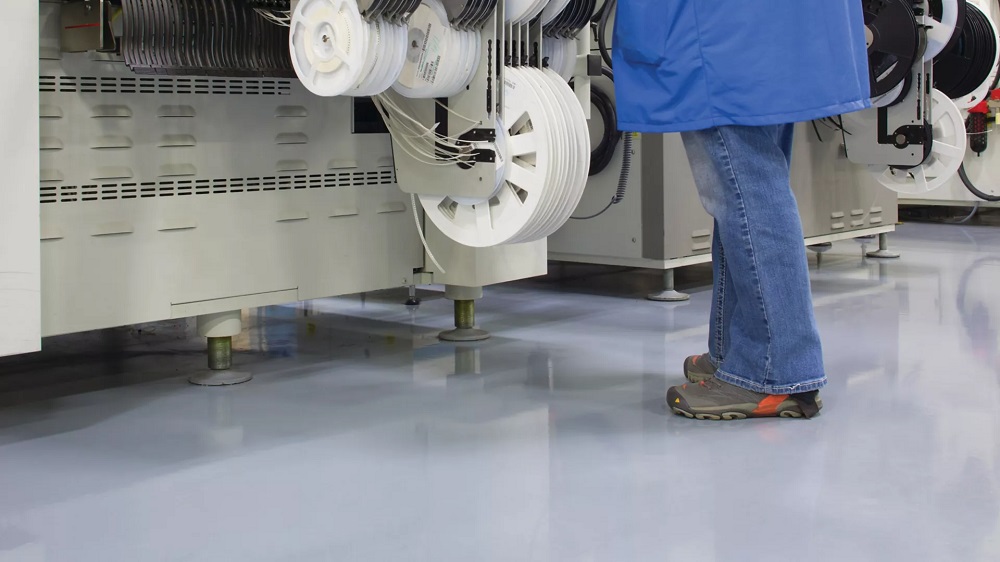
In highly controlled and technology-driven spaces, even minor electrical discharges can lead to costly damage, safety hazards, or operational downtime. Anti-static flooring plays a critical role in mitigating these risks by safely dissipating static electricity. From electronics manufacturing to healthcare and data centers, this specialized flooring solution is a foundational element of modern infrastructure design.
What Is Anti-Static Flooring?
Anti-static flooring, also known as ESD (Electrostatic Discharge) flooring, is engineered to reduce the buildup of static electricity and provide a controlled path for electrical charges to dissipate safely into the ground. Unlike standard flooring, it incorporates conductive or dissipative materials that actively manage electrical resistance.
This flooring does not eliminate static entirely. Instead, it controls the discharge rate, preventing sudden sparks that can damage sensitive equipment or ignite flammable substances.
Why Anti-Static Flooring Matters in Specialized Environments
Static electricity is more than an inconvenience in technical spaces. Its impact can be severe and far-reaching.
Key risks addressed by anti-static flooring include:
-
Damage to sensitive electronic components
-
Malfunction of precision instruments
-
Increased fire and explosion hazards
-
Data loss and system failures
-
Compromised safety for personnel
By maintaining controlled electrical resistance, anti-static flooring ensures operational reliability and compliance with safety standards.
Common Specialized Environments That Require Anti-Static Flooring
Electronics Manufacturing and Assembly
In environments where microchips and circuit boards are handled, even a small electrostatic discharge can render components useless. Anti-static flooring protects products during every stage of production.
Data Centers and Server Rooms
High-density electronic systems generate and attract static charges. Static-control flooring helps prevent unexpected shutdowns, hardware failures, and long-term equipment degradation.
Healthcare and Laboratories
Medical imaging equipment, diagnostic tools, and laboratory instruments rely on stable electrical conditions. Anti-static flooring supports both equipment accuracy and patient safety.
Pharmaceutical and Cleanroom Facilities
Cleanrooms demand strict environmental control. Anti-static flooring minimizes particle attraction caused by static while ensuring compliance with cleanliness and safety protocols.
Explosive or Hazardous Workspaces
Facilities handling flammable gases, chemicals, or powders require controlled static dissipation to reduce ignition risks.
Types of Anti-Static Flooring Solutions
Different environments demand different performance characteristics. Common anti-static flooring options include:
-
Vinyl Anti-Static Flooring
Durable, cost-effective, and widely used in healthcare and electronics facilities. -
Rubber ESD Flooring
Highly resilient with excellent static dissipation, ideal for heavy-duty industrial use. -
Epoxy-Based Anti-Static Flooring
Seamless, chemical-resistant, and suitable for cleanrooms and laboratories. -
Carpet Tiles with Static Control
Designed for offices and data centers where comfort and static management must coexist.
Each type varies in electrical resistance, installation method, and maintenance requirements.
Key Performance Characteristics to Consider
When selecting anti-static flooring, technical specifications matter more than aesthetics.
Important factors include:
-
Electrical resistance range (conductive vs. dissipative)
-
Compatibility with grounding systems
-
Load-bearing capacity
-
Chemical and moisture resistance
-
Ease of cleaning and maintenance
-
Compliance with industry standards
Choosing the wrong resistance level can be as problematic as having no static control at all.
Installation and Grounding Requirements
Anti-static flooring systems rely on proper installation to perform effectively. This typically involves:
-
Conductive adhesives or underlays
-
Copper grounding strips or grids
-
Connection to a verified electrical ground
Improper grounding can negate the flooring’s static-control properties, making professional installation essential for specialized environments.
Maintenance and Longevity
Well-maintained anti-static flooring can last many years without performance degradation. Routine care includes:
-
Using approved, non-residue cleaning agents
-
Avoiding waxes or polishes that increase surface resistance
-
Periodic resistance testing to ensure continued compliance
Consistent maintenance preserves both electrical performance and physical durability.
Benefits Beyond Static Control
While static dissipation is the primary purpose, anti-static flooring offers additional advantages:
-
Improved workplace safety
-
Reduced equipment maintenance costs
-
Enhanced compliance with regulatory requirements
-
Long-term operational reliability
-
Professional, purpose-built appearance
These benefits make it a strategic investment rather than a simple flooring upgrade.
FAQs About Anti-Static Flooring
What is the difference between anti-static and conductive flooring?
Anti-static flooring dissipates static slowly and safely, while conductive flooring allows electricity to flow rapidly. The choice depends on the sensitivity of the environment and equipment.
Is anti-static flooring mandatory in all data centers?
Not always, but it is strongly recommended to protect servers and networking equipment from electrostatic damage.
Can anti-static flooring be installed over existing floors?
In many cases, yes. However, substrate condition and grounding requirements must be evaluated first.
How long does anti-static flooring last?
With proper installation and maintenance, most systems last 10–20 years depending on traffic and environmental conditions.
Does anti-static flooring require special footwear?
Some environments require ESD-safe footwear to complement the flooring and ensure full static control.
Can anti-static flooring lose effectiveness over time?
Yes, improper cleaning, wear, or grounding issues can reduce performance, which is why periodic testing is important.
Is anti-static flooring suitable for office environments?
Yes, especially in offices with sensitive electronics or data processing equipment, provided the flooring type matches the use case.
You May Also Like
Basement Flooring Solutions ...
13 December 2025

Bamboo Flooring: Strength, S ...
04 September 2025

Top Tips for Maintaining Bea ...
20 August 2025


