
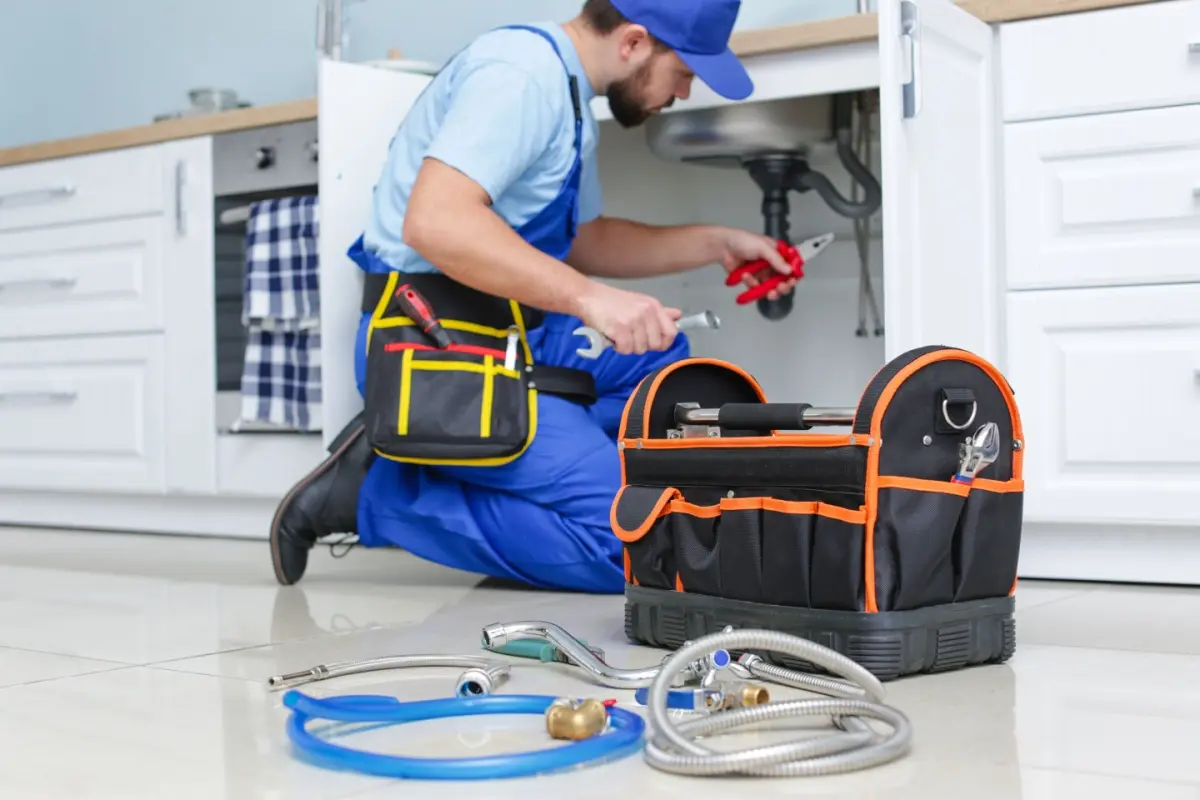
Plumbing systems are essential to modern living, yet they are often taken for granted until something goes wrong. From clean water delivery to safe wastewater disposal, these systems must function reliably every day. Hiring licensed plumbing professionals is not just a matter of convenience—it is a decision that protects your property, finances, and personal safety.
What Does It Mean to Be a Licensed Plumber?
A licensed plumber has met strict requirements set by regulatory authorities. These typically include formal education, hands-on apprenticeships, and passing standardized examinations. Licensing confirms that the plumber understands building codes, safety standards, and best practices.
Key qualifications of licensed plumbers include:
-
Verified technical training and experience
-
Knowledge of local and national plumbing codes
-
Authorization to perform regulated plumbing work
Ensuring Safety and Health Standards
Plumbing mistakes can lead to serious hazards such as contaminated water, gas leaks, or structural damage. Licensed professionals are trained to minimize these risks by following established safety protocols.
Why safety matters:
-
Prevents water contamination and backflow issues
-
Reduces risks of mold growth and hidden leaks
-
Ensures gas and water lines are installed correctly
Compliance With Building Codes and Regulations
Building codes exist to protect homeowners and occupants. Licensed plumbers stay up to date with code changes and ensure every installation or repair meets legal requirements. Non-compliant work can result in fines, failed inspections, or costly rework.
Licensed plumbers help you:
-
Pass inspections without delays
-
Avoid legal complications during renovations or sales
-
Maintain long-term system reliability
Quality Workmanship and Long-Term Value
Professional licensing reflects a commitment to quality. Licensed plumbers are accountable for their work and are more likely to stand behind their services.
Benefits of quality workmanship include:
-
Durable repairs that reduce repeat issues
-
Proper diagnosis instead of temporary fixes
-
Increased lifespan of plumbing systems
Cost Efficiency Over Time
While unlicensed services may appear cheaper upfront, they often lead to hidden expenses. Incorrect installations or shortcuts can cause water damage, higher utility bills, and frequent repairs.
Licensed professionals help save money by:
-
Doing the job right the first time
-
Preventing costly emergency repairs
-
Improving system efficiency and performance
Insurance, Liability, and Peace of Mind
Licensed plumbers typically carry insurance and bonding. This protects homeowners if accidents, injuries, or property damage occur during the job.
This protection means:
-
Reduced liability for homeowners
-
Financial coverage for unexpected issues
-
Greater confidence in the service provided
Supporting Professional Standards and the Industry
Choosing licensed professionals supports ethical practices and skilled trades. It encourages ongoing education, accountability, and higher service standards across the industry.
Your choice contributes to:
-
Fair competition and consumer protection
-
Skilled workforce development
-
Higher overall service quality
Frequently Asked Questions
1. How can I verify if a plumber is properly licensed?
You can usually check licensing status through local regulatory authorities or official government databases.
2. Are licensed plumbers required for small repairs?
Requirements vary by location, but even minor repairs benefit from professional expertise and code compliance.
3. Do licensed plumbers charge more than unlicensed ones?
Their rates may be higher initially, but they often save money long-term through reliable, lasting work.
4. What risks come with hiring an unlicensed plumber?
Risks include poor workmanship, safety hazards, code violations, and lack of insurance coverage.
5. Are licensed plumbers insured by default?
Most licensed professionals carry insurance, but it’s always wise to confirm coverage before hiring.
6. Can licensed plumbers help with energy-efficient upgrades?
Yes, they can recommend and install efficient fixtures that reduce water usage and utility costs.
7. Is licensing required for commercial plumbing projects?
Commercial projects almost always require licensed professionals due to stricter codes and safety standards.
You May Also Like
Emergency Plumbing Situation ...
25 February 2026

Behind the Scenes of a Plumb ...
24 November 2025

How to Improve Your Home wit ...
03 April 2025


